


















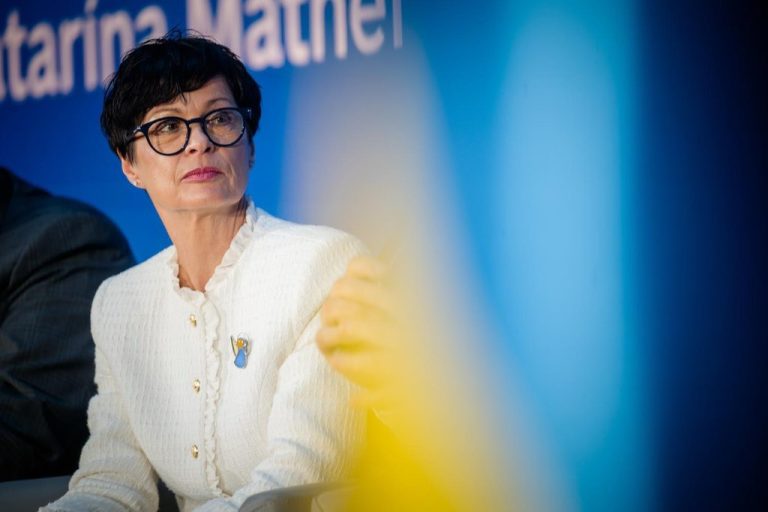
Follow EPIK
in the media
Get exclusive access to EPIK’s in-depth analysis, policy insights, and expert commentary.
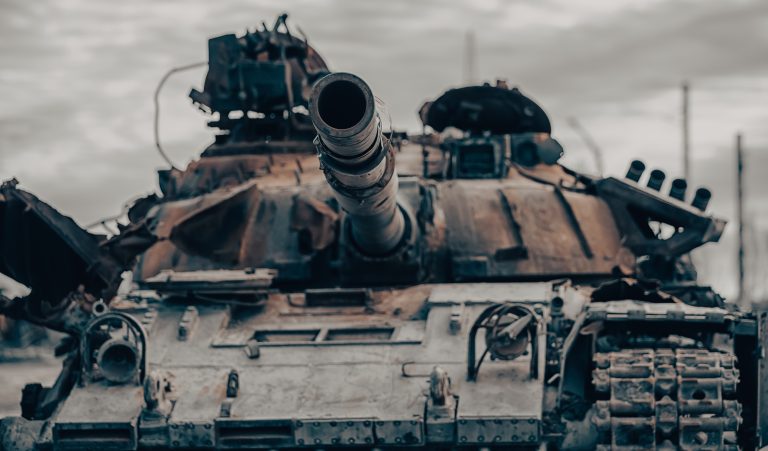

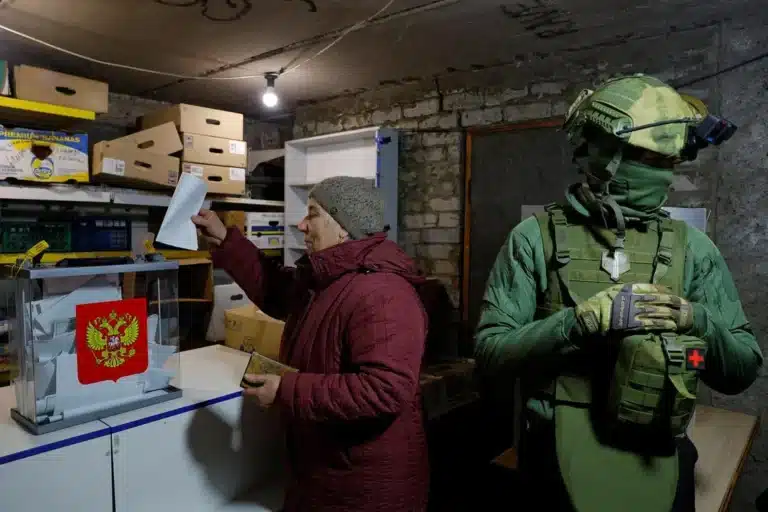
Russia’s battlefield strategy in Ukraine has plateaued and, if nothing radically changes, Russia cannot expect any significant progress on the battlefield in 2026.

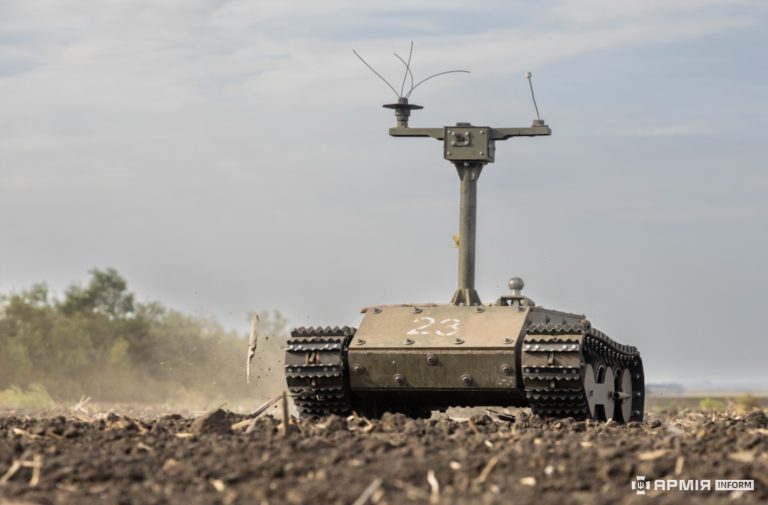
Ukraine has systematically removed humans from roles that don’t require human judgment, letting machines absorb the danger soldiers would otherwise face. What UGVs can and can’t do, and what lessons European institutions can draw from Ukraine’s experience.

A ceasefire is nowhere in sight. Putin sees no interest in ending his war. Even so, the EU should start preparing for the many post-war challenges Ukraine will face.



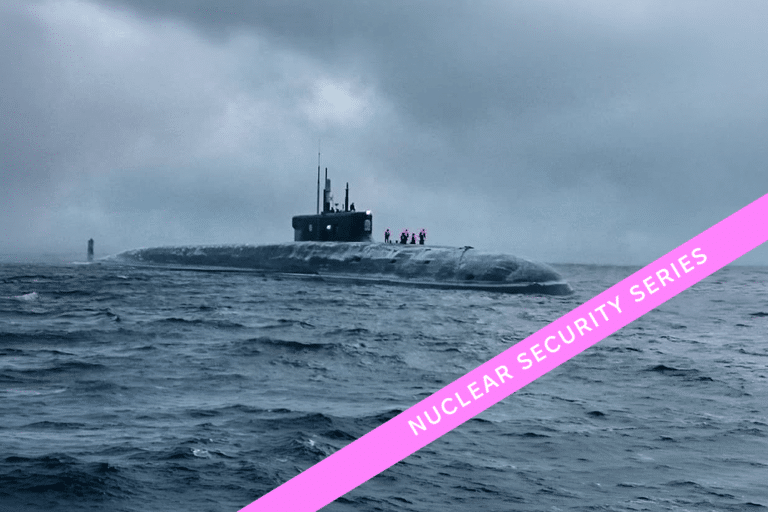
As Ukraine’s deep strikes hit Russia’s economy and military rear, how will Moscow retaliate?
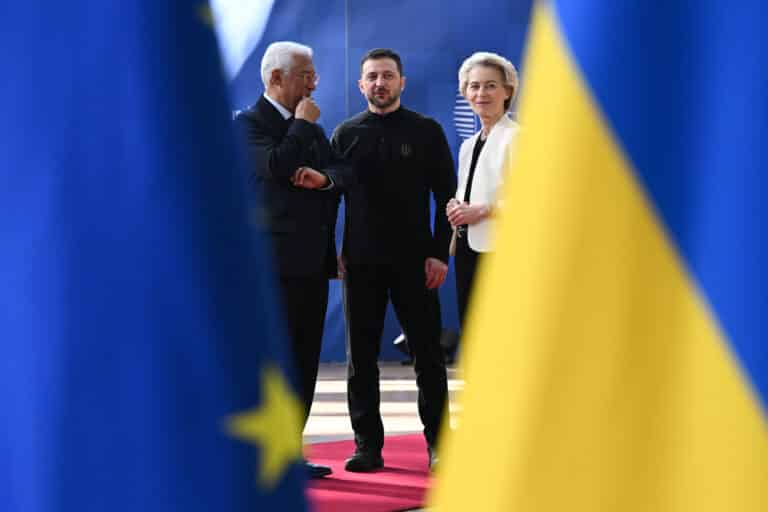
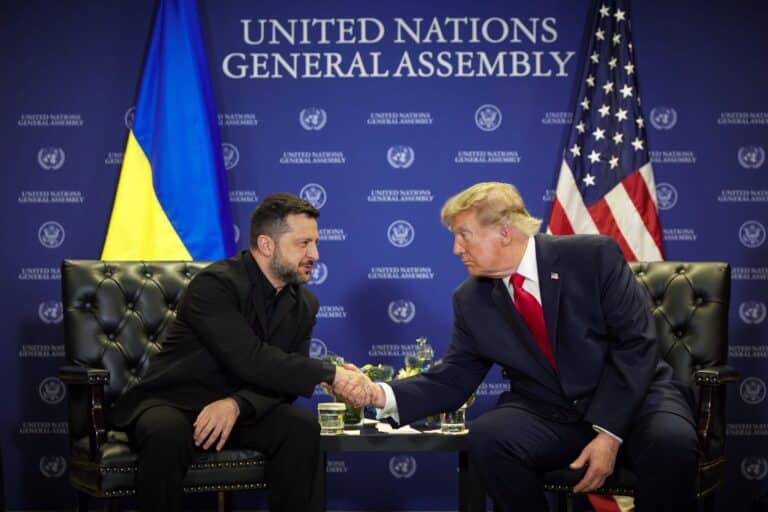
Four scenarios for Ukraine’s future after 2027: from continued war to a lasting peace deal, and what role the EU must play in each
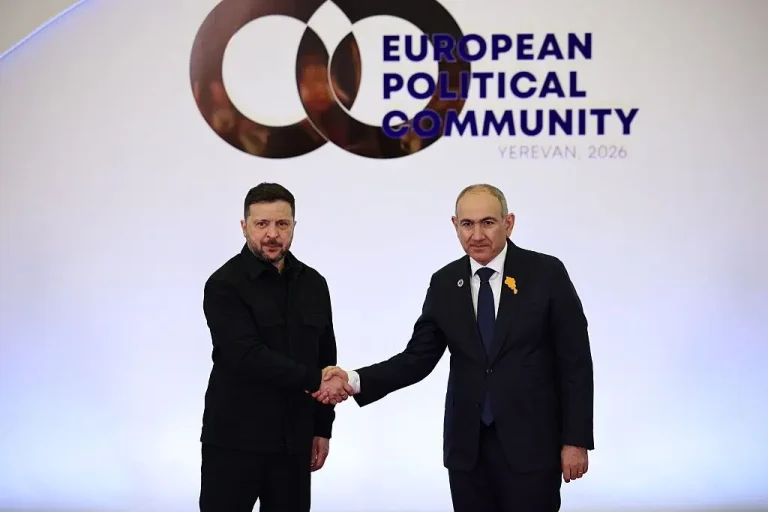
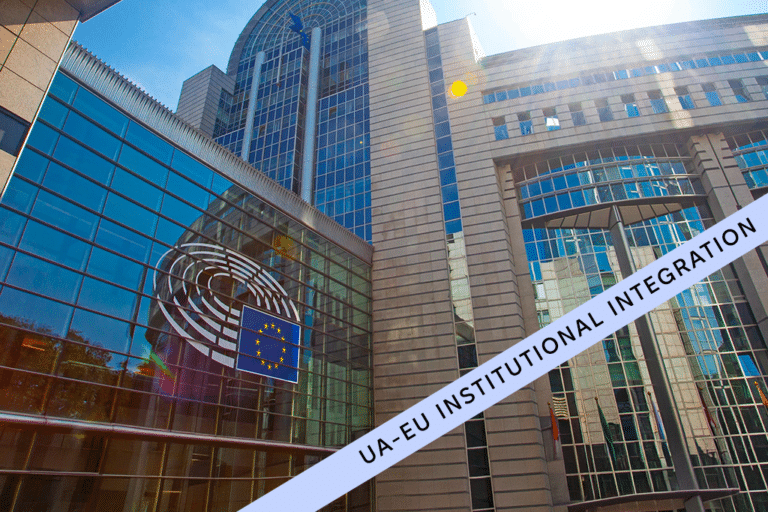
Once strategically indifferent to each other, Yerevan and Kyiv are now converging around shared goals: reducing dependence on Russia, deepening EU integration, and building resilience.
Ukraine has systematically removed humans from roles that don’t require human judgment, letting machines absorb the danger soldiers would otherwise face. What UGVs can and can’t do, and what lessons European institutions can draw from Ukraine’s experience.
No publications match your filters. Try adjusting your selection.
Get exclusive access to EPIK’s in-depth analysis, policy insights, and expert commentary.

You will now receive EPIK’s latest analysis, publications, event invitations, and other updates directly in your inbox.
You will now receive EPIK’s latest analysis, publications, event invitations, and other updates directly in your inbox.
Go Home Page
The form has been successfully submitted. We value your time, so please expect a call or email from our manager shortly.
Go Home Page
You will now receive EPIK’s latest analysis, publications, event invitations, and other updates directly in your inbox.
You will now receive EPIK’s latest analysis, publications, event invitations, and other updates directly in your inbox.
You will now receive EPIK’s latest analysis, publications, and event updates directly in your email.
Go Home Page
You will now receive EPIK’s latest analysis, publications, event invitations, and other updates directly in your inbox.
You will now receive EPIK’s latest analysis, publications, event invitations, and other updates directly in your inbox.
Go Home Page
The form has been successfully submitted. We value your time, so please expect a call or email from our manager shortly.
Go Home Page
You will now receive EPIK’s latest analysis, publications, event invitations, and other updates directly in your inbox.
You will now receive EPIK’s latest analysis, publications, event invitations, and other updates directly in your inbox.
You will now receive EPIK’s latest analysis, publications, and event updates directly in your email.
Go Home Page