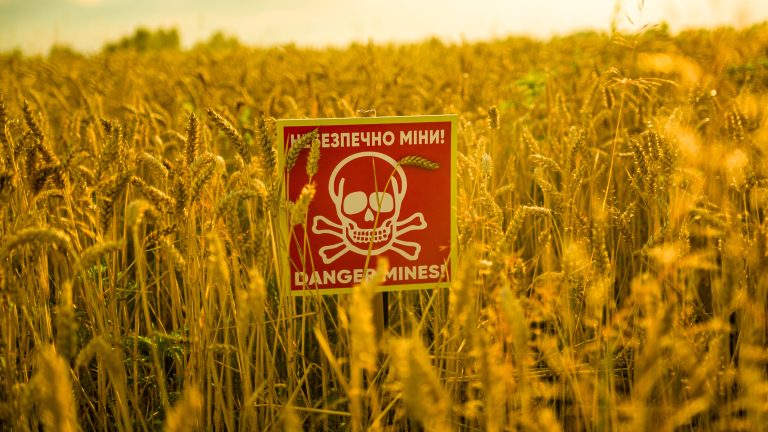

The day after: Six post-war challenges for Ukraine
A ceasefire is nowhere in sight. Putin sees no interest in ending his war. Even so, the EU should start preparing for the many post-war challenges Ukraine will face.


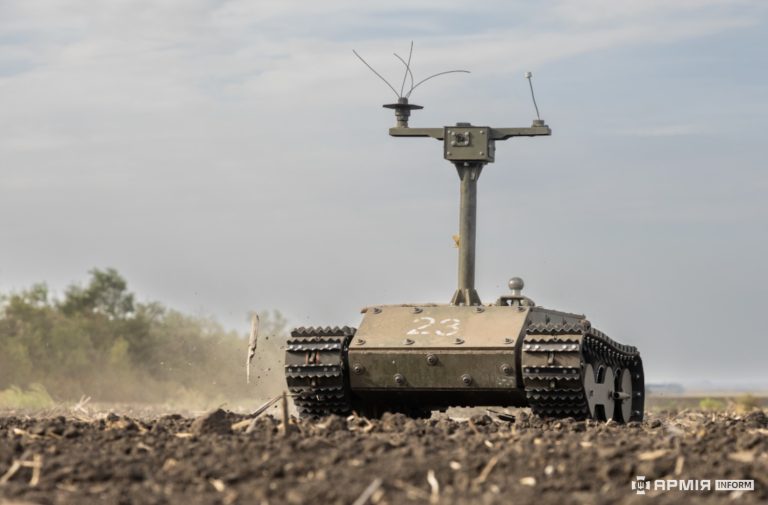
Robots take the risk: Ukraine’s UGV ecosystem and what Europe should learn from it
Ukraine has systematically removed humans from roles that don’t require human judgment, letting machines absorb the danger soldiers would otherwise face. What UGVs can and can’t do, and what lessons European institutions can draw from Ukraine’s experience.


Membership First or Accession Treaty First? How to revive EU enlargement
The European Union’s accession promise loses credibility if it continues to keep the most significant benefits of accession until the end of the process. Its two political options for bringing membership forward – Membership First and Accession Treaty First – must both pass the same four tests.










Balazs Jarabik
Balazs Jarabik is a political analyst and researcher specialising in Ukraine, Central and Eastern Europe, and European security. A native of Slovakia, he has worked on international development and policy initiatives across Eastern Europe since 1999. He is the founder of Minority Report, a political risk consultancy and a partner at R.Politik (authoring Essential Ukraine).
Previously, he headed the Political, Analysis and Coordination Department at the EU Advisory Mission in Ukraine (2019–2022), directed USAID’s Central Europe Rule of Law Initiative (2023–2025), and served as a scholar at the Carnegie Endowment for International Peace. He has also held research positions at FRIDE in Madrid and the Institute for Human Sciences (IWM) in Vienna. His work bridges high level political analysis, in-depth field research, and direct engagement with policymakers across the region.
During his EPIK fellowship, he examines how Russia’s war against Ukraine is reshaping Central Europe’s political geography, regional relationships, and role in European security. His research focuses on Ukraine’s relations with Hungary and Slovakia, exploring the political, economic, and societal dimensions of European integration, cross-border connectivity, and regional cooperation.
Areas of interest: Ukraine–Central Europe relations and European integration; Ukrainian politics, governance, and societal transformation; European security, Russia, and Europe’s eastern frontier; Cross-border connectivity, minority relations, and regional cooperation; Diplomacy, conflict resolution, and political transitions.
Languages: Hungarian (native), Slovak, English, Russian (fluent); Ukrainian (working proficiency).

Thank you!
You will now receive EPIK’s latest analysis, publications, event invitations, and other updates directly in your inbox.
Thank you!
You will now receive EPIK’s latest analysis, publications, event invitations, and other updates directly in your inbox.
Go Home Page
Thank you!
The form has been successfully submitted. We value your time, so please expect a call or email from our manager shortly.
Go Home Page
Thank you!
You will now receive EPIK’s latest analysis, publications, event invitations, and other updates directly in your inbox.
Thank you!
You will now receive EPIK’s latest analysis, publications, event invitations, and other updates directly in your inbox.
Thank you for subscribing
You will now receive EPIK’s latest analysis, publications, and event updates directly in your email.
Go Home Page