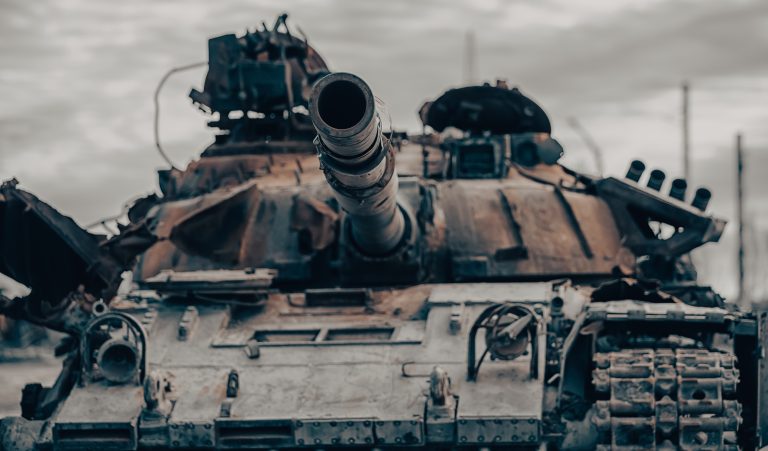

The plateauing of Russia’s military strategy in Ukraine
Russia’s battlefield strategy in Ukraine has plateaued and, if nothing radically changes, Russia cannot expect any significant progress on the battlefield in 2026.
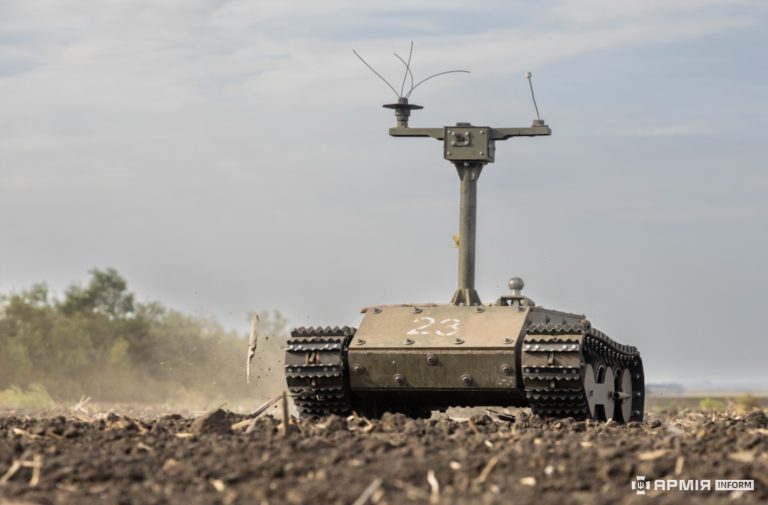
Robots take the risk: Ukraine’s UGV ecosystem and what Europe should learn from it
Ukraine has systematically removed humans from roles that don’t require human judgment, letting machines absorb the danger soldiers would otherwise face. What UGVs can and can’t do, and what lessons European institutions can draw from Ukraine’s experience.

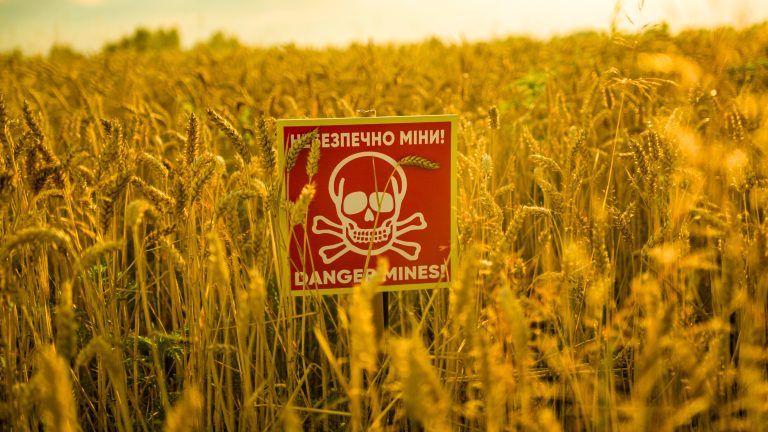
The day after: Six post-war challenges for Ukraine
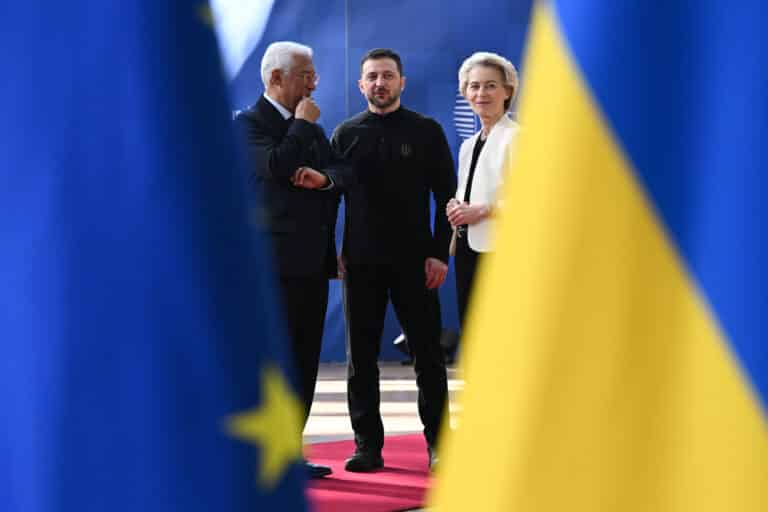
A ceasefire is nowhere in sight. Putin sees no interest in ending his war. Even so, the EU should start preparing for the many post-war challenges Ukraine will face.
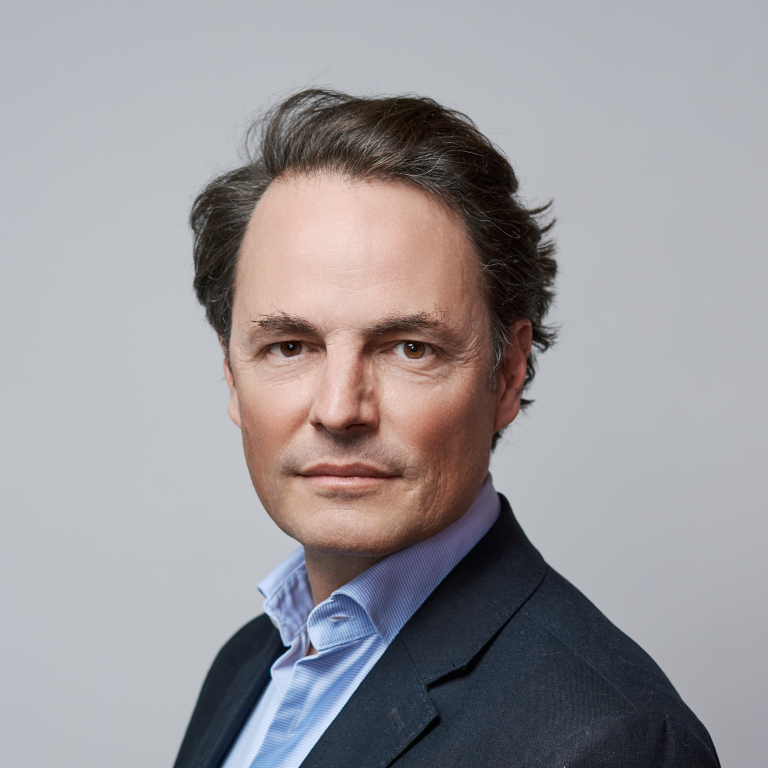

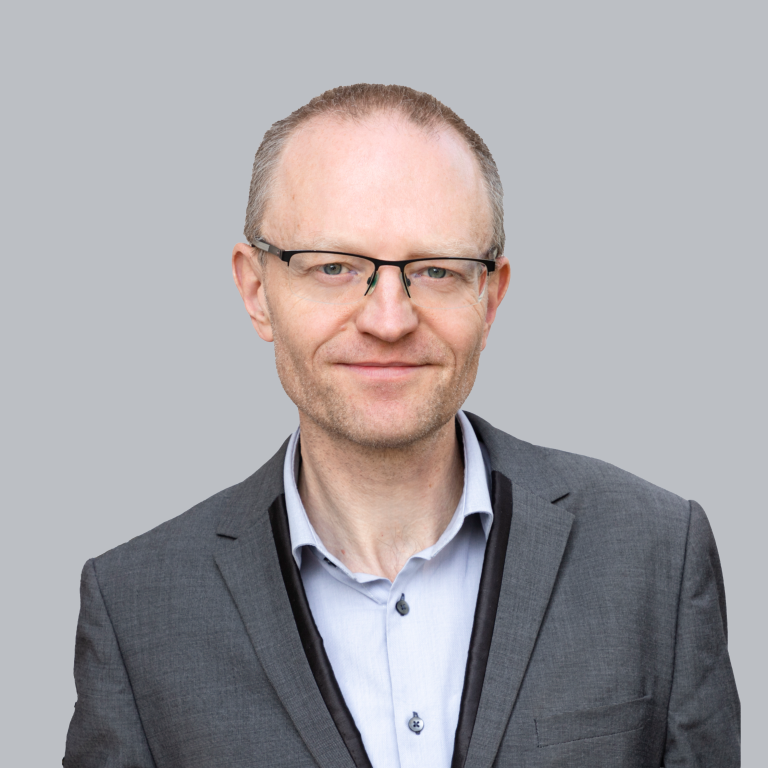
Fredrik Wesslau
Fredrik Wesslau was the founding director of EPIK 2025-2026. In this role, he led the establishment of the institute, oversaw its build-up, initial strategic development, partnerships, and policy engagement in Ukraine at a pivotal moment for European security.
Fredrik is a Distinguished Policy Fellow at the Stockholm Centre for Eastern European Studies (SCEEUS), a senior adviser to Rasmussen Global, and a senior adviser to The Reckoning Project. Across these roles, he provides strategic analysis and policy advice on Russia’s war against Ukraine, European security, governance reform, and post-conflict recovery.
Fredrik has more than 25 years of experience working on international crises and armed conflicts. He has served with the UN, EU, and OSCE, with field assignments in Kosovo, the South Caucasus, and Sudan and South Sudan. He also contributed to international counter-piracy efforts off the Horn of Africa. Until early 2023, he was based in Kyiv as Deputy Head of the EU Advisory Mission in Ukraine, supporting reforms in the civilian security sector.
Earlier, he served as Director of the Wider Europe Programme at the European Council on Foreign Relations (ECFR) and worked for the International Herald Tribune. He has written for Foreign Policy, Politico, The New York Times, Newsweek, Kyiv Post, Dagens Industri, and Svenska Dagbladet, as well as appeared on BBC, France 24, SVT, and TV4.
He holds master’s degrees from Columbia University and Sciences Po Paris, and an undergraduate degree from the London School of Economics.
Areas of expertise: conflict diplomacy, crisis management, European security, EU diplomacy.
Languages: English, Swedish, French

Thank you!
You will now receive EPIK’s latest analysis, publications, event invitations, and other updates directly in your inbox.
Thank you!
You will now receive EPIK’s latest analysis, publications, event invitations, and other updates directly in your inbox.
Go Home Page
Thank you!
The form has been successfully submitted. We value your time, so please expect a call or email from our manager shortly.
Go Home Page
Thank you!
You will now receive EPIK’s latest analysis, publications, event invitations, and other updates directly in your inbox.
Thank you!
You will now receive EPIK’s latest analysis, publications, event invitations, and other updates directly in your inbox.
Thank you for subscribing
You will now receive EPIK’s latest analysis, publications, and event updates directly in your email.
Go Home Page