













Follow EPIK
in the media
Get exclusive access to EPIK’s in-depth analysis, policy insights, and expert commentary.
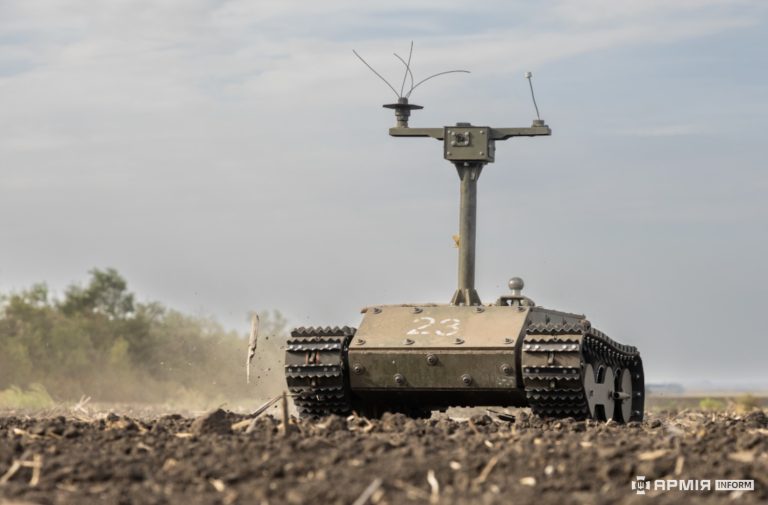

Ukraine has systematically removed humans from roles that don’t require human judgment, letting machines absorb the danger soldiers would otherwise face. What UGVs can and can’t do, and what lessons European institutions can draw from Ukraine’s experience.

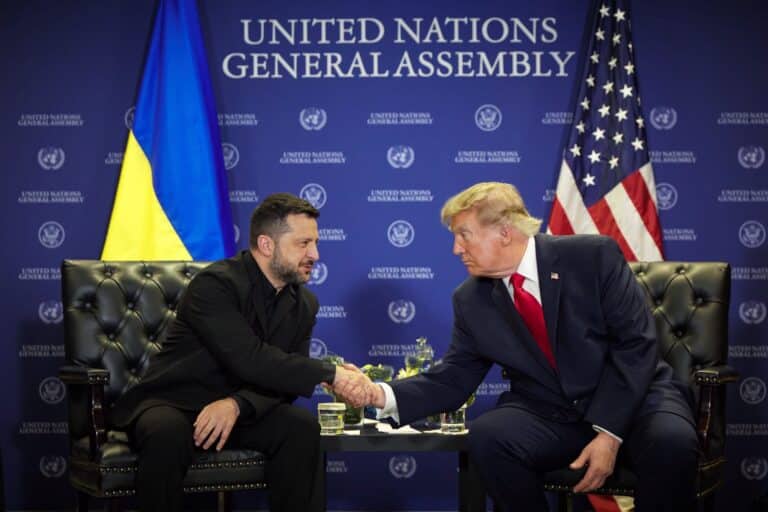
The earthquake in American politics is probably good news for Ukraine. President Trump’s ambition for normalisation with – and appeasement of – Russia now faces serious obstacles. The reassumption of unambiguous support for Kyiv, though, is still subject to US political infighting.
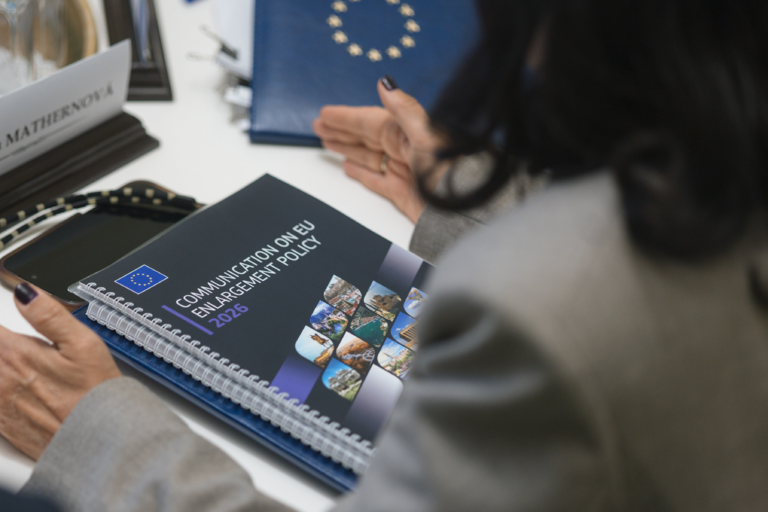
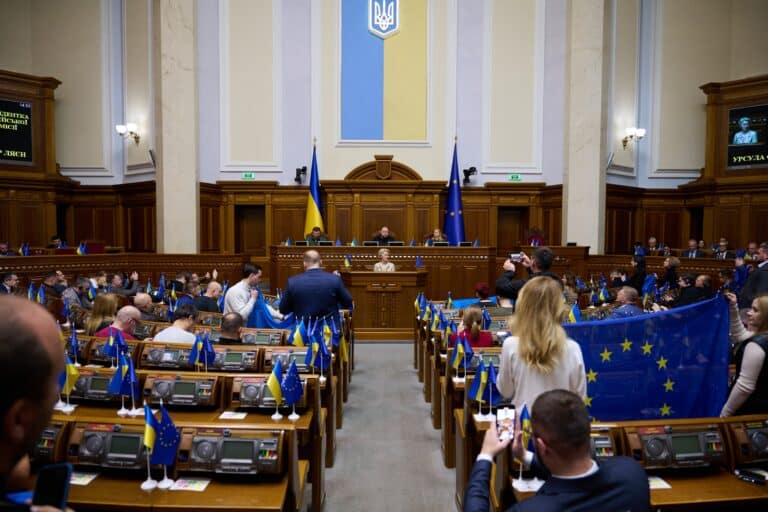
Ukraine is an EU membership frontrunner mainly because of its unique geopolitical status. The reality is that there is a substantial gap between this status and its performance in meeting the requirements for entry.
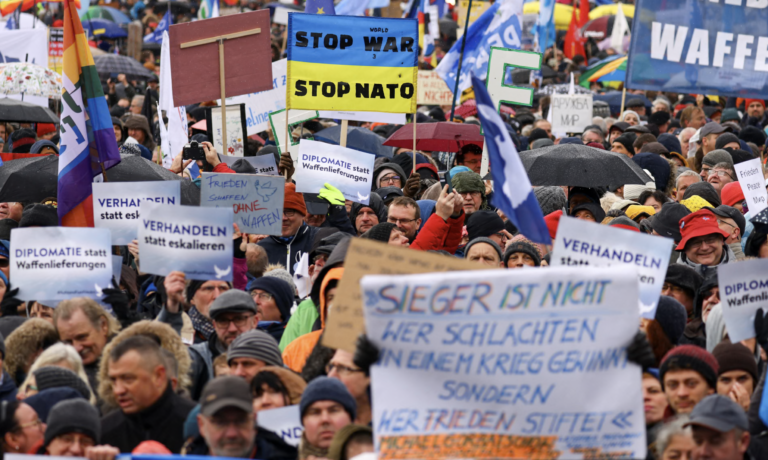
The crimes of the SS and Wehrmacht against millions of Ukrainians in 1941–44 mean that Germany has a special obligation to Ukraine. This makes the pseudo-pacifist arguments of some German politicians and intellectuals for reducing or ending support for Ukraine’s self-defence particularly abhorrent.
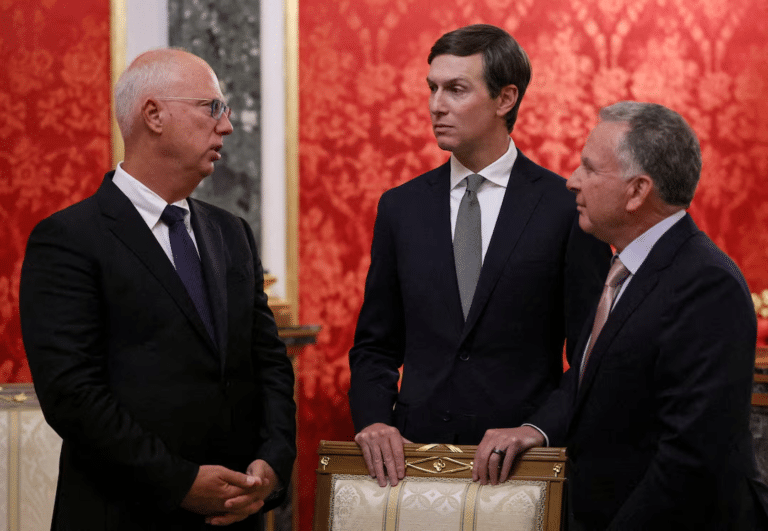
While Kyiv might be content with renewed transit of Russian gas to the European Union through Ukrainian pipelines as part of a ceasefire deal, Moscow is unlikely to trade its war aims for such an outcome.
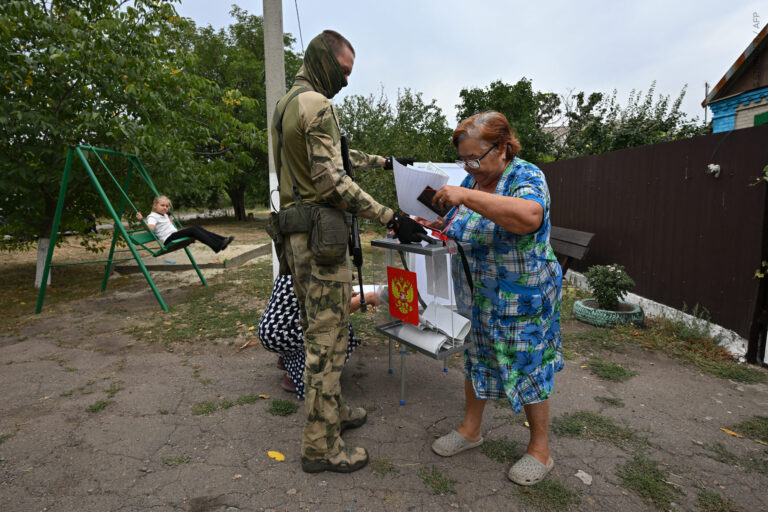
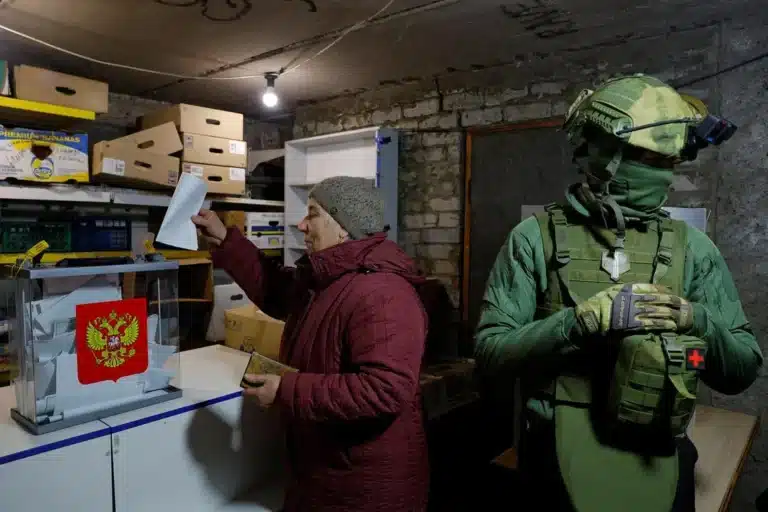
The sham voting in Ukraine’s occupied territories last month is further proof, if any were needed, that Russia still has no intention of good faith negotiations, much less backing down.

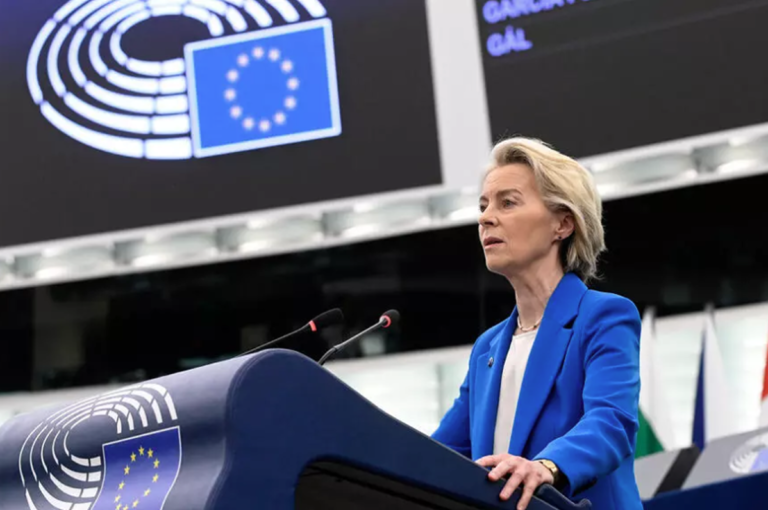
In June 2022 the EU acknowledged that enlargement would require preparation on its own side. The Commission’s first systemic answer is solid, but still unfinished in places. One issue in particular is conspicuous by its absence: reconstruction.
No publications match your filters. Try adjusting your selection.
Get exclusive access to EPIK’s in-depth analysis, policy insights, and expert commentary.

You will now receive EPIK’s latest analysis, publications, event invitations, and other updates directly in your inbox.
You will now receive EPIK’s latest analysis, publications, event invitations, and other updates directly in your inbox.
Go Home Page
The form has been successfully submitted. We value your time, so please expect a call or email from our manager shortly.
Go Home Page
You will now receive EPIK’s latest analysis, publications, event invitations, and other updates directly in your inbox.
You will now receive EPIK’s latest analysis, publications, event invitations, and other updates directly in your inbox.
You will now receive EPIK’s latest analysis, publications, and event updates directly in your email.
Go Home Page
You will now receive EPIK’s latest analysis, publications, event invitations, and other updates directly in your inbox.
You will now receive EPIK’s latest analysis, publications, event invitations, and other updates directly in your inbox.
Go Home Page
The form has been successfully submitted. We value your time, so please expect a call or email from our manager shortly.
Go Home Page
You will now receive EPIK’s latest analysis, publications, event invitations, and other updates directly in your inbox.
You will now receive EPIK’s latest analysis, publications, event invitations, and other updates directly in your inbox.
You will now receive EPIK’s latest analysis, publications, and event updates directly in your email.
Go Home Page
After the Fall: How US policy on Ukraine may change after the Midterms
The earthquake in American politics is probably good news for Ukraine. President Trump’s ambition for normalisation with – and appeasement of – Russia now faces serious obstacles. The reassumption of unambiguous support for Kyiv, though, is still subject to US political infighting.
A frontrunner by virtue of trust: what the EU’s 2026 report tells Kyiv
Ukraine is an EU membership frontrunner mainly because of its unique geopolitical status. The reality is that there is a substantial gap between this status and its performance in meeting the requirements for entry.
Germany’s exceptional responsibility for Ukraine
The crimes of the SS and Wehrmacht against millions of Ukrainians in 1941–44 mean that Germany has a special obligation to Ukraine. This makes the pseudo-pacifist arguments of some German politicians and intellectuals for reducing or ending support for Ukraine’s self-defence particularly abhorrent.
Peace plan or pipe dream? Washington’s gas gambit misreads the Kremlin
While Kyiv might be content with renewed transit of Russian gas to the European Union through Ukrainian pipelines as part of a ceasefire deal, Moscow is unlikely to trade its war aims for such an outcome.
Russia’s occupation strategy: reinforcing maximalism
The sham voting in Ukraine’s occupied territories last month is further proof, if any were needed, that Russia still has no intention of good faith negotiations, much less backing down.
The EU’s preparations for a wider Union: reflections from Kyiv
In June 2022 the EU acknowledged that enlargement would require preparation on its own side. The Commission’s first systemic answer is solid, but still unfinished in places. One issue in particular is conspicuous by its absence: reconstruction.
Not empty-handed, but without illusions: what UNGA brings Ukraine
Not even a sham: How Moscow manufactures an electorate in occupied Ukraine
Could nuclear Russia lose its war in Ukraine?