Categories
Trending Searches
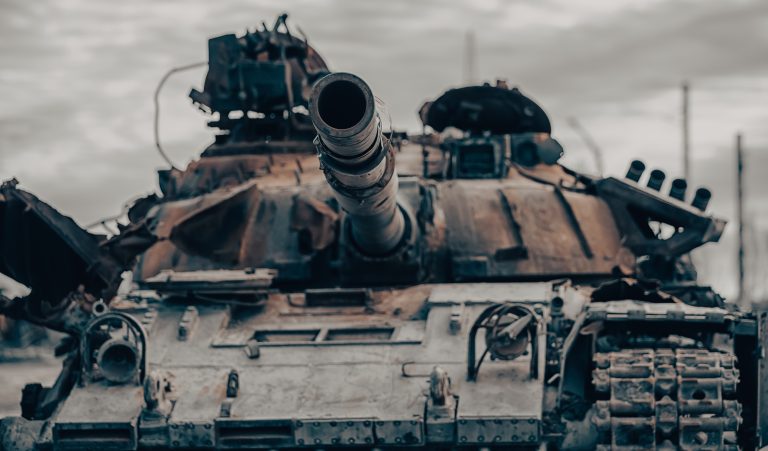

The plateauing of Russia’s military strategy in Ukraine
Russia’s battlefield strategy in Ukraine has plateaued and, if nothing radically changes, Russia cannot expect any significant progress on the battlefield in 2026.
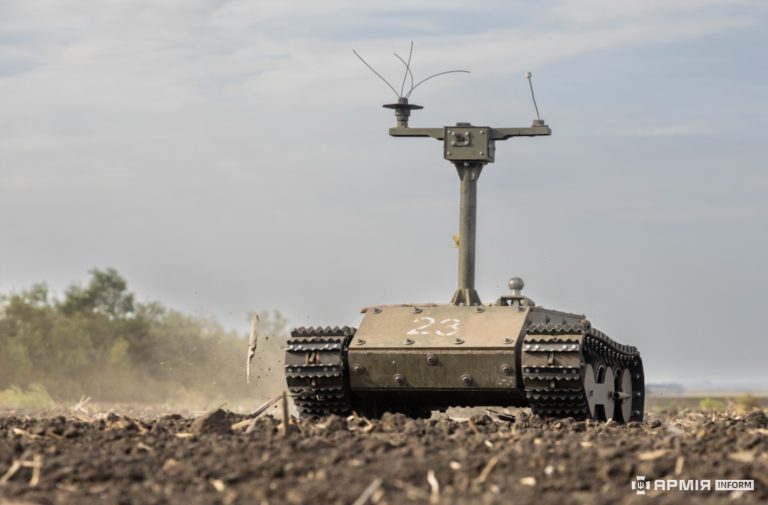
Robots take the risk: Ukraine’s UGV ecosystem and what Europe should learn from it
Ukraine has systematically removed humans from roles that don’t require human judgment, letting machines absorb the danger soldiers would otherwise face. What UGVs can and can’t do, and what lessons European institutions can draw from Ukraine’s experience.

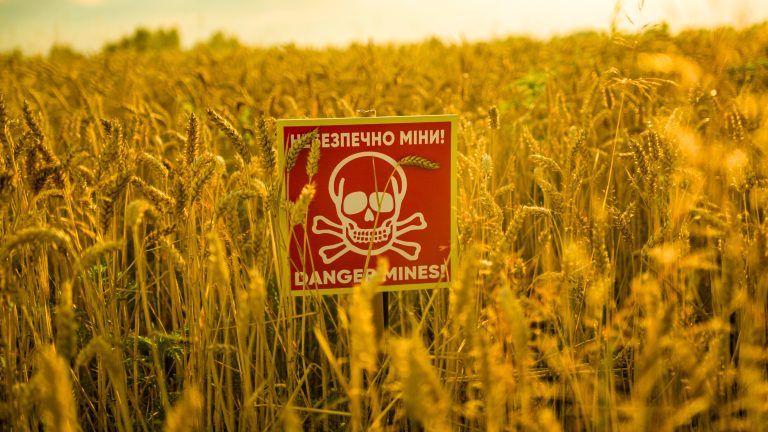
The day after: Six post-war challenges for Ukraine
A ceasefire is nowhere in sight. Putin sees no interest in ending his war. Even so, the EU should start preparing for the many post-war challenges Ukraine will face.
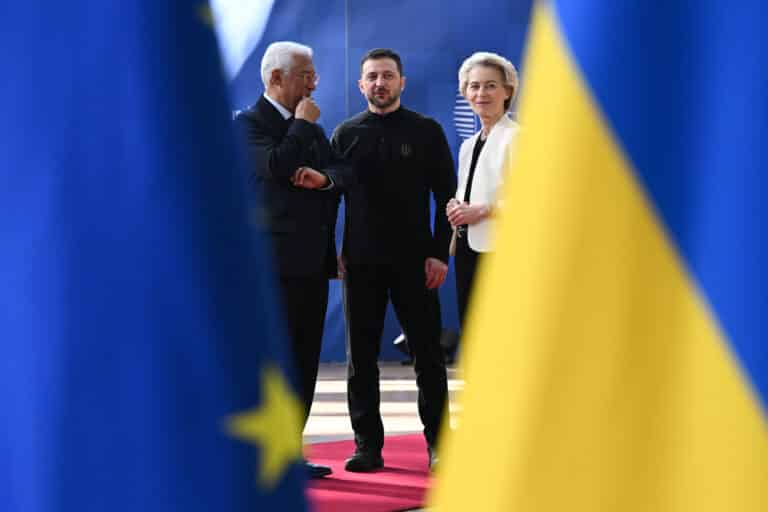
Team members

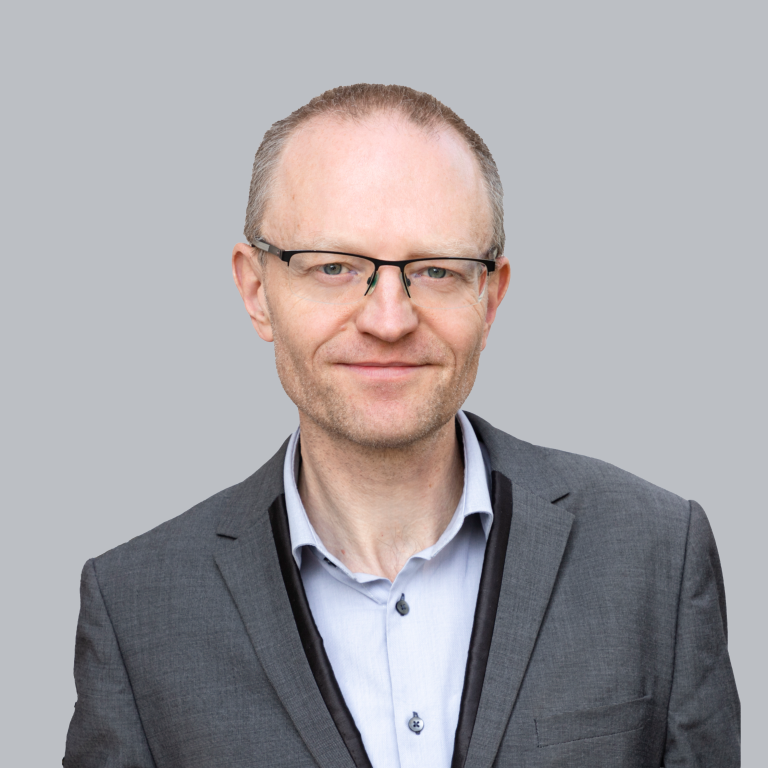
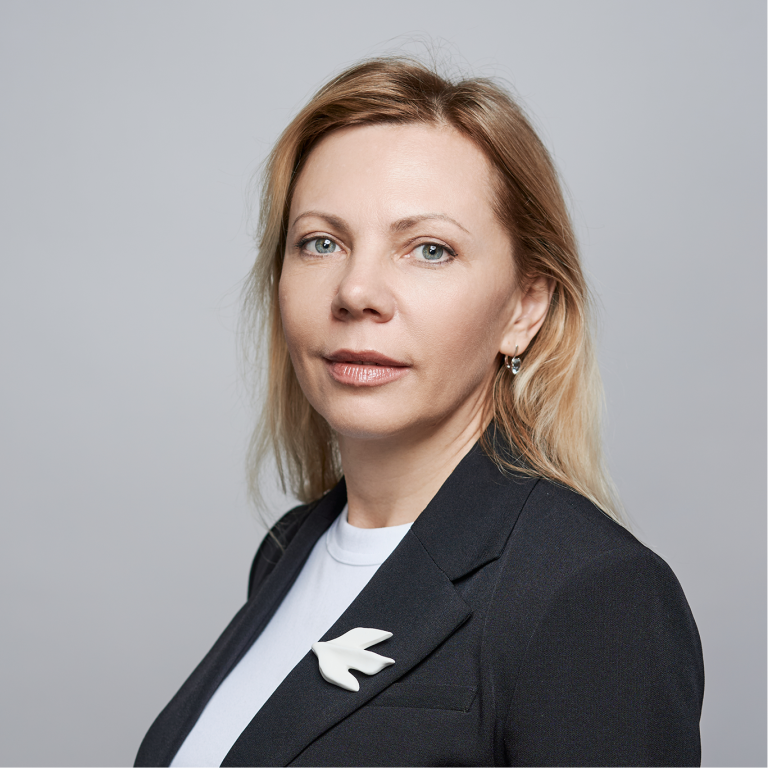
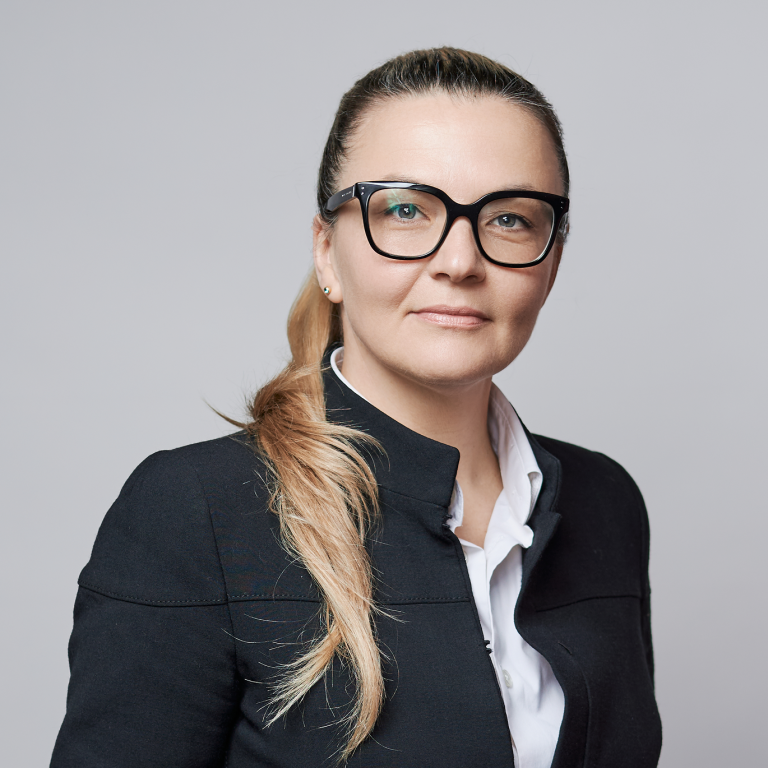
No Results Found
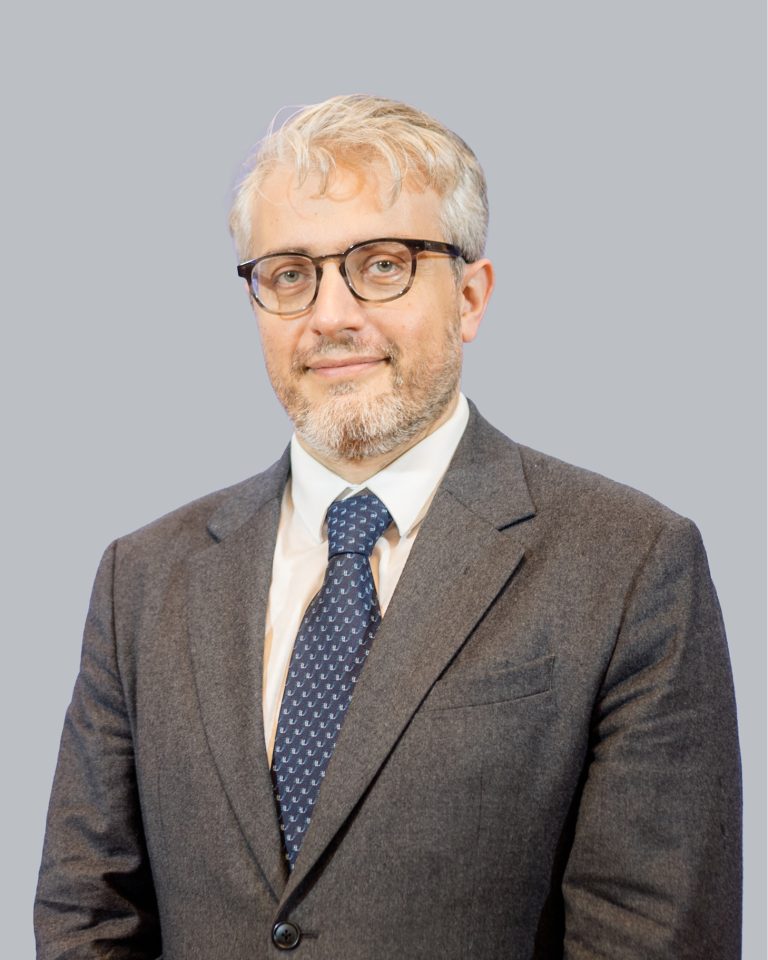
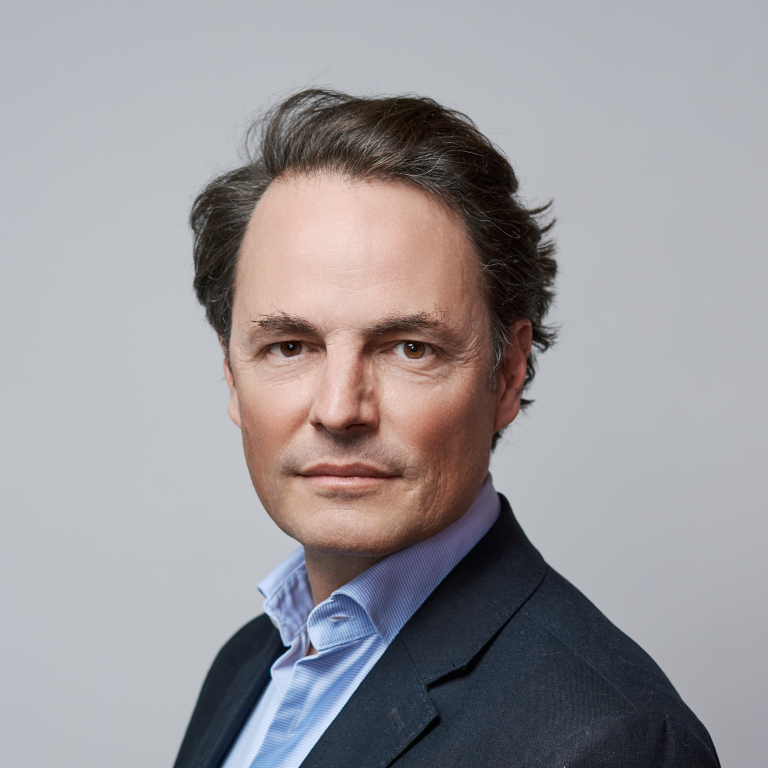
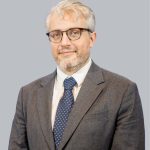
Thorniké Gordadze
Visiting Policy Fellow
Follows
Dr. Thornike Gordadze is a French scholar specializing in political science, international relations, and political history, with particular expertise in the former Soviet Union, the Caucasus, and European integration. He earned both his Master’s degree and PhD from the Paris Institute of Political Studies (Sciences Po).
From 2002 he has been teaching at Sciences Po Paris, where he leads courses on democracy, state-building, and security in the post-Soviet space, and at the Lille Institute of Political Studies, where he teaches on Russia, the Caucasus, and Central Asia. He also served as Head of Research at the French Institute for Advanced Studies in National Defence and was a Senior Fellow at the International Institute for Strategic Studies (IISS) in Berlin.
Dr. Gordadze is currently an Associate Fellow at the Jacques Delors Institute, where he focuses on the European Union’s Eastern Neighbourhood and Black Sea region. He is also a Senior Fellow at the Gnomon Wise think tank in Tbilisi, Georgia, and a regular contributor to GEOpolitics Monthly.
In Kyiv, Thornike will focus on Ukraine’s evolving relations with the former post-Soviet space, particularly the South Caucasus, Central Asia, Moldova, and Belarus. How Ukraine can deepen political, economic, security, and societal ties with these regions at a time when the geopolitical landscape of Eurasia is undergoing profound transformation.
Also his work explores Ukraine’s post-war trajectory and its potential to emerge as a regional leader and geopolitical driver in Eastern Europe and Eurasia. In this context, I examine whether Ukraine can offer an attractive alternative to Russia as a center of influence in the wider post-Soviet region.
Ultimately, his research seeks to understand how post-war Ukraine can contribute to building a new regional order based on independence, connectivity, and cooperation, while strengthening its own role as a leading geopolitical actor in the broader neighbourhood.
Languages: English, French, Georgian, Russian and Turkish

Thank you!
You will now receive EPIK’s latest analysis, publications, event invitations, and other updates directly in your inbox.
Thank you!
You will now receive EPIK’s latest analysis, publications, event invitations, and other updates directly in your inbox.
Go Home Page
Thank you!
The form has been successfully submitted. We value your time, so please expect a call or email from our manager shortly.
Go Home Page
Thank you!
You will now receive EPIK’s latest analysis, publications, event invitations, and other updates directly in your inbox.
Thank you!
You will now receive EPIK’s latest analysis, publications, event invitations, and other updates directly in your inbox.
Thank you for subscribing
You will now receive EPIK’s latest analysis, publications, and event updates directly in your email.
Go Home Page