Categories
Trending Searches
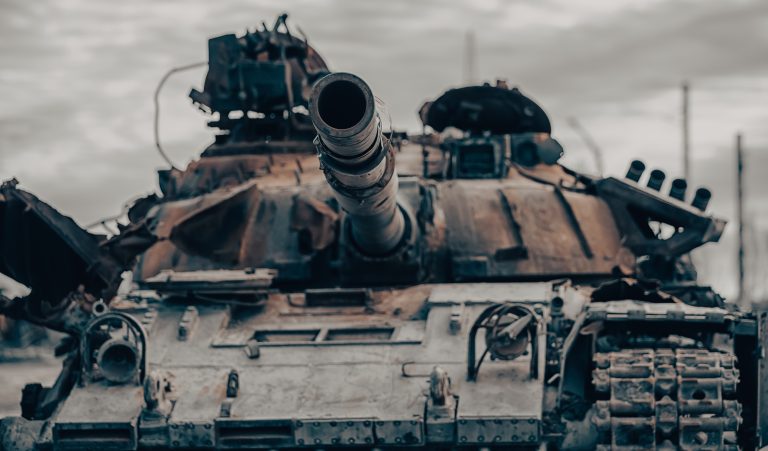

The plateauing of Russia’s military strategy in Ukraine
Russia’s battlefield strategy in Ukraine has plateaued and, if nothing radically changes, Russia cannot expect any significant progress on the battlefield in 2026.

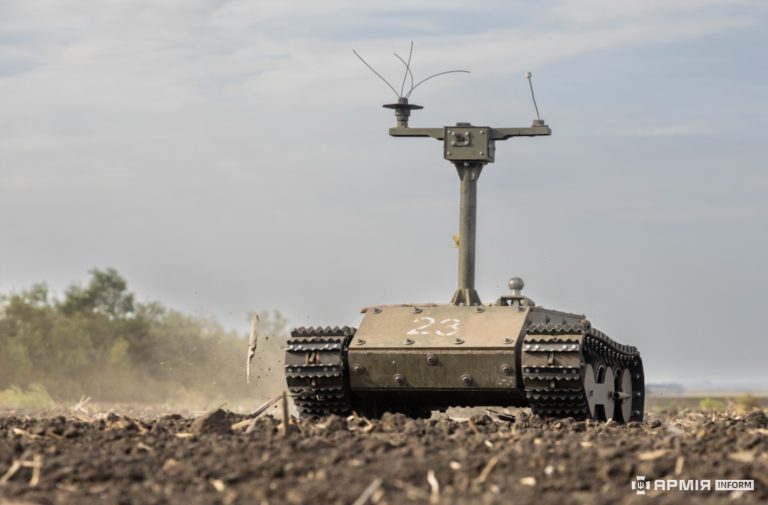
Robots take the risk: Ukraine’s UGV ecosystem and what Europe should learn from it
Ukraine has systematically removed humans from roles that don’t require human judgment, letting machines absorb the danger soldiers would otherwise face. What UGVs can and can’t do, and what lessons European institutions can draw from Ukraine’s experience.

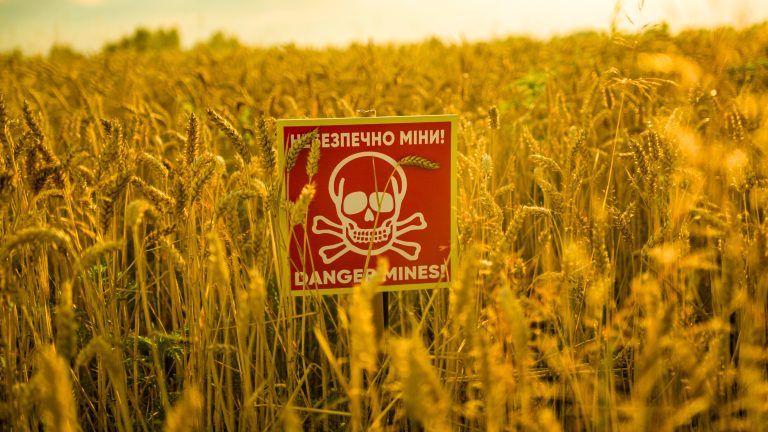
The day after: Six post-war challenges for Ukraine
A ceasefire is nowhere in sight. Putin sees no interest in ending his war. Even so, the EU should start preparing for the many post-war challenges Ukraine will face.




Team members



No Results Found
Not empty-handed, but without illusions: what UNGA brings Ukraine
25 September 2026
6 minutes
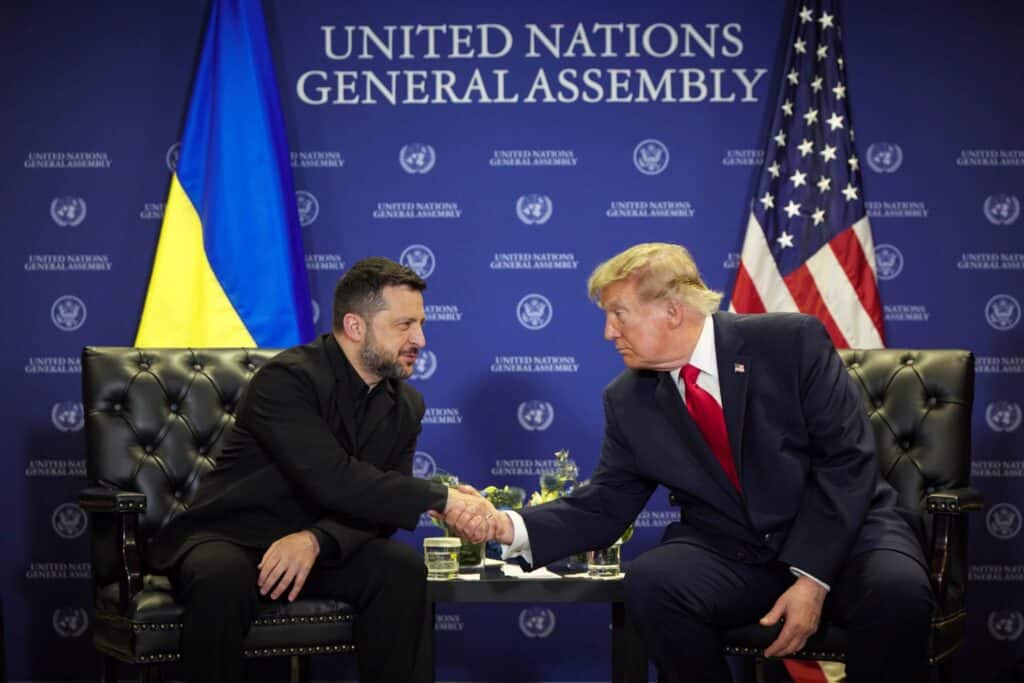
Photo: Office of the President of Ukraine / Facebook page
Text size:
The 81st session of the UN General Assembly, held under the banner “Restoring Trust, Managing Transformation: A United Nations That Delivers for All,” is drawing to a close. This year’s dominant themes were the conflicts in the Middle East and Europe, reform of multilateralism, governance of artificial intelligence, and the resilience of energy infrastructure.
One can hardly call the General Assembly hall a decision-making body. It is rather a showcase for global politics, and a once-a-year must-visit place for world leaders. But for Ukraine, it remains an important venue for pushing its agenda of a just end to the war and securing the support needed to hold the line and negotiate from a position of strength. The Ukrainian team went to New York to answer one very practical question: what is Ukraine actually bringing home?
Additional air defence for winter. Money for defence. Sanctions kept in place. A workable mechanism for at least a partial energy truce. An expanded Drone Deal. Unblocked ports and restored grain exports. And, most importantly, a clear sense of what the rules of any future negotiations will actually be, if they begin at all.
The negotiating track: Trump and the signals to Moscow
The Ukrainian-American agenda, without exaggeration, overshadowed the rest of Ukraine’s UN programme. The meeting between the two presidents on the margins made clearer which way the main negotiating process is heading — and whether the push for peace is tilting more towards Russia’s terms, or Ukraine’s.
Three things emerged. First, a clear Ukrainian position: Zelenskyy said Ukraine is ready to end the war and enter any form of negotiations, including an energy truce. Second, another Trump promise that the war will end soon — possibly sooner than people expect. Third, at least publicly, Washington intends to lean on economic pressure as its main lever.
Secretary of State Marco Rubio passed Ukraine’s energy-truce proposals to Russian Foreign Minister Lavrov on the sidelines. Rubio said both sides expressed interest in a limited ceasefire covering grain and energy; Lavrov, for his part, said Russia had no intention of pausing hostilities during any negotiations.
Why does an energy truce matter so much to Washington? It’s increasingly worried about the war’s effect on global energy prices — and from an American vantage point, this isn’t Iran, it’s a war happening in Europe. Trump had already urged Ukraine not to strike Russian oil refineries, warning it could push up global diesel prices.
Still, it’s too early to take Russia’s initial response as final. A quieter Russian-American track was running in parallel: Kremlin envoy Kirill Dmitriev arrived in New York to play the “constructive” counterpart to Lavrov in the unofficial, back-channel format, holding closed talks with Trump’s inner circle. What actually came of those conversations, we’ll only be able to guess from what both sides do next.
Winter, air defence, and the European rear guard
The Ukrainian delegation ran a genuine marathon with key European partners and NATO Secretary-General Mark Rutte to build a winter air-defence shield. Zelensky laid out a clear need: 300 interceptor missiles for the winter period — a case that made itself, given the meetings took place against constant Russian drone and ballistic strikes on Kyiv.
The result was only partial. America agreed to authorise Patriot missile production involving Raytheon, but made no concrete promises on additional interceptors. Europe, however, balanced the picture: France offered SAMP/T systems and missiles plus joint work on the FREYJA anti-ballistic programme; Germany confirmed additional IRIS-T missiles and a deal for 600 Patriot interceptors through 2027–2028; Finland announced a new €290 million defence package and a Drone Deal agreement; Norway funded protection for Ukraine’s energy grid; even distant Australia signed a $60 million security agreement.
On the plus side, Trump didn’t criticise Europe this time — he called NATO stronger than ever, and touted a US-Denmark-Greenland deal expanding America’s Arctic military presence, seen as Washington locking down the Arctic ahead of talks with China. For Ukraine, the silver lining: less NATO friction, more pressure on Russia in the north.
Financial resilience: Europe remains critical
New York confirmed once again: Europe is Ukraine’s main financial backer, and that support is effectively part of its defence capacity — which is exactly what Zelenskyy discussed with European Commission President Ursula von der Leyen.
Ukraine’s defence-driven budget deficit stands at around $27 billion, and Kyiv is counting on EU support to cover it. The money exists in Brussels, but with conditions attached: von der Leyen reiterated that further support — €37 billion available this year — depends on reform progress in Ukraine’s parliament. Zelensky thanked the EU for its €90 billion loan decision and stressed Ukraine will meet the attached obligations.
There was friction too. Zelenskyy called signals about lifting sanctions on Russian oligarchs Usmanov and Fridman self-defeating: when everything becomes a bargaining chip ahead of potential negotiations, Moscow reads it as weakness. Brussels, though, seems to have realised its mistake — diplomats privately admit the compromise set a dangerous precedent, and the EU is now in damage-control mode, reviewing voting rules and preparing a major blacklist expansion.
Naval blockade and global food security
Another sharp topic was the unblocking of Ukrainian ports. Russian strikes on civilian vessels have cut port capacity by 93%, threatening to keep up to 24 million tonnes of grain off world markets — paralysing agricultural exports, threatening billions in lost foreign-currency earnings, and deepening Ukraine’s dependence on international aid. Rail and river routes through Europe can’t compensate: even Romania’s Constanța, having handled a record 60 million tonnes, has hit its logistical ceiling.
Kaja Kallas’s initiative mattered here: 51 UN member states signed a statement condemning Russian strikes in the Black Sea, reframing the issue as a global threat to freedom of navigation rather than a bilateral dispute. Against that backdrop, Zelenskyy’s meeting with Erdoğan looked especially pragmatic — Turkey remains one of the few actors still talking to both Moscow and Kyiv. Kyiv signalled readiness for a maritime truce: Russia stops terrorising the ports, Ukraine halts long-range strikes in return.
In sum, this Assembly was never about ceremony for Ukraine — it was a hard-nosed audit of what it needs before the toughest winter yet. Kyiv is going home neither empty-handed nor under any illusions: missile production licences, meaningful winter air-defence commitments, EU funding pledges, and the energy-truce idea moved from talking point to real negotiation. What it didn’t get: clarity on ballistic defence, a firm negotiating timeline, or real leverage over Moscow. That’s the minimum it managed to secure.
Authors

Iryna Borovets
Deputy Director



Thank you!
You will now receive EPIK’s latest analysis, publications, event invitations, and other updates directly in your inbox.
Thank you!
You will now receive EPIK’s latest analysis, publications, event invitations, and other updates directly in your inbox.
Go Home Page
Thank you!
The form has been successfully submitted. We value your time, so please expect a call or email from our manager shortly.
Go Home Page
Thank you!
You will now receive EPIK’s latest analysis, publications, event invitations, and other updates directly in your inbox.
Thank you!
You will now receive EPIK’s latest analysis, publications, event invitations, and other updates directly in your inbox.
Thank you for subscribing
You will now receive EPIK’s latest analysis, publications, and event updates directly in your email.
Go Home Page