Categories
Trending Searches
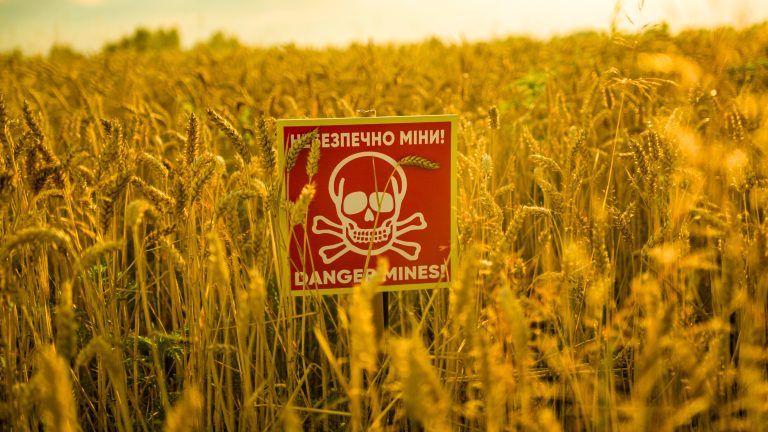

The day after: Six post-war challenges for Ukraine
A ceasefire is nowhere in sight. Putin sees no interest in ending his war. Even so, the EU should start preparing for the many post-war challenges Ukraine will face.


Membership First or Accession Treaty First? How to revive EU enlargement
The European Union’s accession promise loses credibility if it continues to keep the most significant benefits of accession until the end of the process. Its two political options for bringing membership forward – Membership First and Accession Treaty First – must both pass the same four tests.

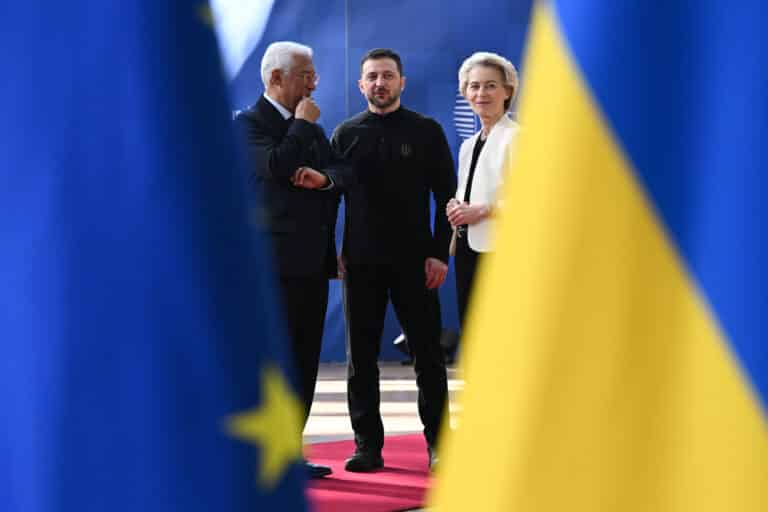
Failure is not an option: the EU’s essential role in securing Ukraine’s future
Four scenarios for Ukraine’s future after 2027: from continued war to a lasting peace deal, and what role the EU must play in each

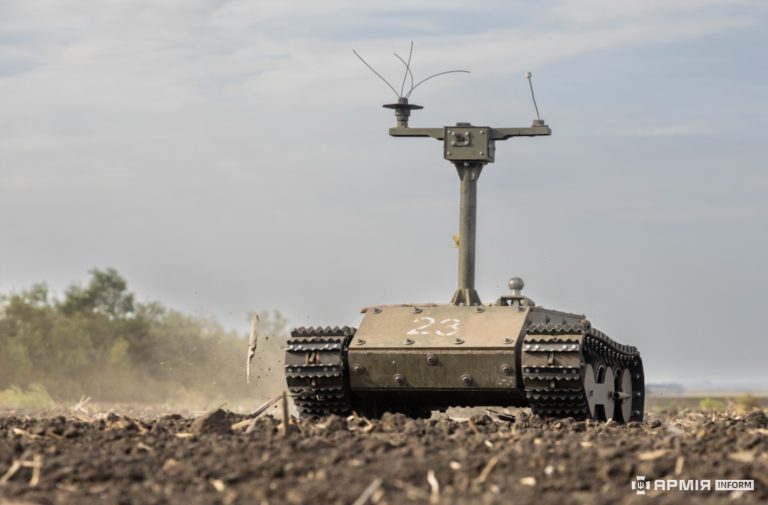
Robots take the risk: Ukraine’s UGV ecosystem and what Europe should learn from it
Ukraine has systematically removed humans from roles that don’t require human judgment, letting machines absorb the danger soldiers would otherwise face. What UGVs can and can’t do, and what lessons European institutions can draw from Ukraine’s experience.


Team members





No Results Found


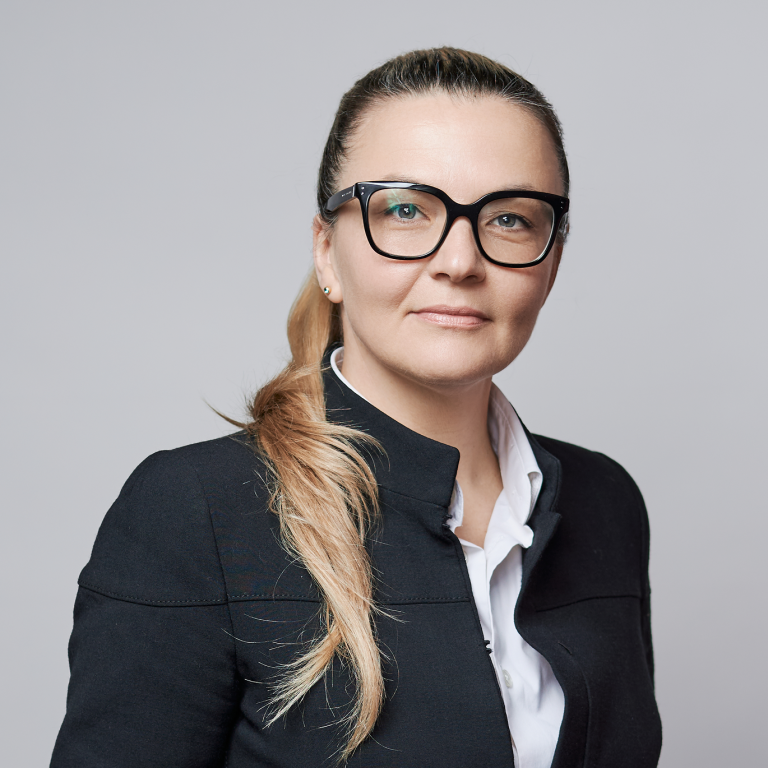
Nadiia Koval
Policy Fellow
Contact
nk@epik.eu
Follows
Nadiia Koval is a Policy Fellow at EPIK with a background in academic research, policy analysis, and diplomacy.
Before joining EPIK, she served as Counselor in the Political Directorate of the Ministry of Foreign Affairs of Ukraine. Previously, she headed the Information and Analytics Department at the Ukrainian Institute and the Centre for International Studies at the Diplomatic Academy of Ukraine.
Nadiia also worked as a foreign policy and security analyst at the Foreign Policy Council “Ukrainian Prism,” the Ukrainian Institute for the Future, and the National Institute for Strategic Studies. She has taught European integration at the Kyiv School of Economics and lectured on Ukrainian foreign policy at Central European University’s Invisible University for Ukraine and at Virginia Commonwealth University.
She holds an MA in Political Science (European Studies) from the National University of Kyiv-Mohyla Academy and completed a joint doctoral programme at the National Institute of Oriental Languages and Civilisations (INALCO, Paris) and NaUKMA, where her research focused on comparative international reconciliation politics in the Ukraine–Poland and Greece–Turkey cases.
Nadiia completed a post-graduate course in political science at the Eastern Studies Division of the University of Warsaw. Her recent fellowships include the Eurasian Democratic Security Network, the Open World “Think Tank Management” programme, and the UMass Virtual Scholars in Residence programme.
She has translated into Ukrainian works by Henry Kissinger, Serhii Plokhy, H. R. McMaster, and Jens Stoltenberg.
Areas of expertise:
Security-related aspects of EU development and Ukraine’s EU accession policy; the European security order; Ukraine’s bilateral relations with selected European countries (France, Poland, Greece)
Knowledge and perception of Ukraine, its culture and politics abroad; interpretations of Russian aggression in Western academic and think tank discourses; the state of Ukrainian and East European studies worldwide; Russia’s weaponization of culture as policy
International reconciliation policies and memory wars
Languages: Ukrainian (native), English, French, Polish, Modern Greek, Russian; basic German


Thank you!
You will now receive EPIK’s latest analysis, publications, event invitations, and other updates directly in your inbox.
Thank you!
You will now receive EPIK’s latest analysis, publications, event invitations, and other updates directly in your inbox.
Go Home Page
Thank you!
The form has been successfully submitted. We value your time, so please expect a call or email from our manager shortly.
Go Home Page
Thank you!
You will now receive EPIK’s latest analysis, publications, event invitations, and other updates directly in your inbox.
Thank you!
You will now receive EPIK’s latest analysis, publications, event invitations, and other updates directly in your inbox.
Thank you for subscribing
You will now receive EPIK’s latest analysis, publications, and event updates directly in your email.
Go Home Page