

The day after: Six post-war challenges for Ukraine
A ceasefire is nowhere in sight. Putin sees no interest in ending his war. Even so, the EU should start preparing for the many post-war challenges Ukraine will face.


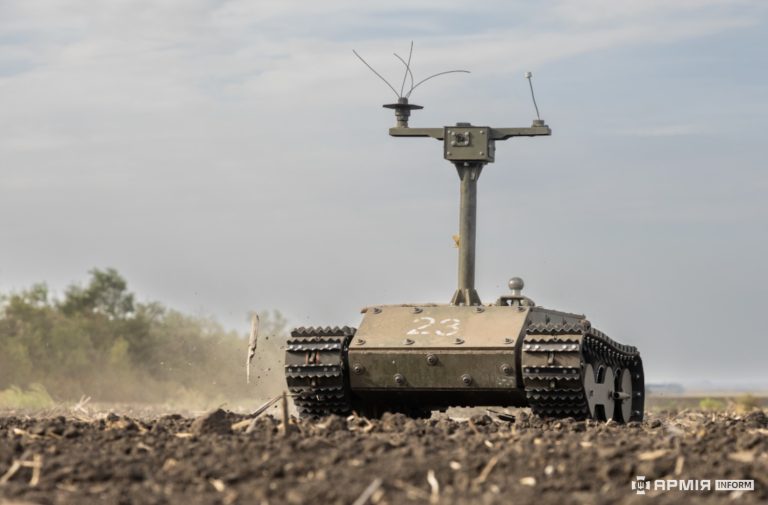
Robots take the risk: Ukraine’s UGV ecosystem and what Europe should learn from it
Ukraine has systematically removed humans from roles that don’t require human judgment, letting machines absorb the danger soldiers would otherwise face. What UGVs can and can’t do, and what lessons European institutions can draw from Ukraine’s experience.

Membership First or Accession Treaty First? How to revive EU enlargement
The European Union’s accession promise loses credibility if it continues to keep the most significant benefits of accession until the end of the process. Its two political options for bringing membership forward – Membership First and Accession Treaty First – must both pass the same four tests.








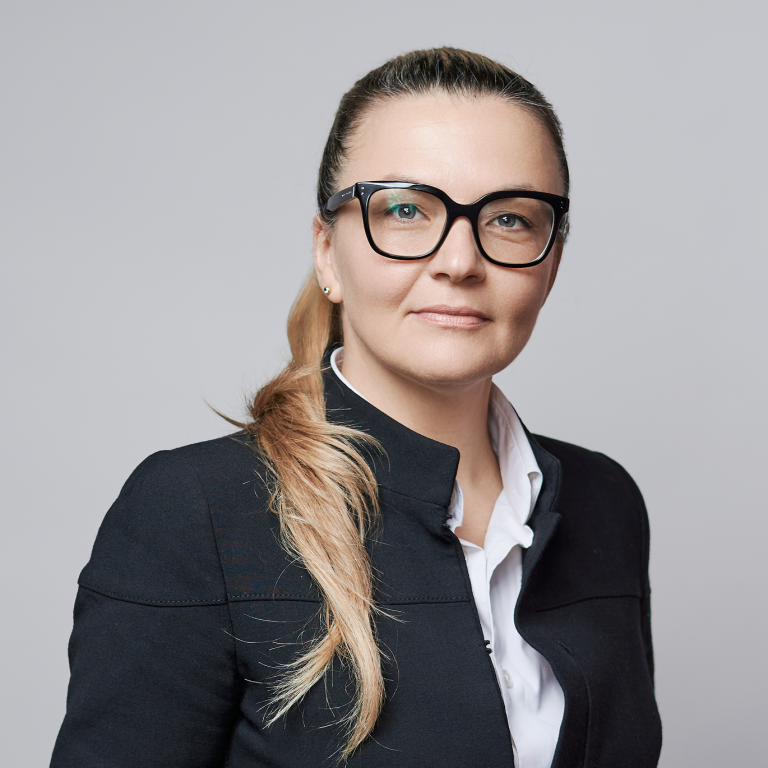

Rosaria Puglisi
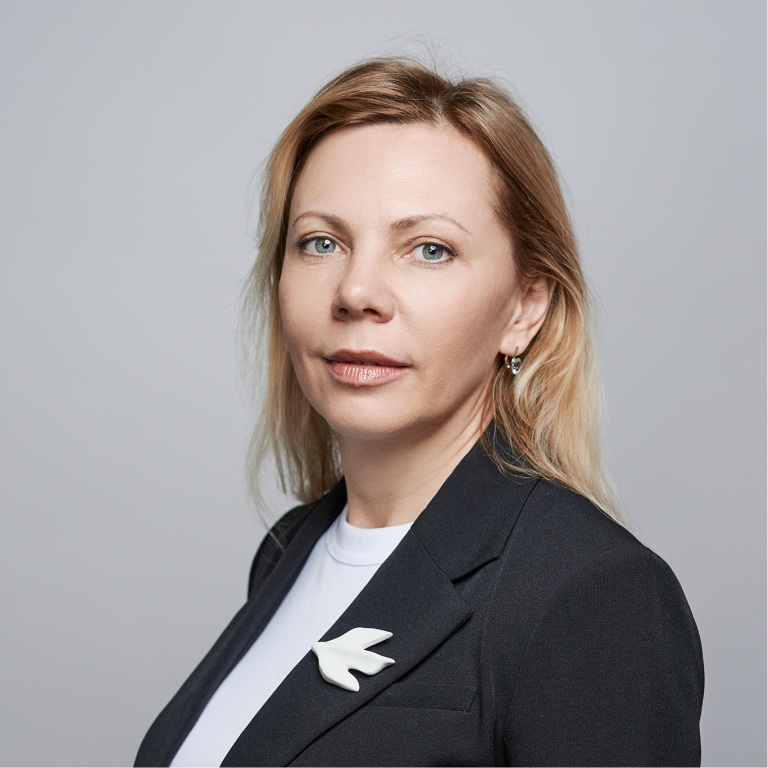
Dr. Rosaria Puglisi is an international relations and security governance expert with over twenty years of experience in international organisations, including the EU, NATO and the OECD, with a regional focus stretching from Eastern Europe to the South Caucasus and Central Asia.
Her long engagement with Ukraine began in the late 1990s, when she researched a PhD at the University of Glasgow on Russian and Ukrainian oligarchs. Her practitioner work, from heading NATO’s regional offices in Tbilisi and Tashkent to working in active and post-conflict settings, has centred on strengthening oversight, accountability and institutional coherence across the security sector. She brings the same governance lens to her academic research on civil-military relations in Ukraine.
At EPIK, Rosaria will focus on the governance of military AI and on how Ukraine’s experience can inform the international debate on the subject. Her work explores the legal, doctrinal and practical approaches Ukrainian actors are developing to address the challenges and opportunities of AI on the battlefield, including how responsibility and accountability are handled in practice.
Ultimately, her research seeks to understand how Ukraine’s position in the international debate is formed, and how its experience at the forefront of defence innovation can feed into the shaping of international rules and norms. It is part of her forthcoming book Decentralising Defence: Civil Society, Governance and Ukrainian Resilience (Ibidem-Verlag).
Languages: English, French, Italian, Russian
Areas of interest: good governance of the security sector; security sector governance and civil-military relations in Ukraine; overnance of AI in the defence sector

Thank you!
You will now receive EPIK’s latest analysis, publications, event invitations, and other updates directly in your inbox.
Thank you!
You will now receive EPIK’s latest analysis, publications, event invitations, and other updates directly in your inbox.
Go Home Page
Thank you!
The form has been successfully submitted. We value your time, so please expect a call or email from our manager shortly.
Go Home Page
Thank you!
You will now receive EPIK’s latest analysis, publications, event invitations, and other updates directly in your inbox.
Thank you!
You will now receive EPIK’s latest analysis, publications, event invitations, and other updates directly in your inbox.
Thank you for subscribing
You will now receive EPIK’s latest analysis, publications, and event updates directly in your email.
Go Home Page