





Subscription
Stay informed with new podcasts
Subscribe to receive updates.
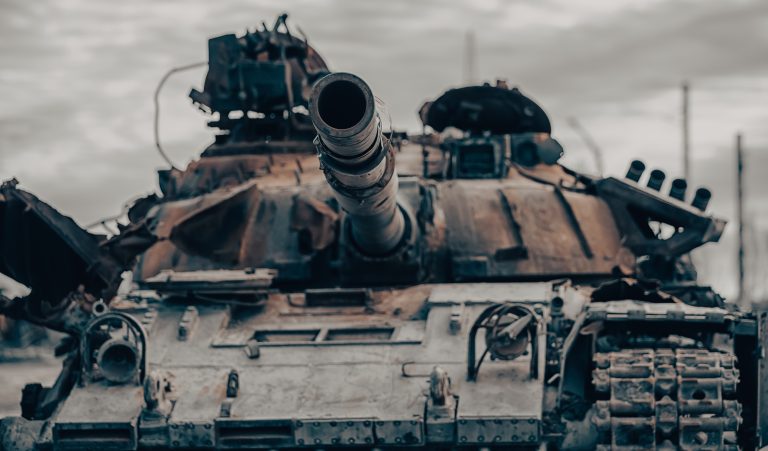

Russia’s battlefield strategy in Ukraine has plateaued and, if nothing radically changes, Russia cannot expect any significant progress on the battlefield in 2026.

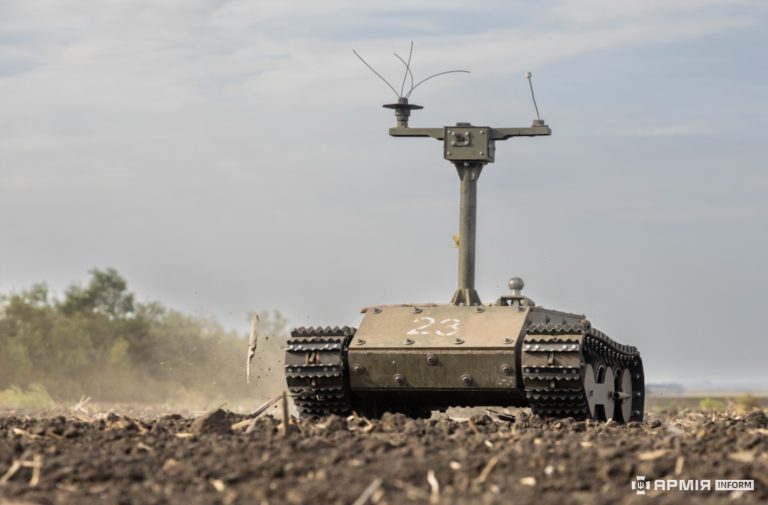
Ukraine has systematically removed humans from roles that don’t require human judgment, letting machines absorb the danger soldiers would otherwise face. What UGVs can and can’t do, and what lessons European institutions can draw from Ukraine’s experience.
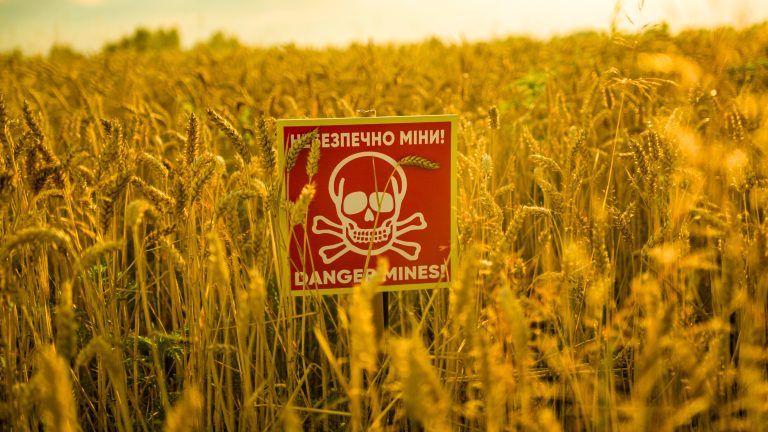
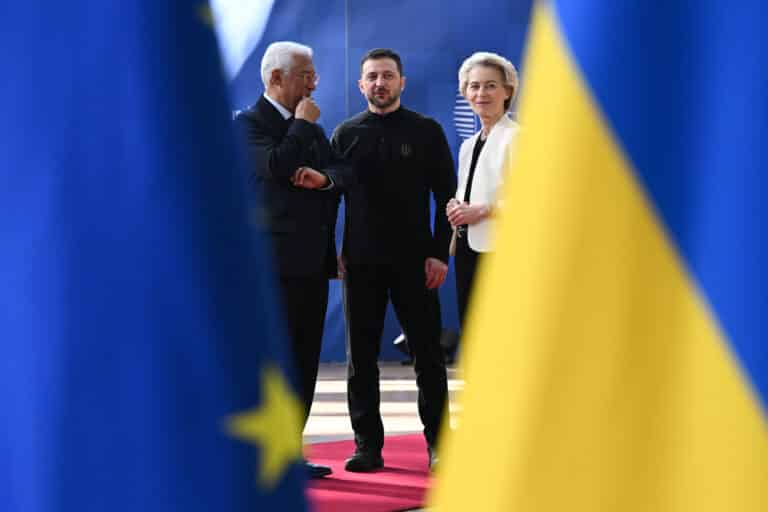
A ceasefire is nowhere in sight. Putin sees no interest in ending his war. Even so, the EU should start preparing for the many post-war challenges Ukraine will face.


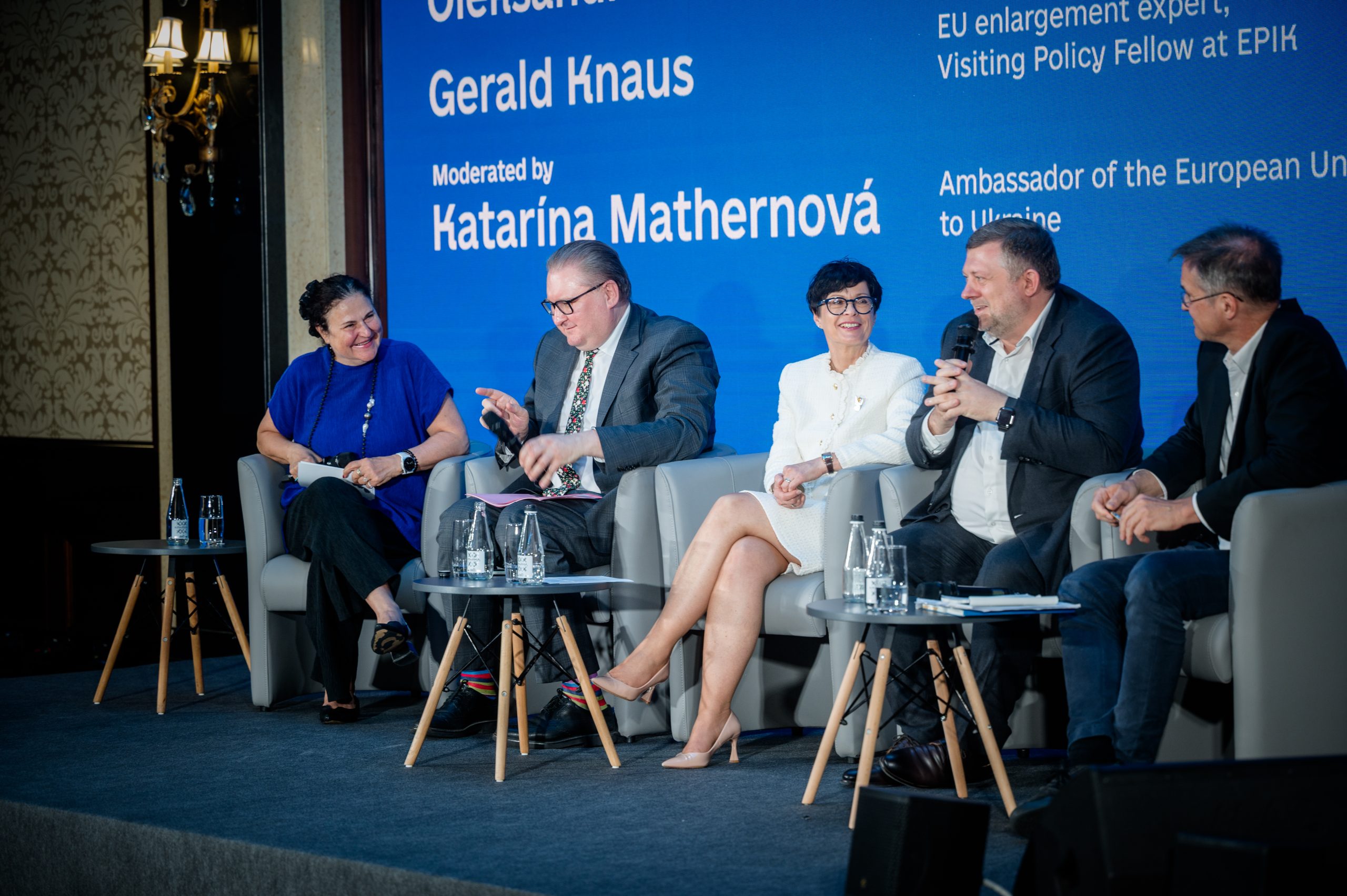
As the European Union prepares to open Cluster 1 on Fundamentals with Ukraine, Ukraine's European integration is entering a new phase defined not by aspirations, but by implementation and delivery. On 8 June 2026, European Commissioner for Enlargement Marta Kos visited Kyiv and took part in the public discussion. The discussion was focused on three questions: - What must be delivered in the months ahead to sustain momentum? - What political and institutional choices will determine success? - How can Ukraine’s accession help shape the future of Europe in the decade to come? The event was jointly organised by the Ukraine2EU programme and the European Policy Institute in Kyiv (EPIK).

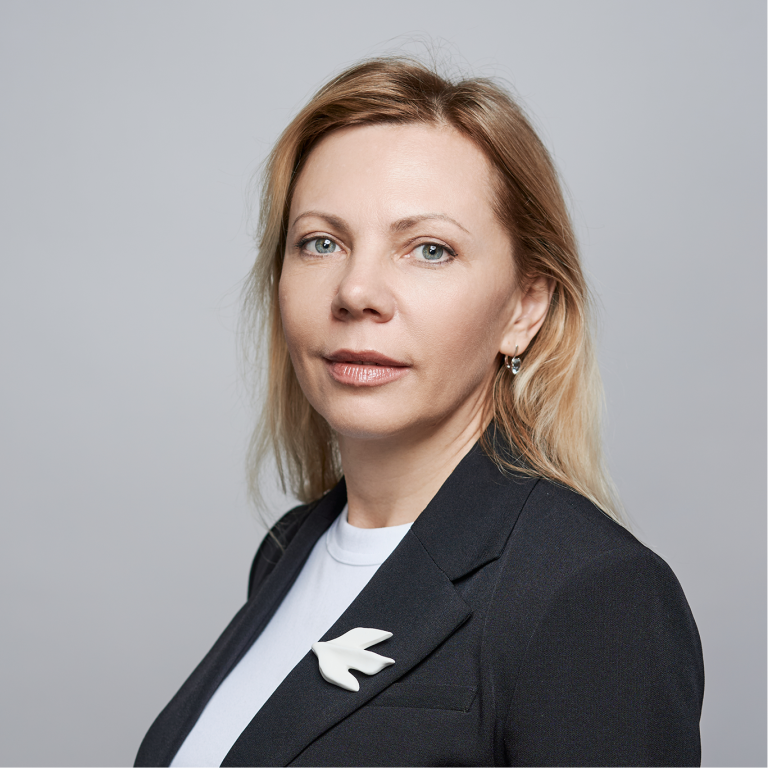
Russia’s information war is not only about fake news. It is about creating an alternative reality — one that exploits Europe’s historical traumas, political divisions, fears about migration, and doubts about Ukraine’s future. In this episode of Ukraine Insights Adam Sybera speaks with Lessia Bidochko, policy fellow at EPIK, about how Russia uses propaganda, cognitive warfare, far-right networks, Telegram, and “grey narratives” to weaken Ukraine and divide European societies. Produced by KI Insights, the analytical unit backed by The Kyiv Independent.

Ukraine’s EU path is entering a critical moment. In this episode, host, KI Insights Research Editor, Alex Fynn speaks with Ivan Nagornyak, a policy fellow at EPIK and pro bono adviser on Euro-Atlantic integration, about why Kyiv rejects proposals for “associate membership,” how the fall of Orban reveals deeper challenges to accession talks, and why EU reforms will reshape Ukraine’s tax system, business culture, and political economy. It also asks a bigger question: does Europe want Ukraine inside the EU enough to accept the painful trade offs?
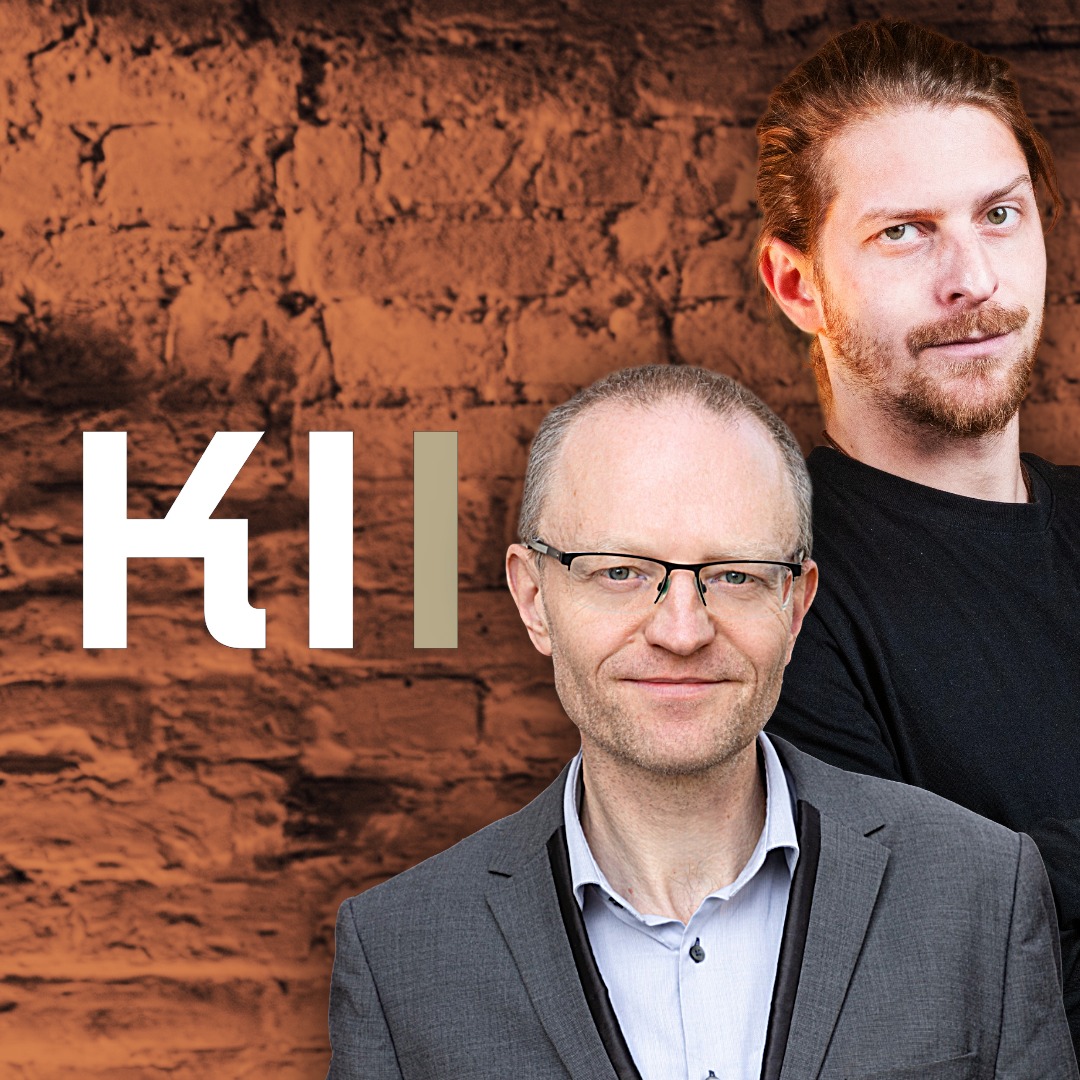
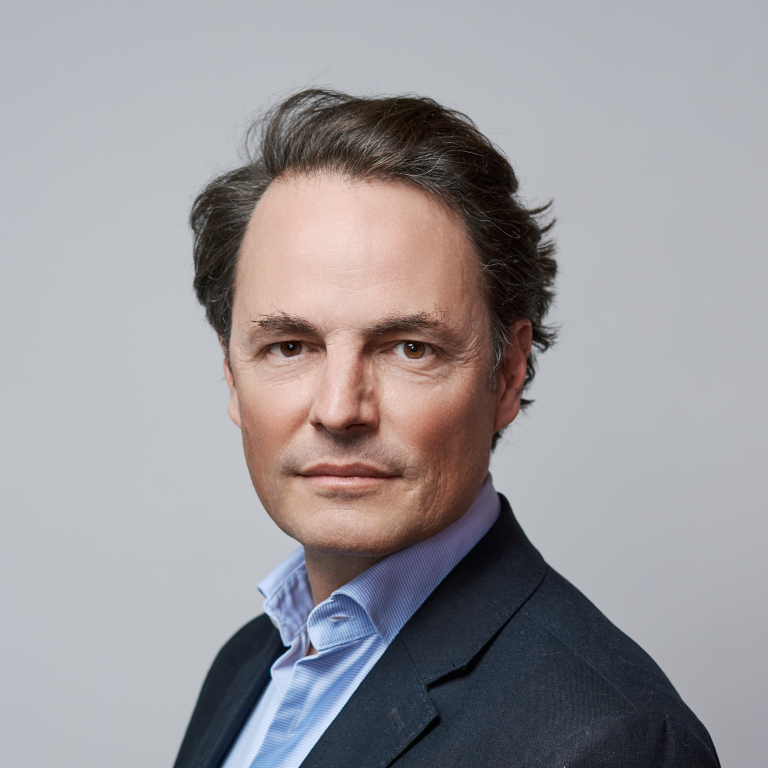
Ukraine’s EU ambitions are colliding with Europe’s political realities. While Kyiv pushes for faster integration, major EU states remain cautious over reforms, corruption, and the future of the Union itself. In this episode, Adam Sybera speaks with geopolitical analyst Stefan Meister, Visiting Policy Fellow at EPIK, about Ukraine’s EU path, Germany’s position on enlargement, Orbán’s decline, rising populism in Central Europe, and why Europe may be entering a deeper political and security crisis.
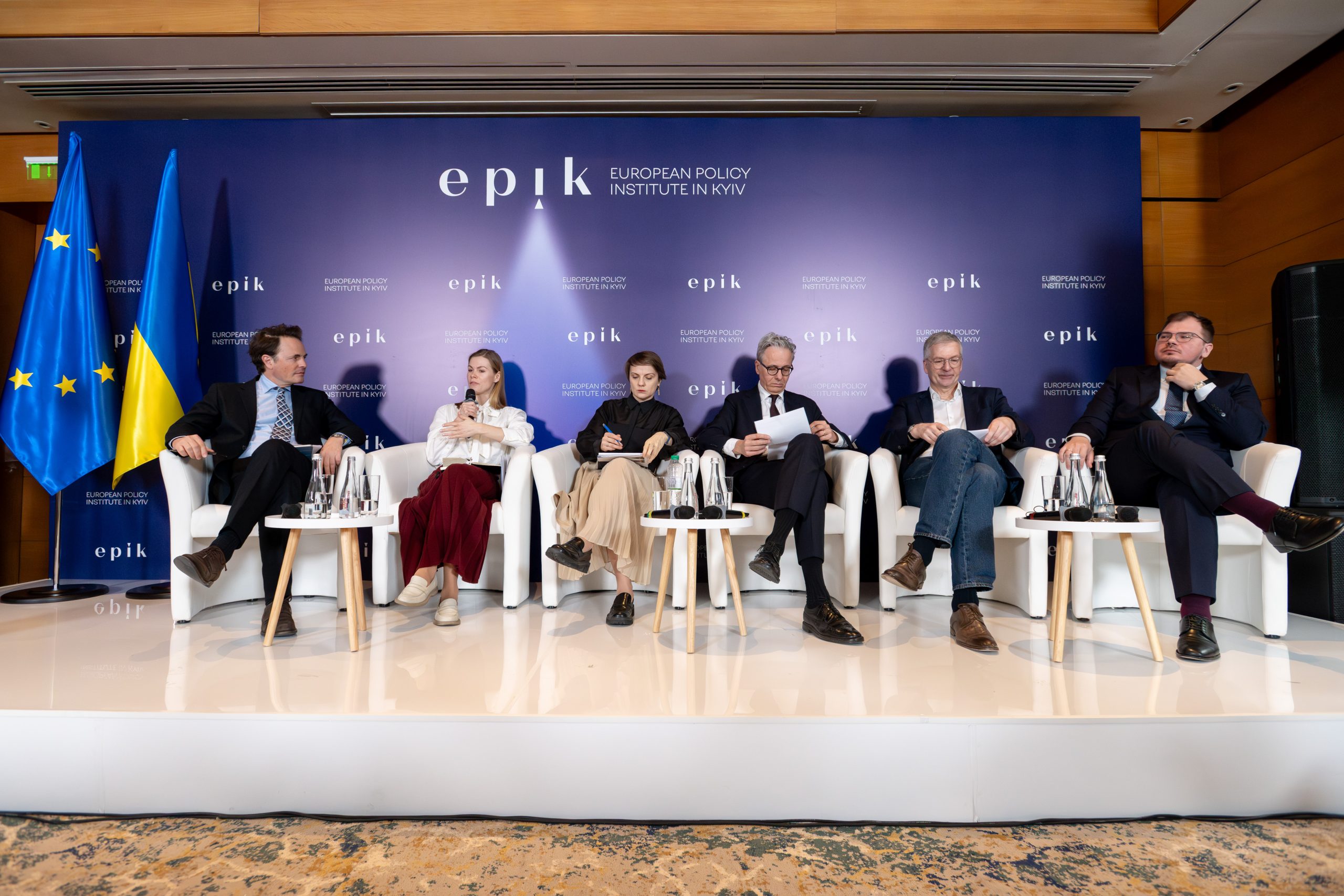
EPIK's innaugural panel discussion explores how Ukraine's EU accession is reshaping not only its own future but also the future of Europe as a whole. The EPIK inaugural panel discussion featured Stefan Schleuning, Head of Cooperation at the EU Delegation to Ukraine; Jakob Hallgren, Director of the Swedish Institute of International Affairs; Lesia Ogryzko, Co-founder and Director of the Sahaidachnyi Security Center; Nataliya Gumenyuk, journalist, CEO of the Public Interest Journalism Lab; Ivan Nagornyak, EPIK Policy Fellow, Adviser to the Deputy Prime Minister on European and Euro-Atlantic Integration of Ukraine. Moderated by Fredrik Wesslau, Acting Director of EPIK.
Journalist Natalia Gumenyuk speaks with Fredrik Wesslau about new approaches to EU enlargement, the Minsk agreements as Russian trap, the reasons behind Sweden’s strong support for Ukraine, the long road to justice, and the reform of Ukraine’s law enforcement agencies.

Ukraine’s EU accession has accelerated since 2022, but full membership remains uncertain. In this episode, Olena Yermakova, Head of Research at KI Insights, speaks with Fredrik Wesslau, Director of EPIK Ukraine, about what has changed in the EU’s approach to Ukraine, the key political and structural obstacles still in place, and what realistic pathways forward could look like — including scenarios that move Ukraine closer to the EU without full membership.

The Russia–Ukraine war has transformed Ukraine’s politics and its relationship with Russia. Meanwhile, Moscow is exporting its “political technology” to influence politics across Europe. Prof. Andrew Wilson joins Olena Yermakova to discuss how Ukraine has evolved since 1991, the impact of the full-scale war, and why a peace deal with Vladimir Putin could prove dangerously unstable.
No media items match your filters. Try adjusting your selection.
Subscribe to receive updates.

You will now receive EPIK’s latest analysis, publications, event invitations, and other updates directly in your inbox.
You will now receive EPIK’s latest analysis, publications, event invitations, and other updates directly in your inbox.
Go Home Page
The form has been successfully submitted. We value your time, so please expect a call or email from our manager shortly.
Go Home Page
You will now receive EPIK’s latest analysis, publications, event invitations, and other updates directly in your inbox.
You will now receive EPIK’s latest analysis, publications, event invitations, and other updates directly in your inbox.
You will now receive EPIK’s latest analysis, publications, and event updates directly in your email.
Go Home Page
You will now receive EPIK’s latest analysis, publications, event invitations, and other updates directly in your inbox.
You will now receive EPIK’s latest analysis, publications, event invitations, and other updates directly in your inbox.
Go Home Page
The form has been successfully submitted. We value your time, so please expect a call or email from our manager shortly.
Go Home Page
You will now receive EPIK’s latest analysis, publications, event invitations, and other updates directly in your inbox.
You will now receive EPIK’s latest analysis, publications, event invitations, and other updates directly in your inbox.
You will now receive EPIK’s latest analysis, publications, and event updates directly in your email.
Go Home Page