






Categories

Ukraine’s accession: How to deliver Europe’s next enlargement

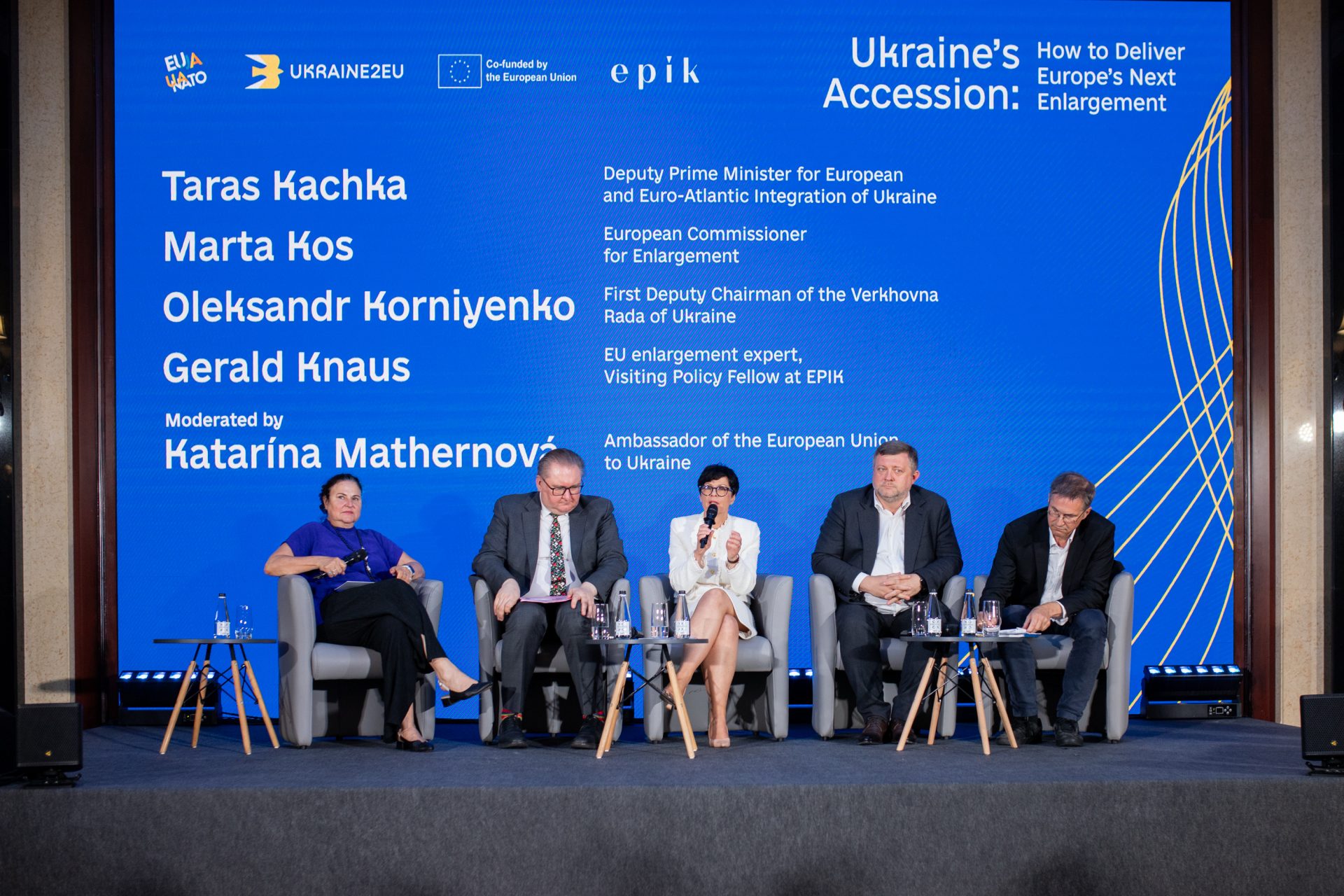
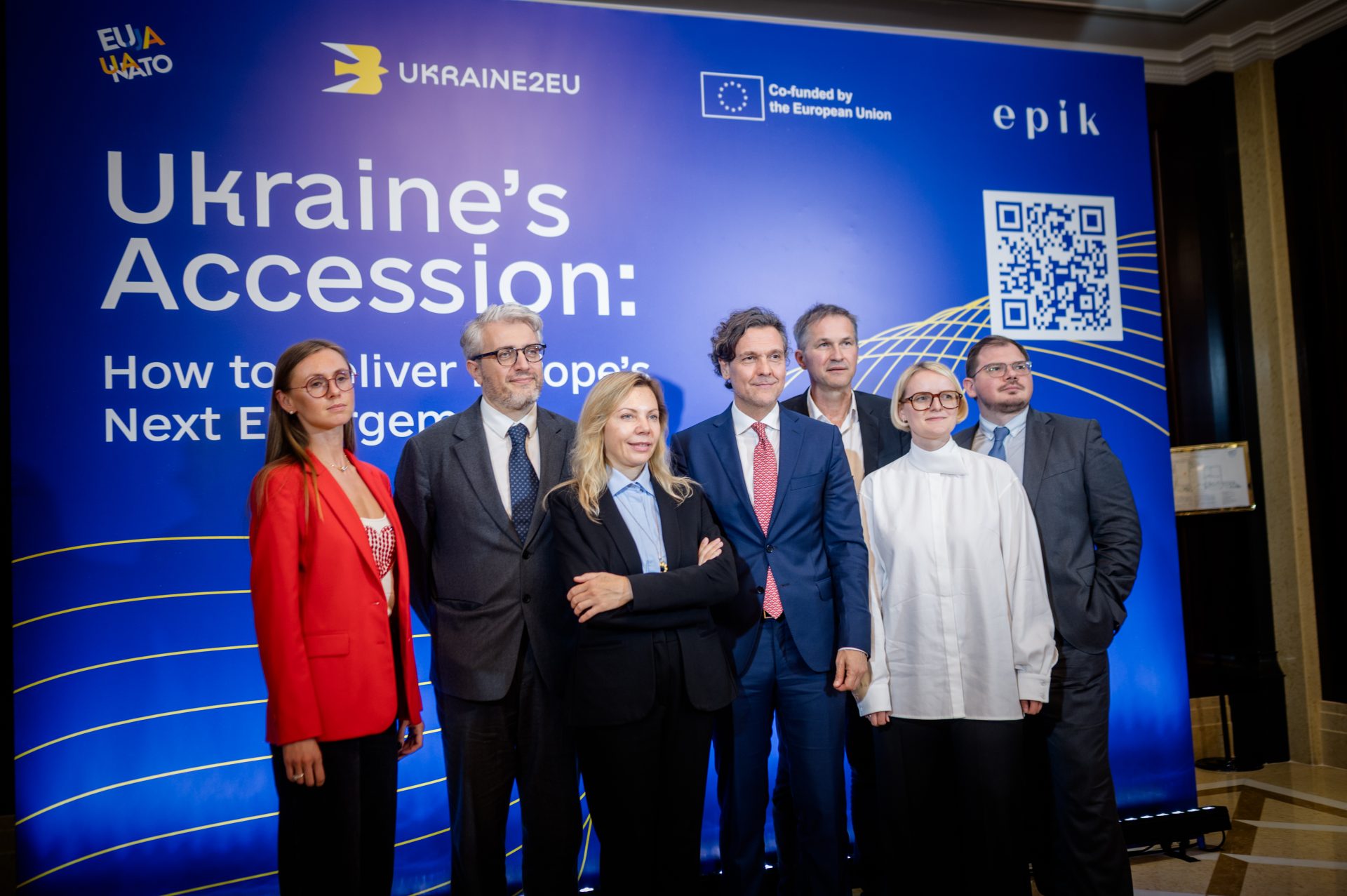
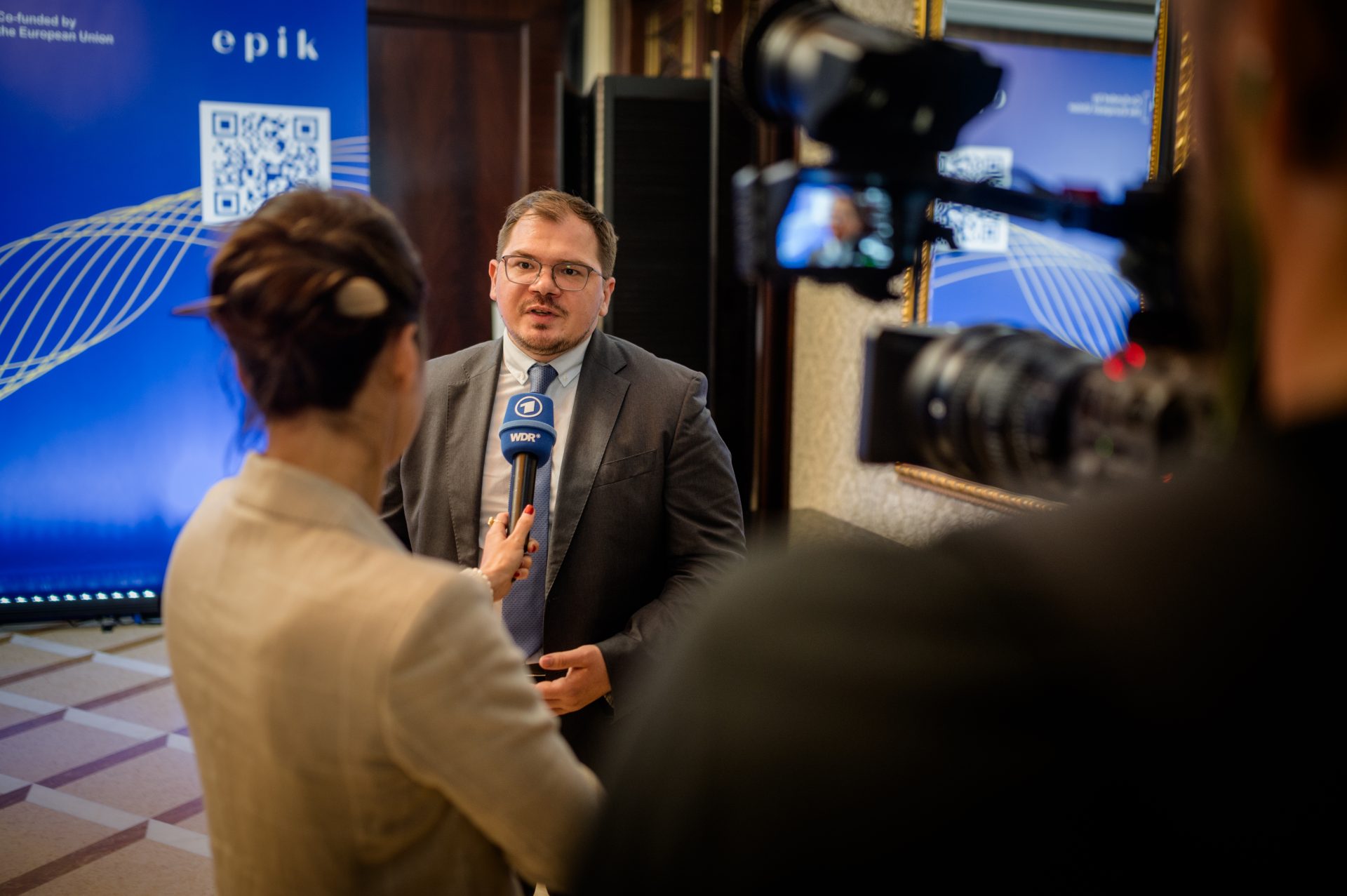
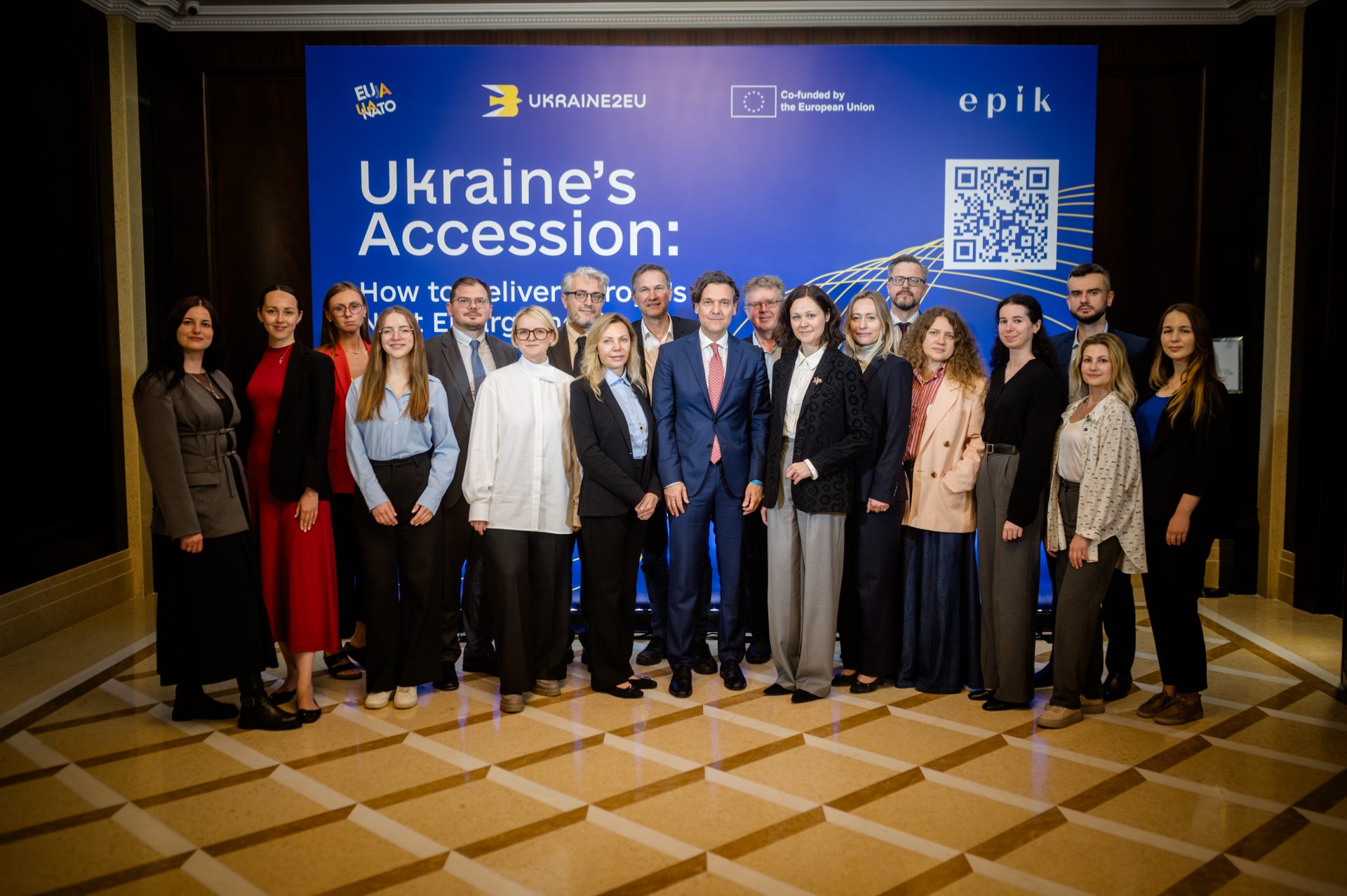
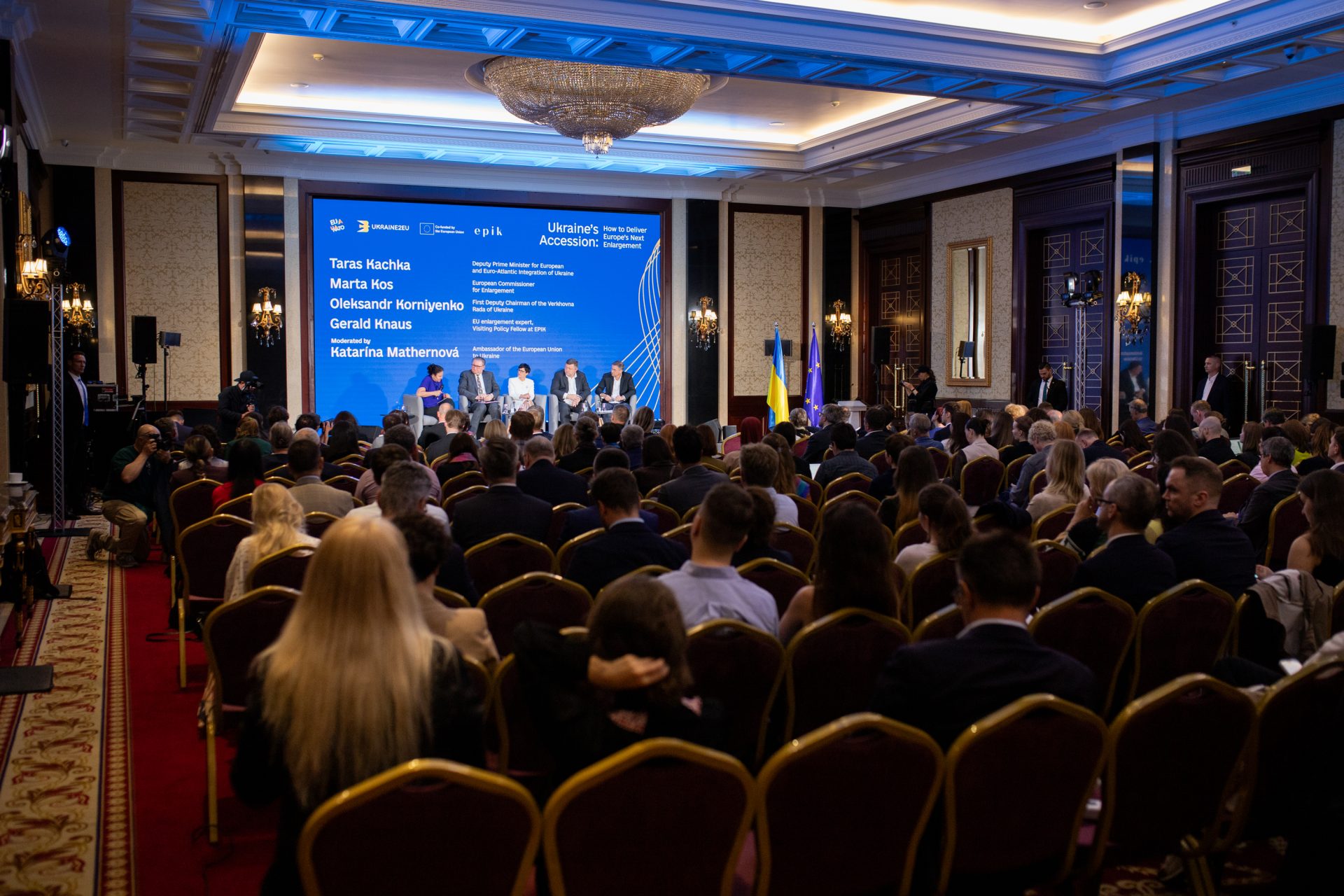
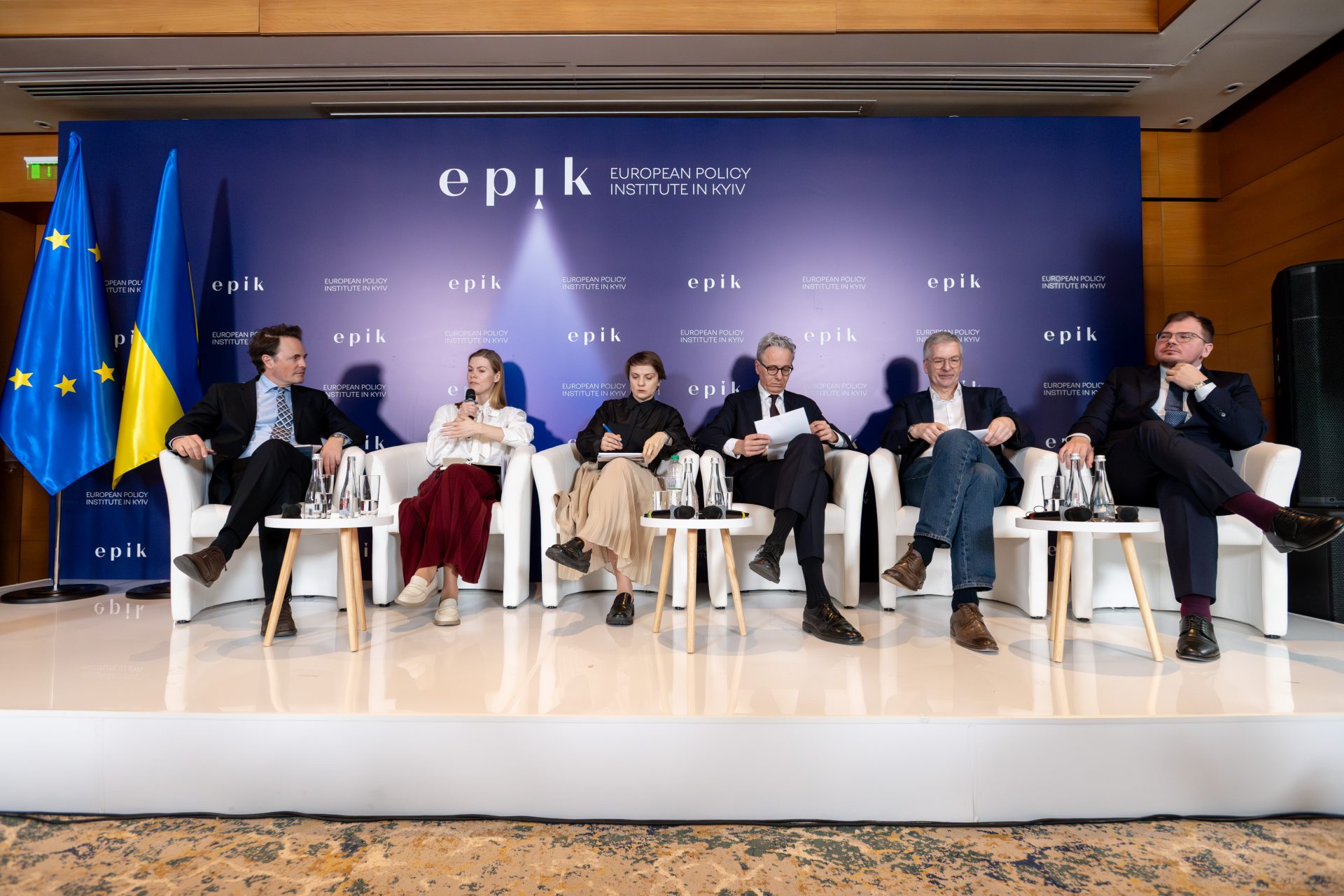
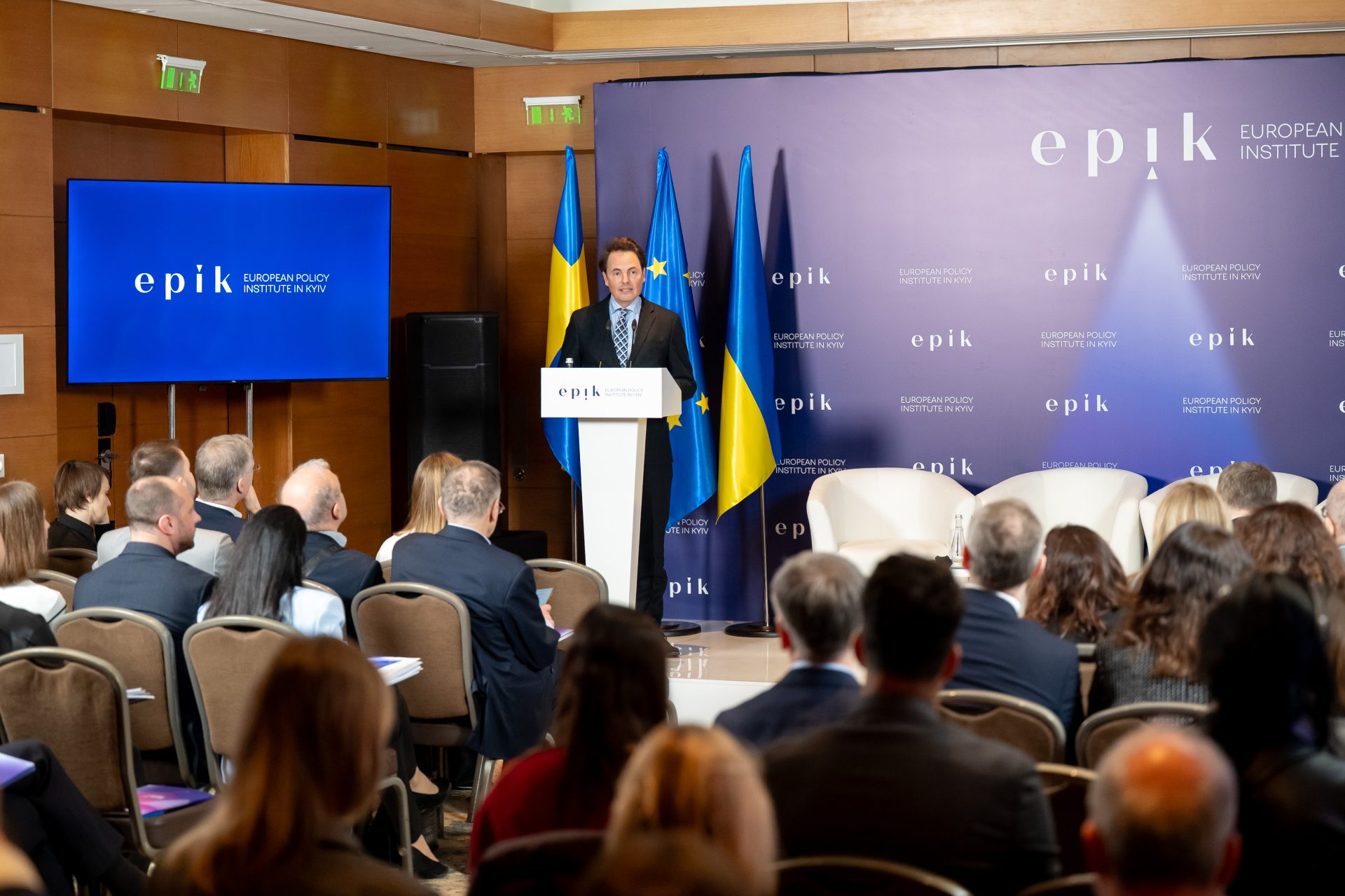
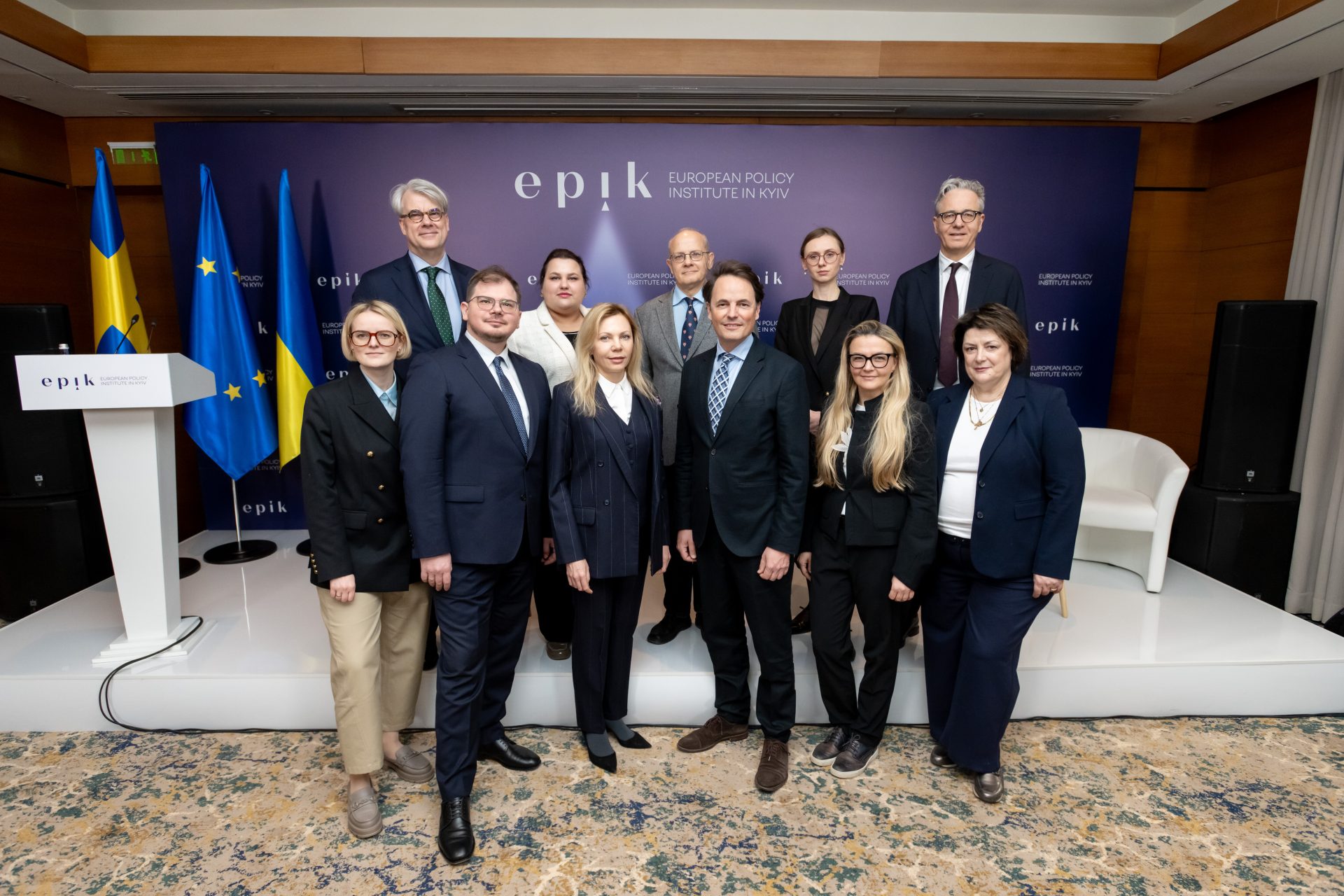
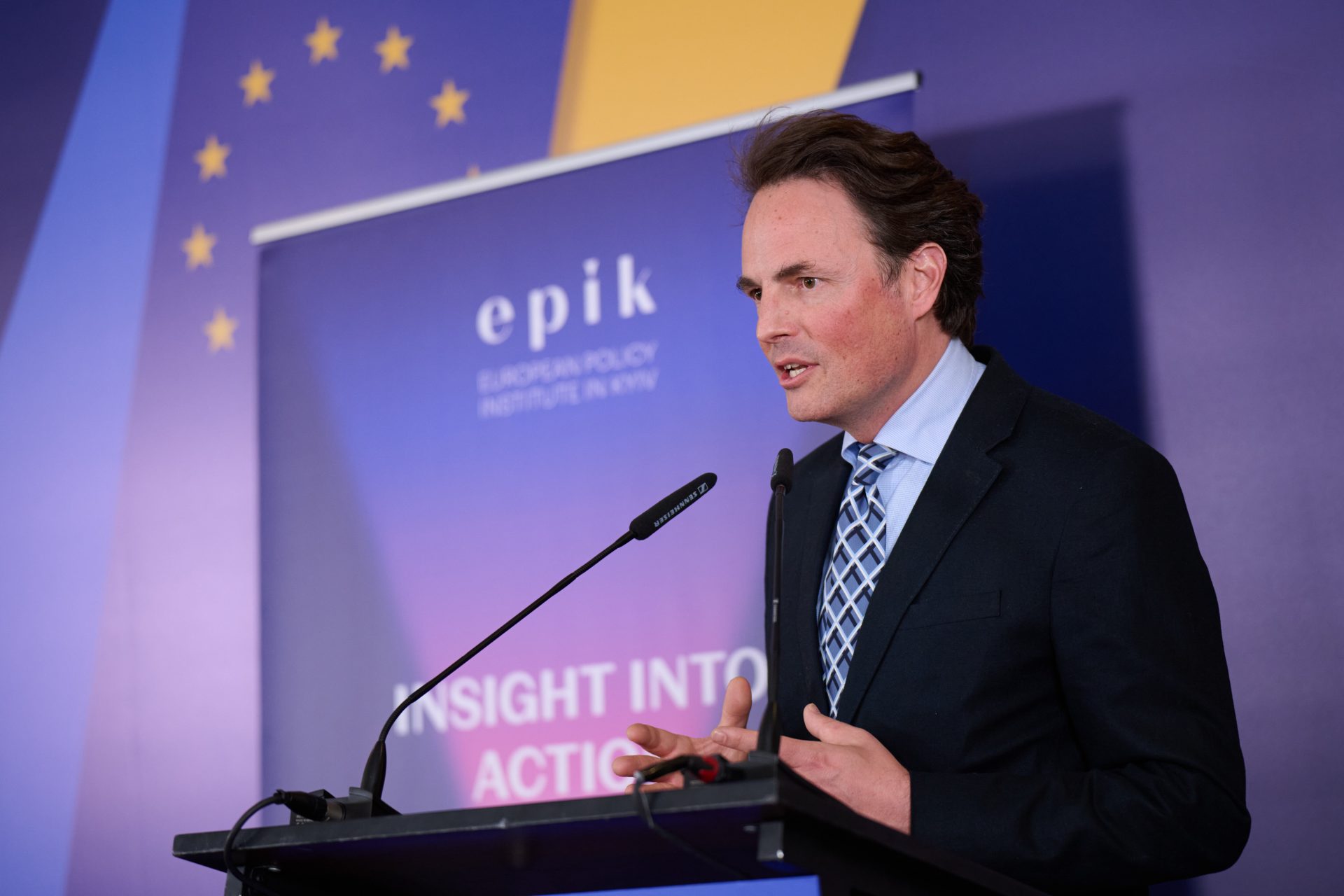
On 8 June 2026, a public discussion was held as part of the visit of European Commissioner for Enlargement Marta Kos in Kyiv. The event was jointly organised by the Ukraine2EU programme and the European Policy Institute in Kyiv (EPIK).

DSC_8351
Text size:

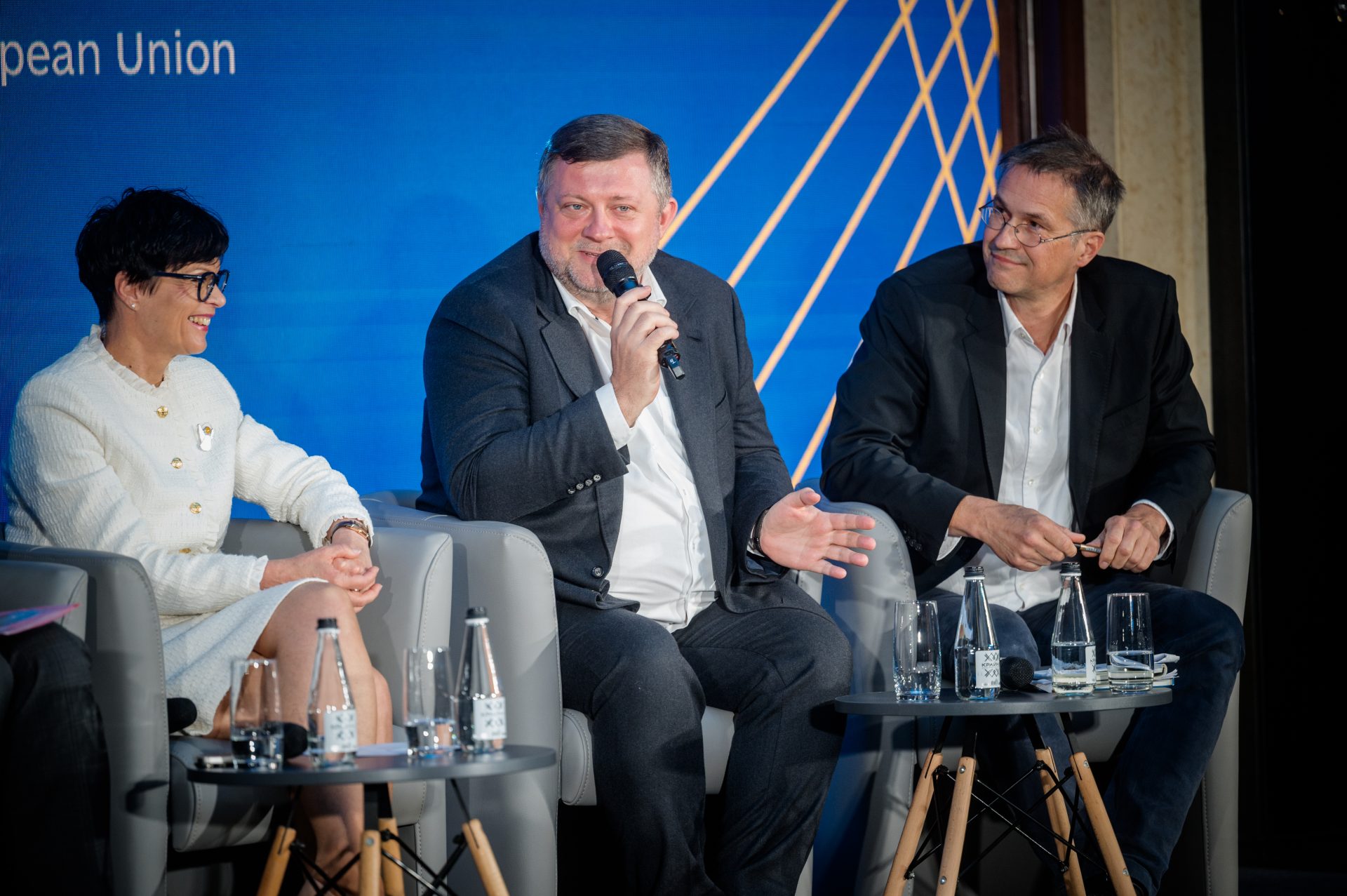
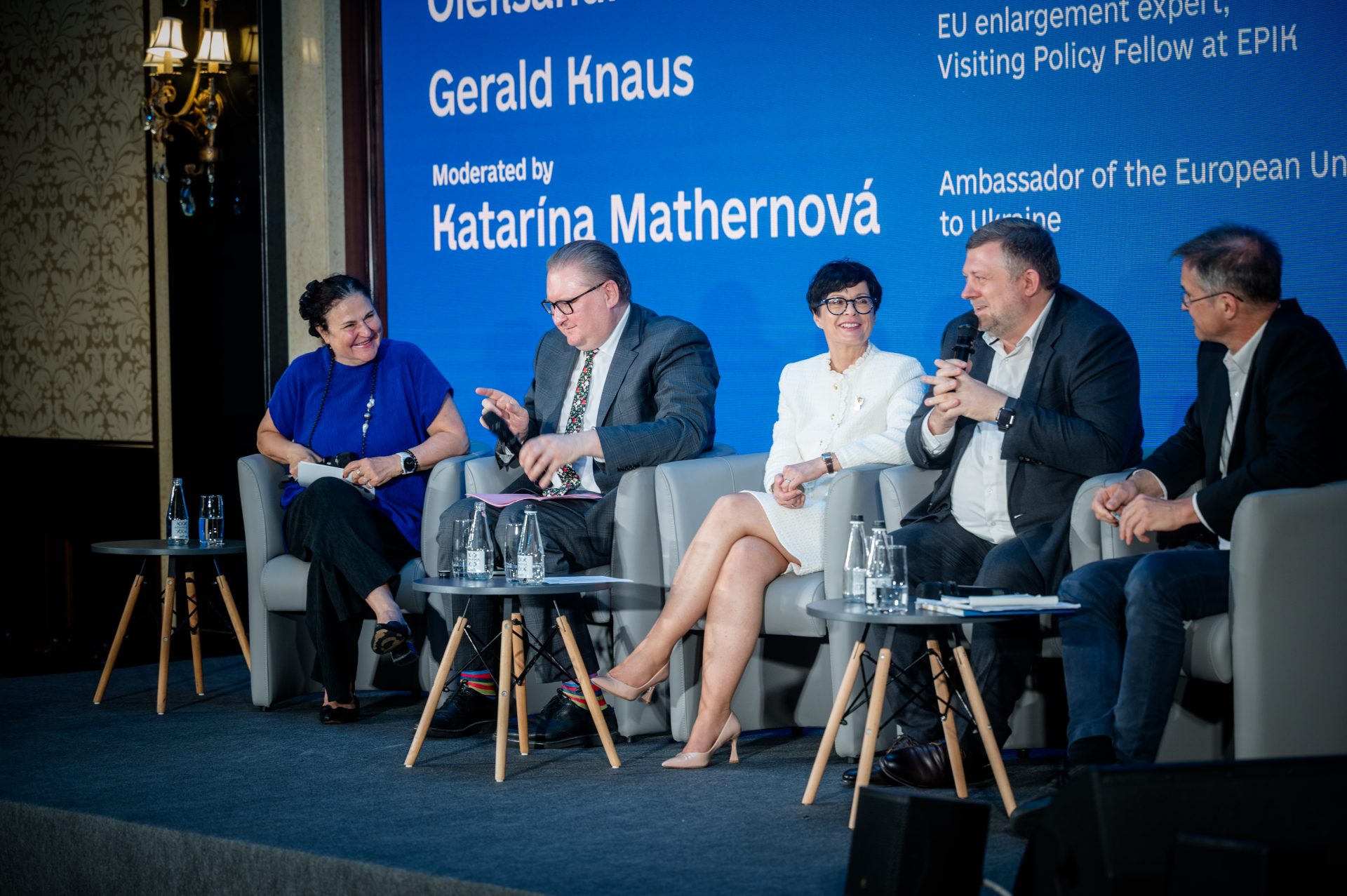
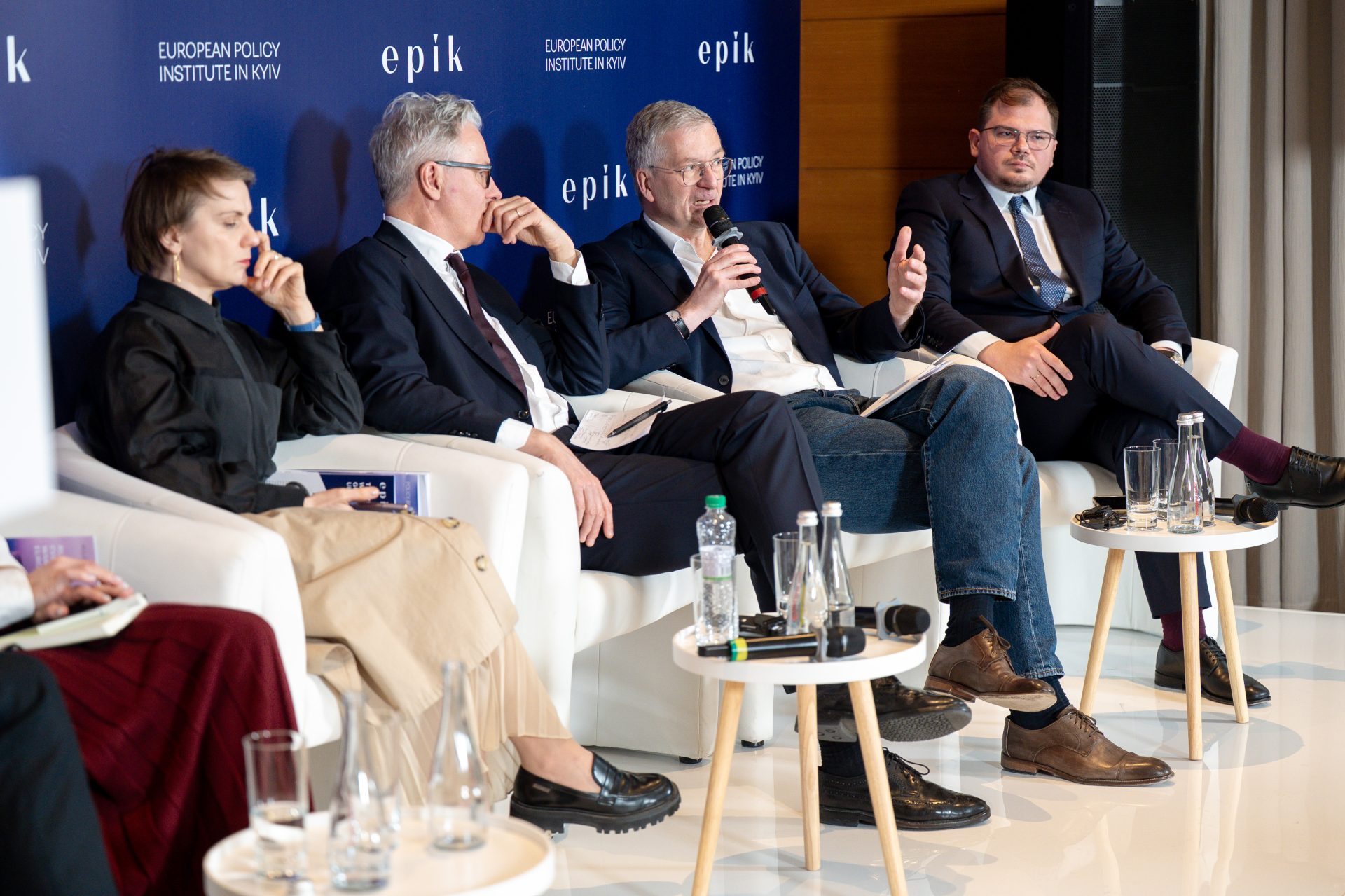
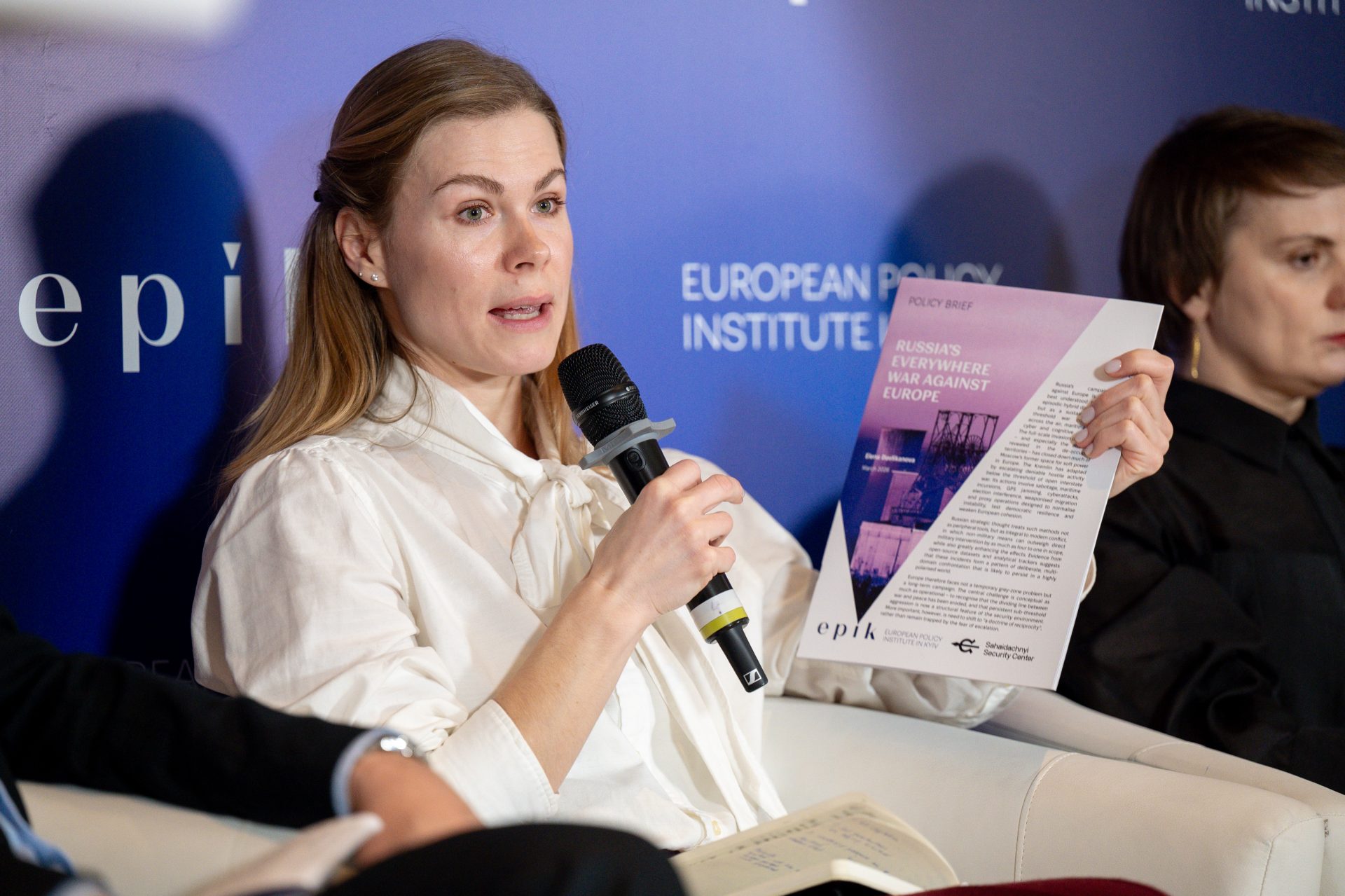
On 8 June 2026, as part of the visit of Marta Kos, European Commissioner for Enlargement, a public discussion titled “Ukraine’s Accession: How to Deliver Europe’s Next Enlargement” took place in Kyiv.

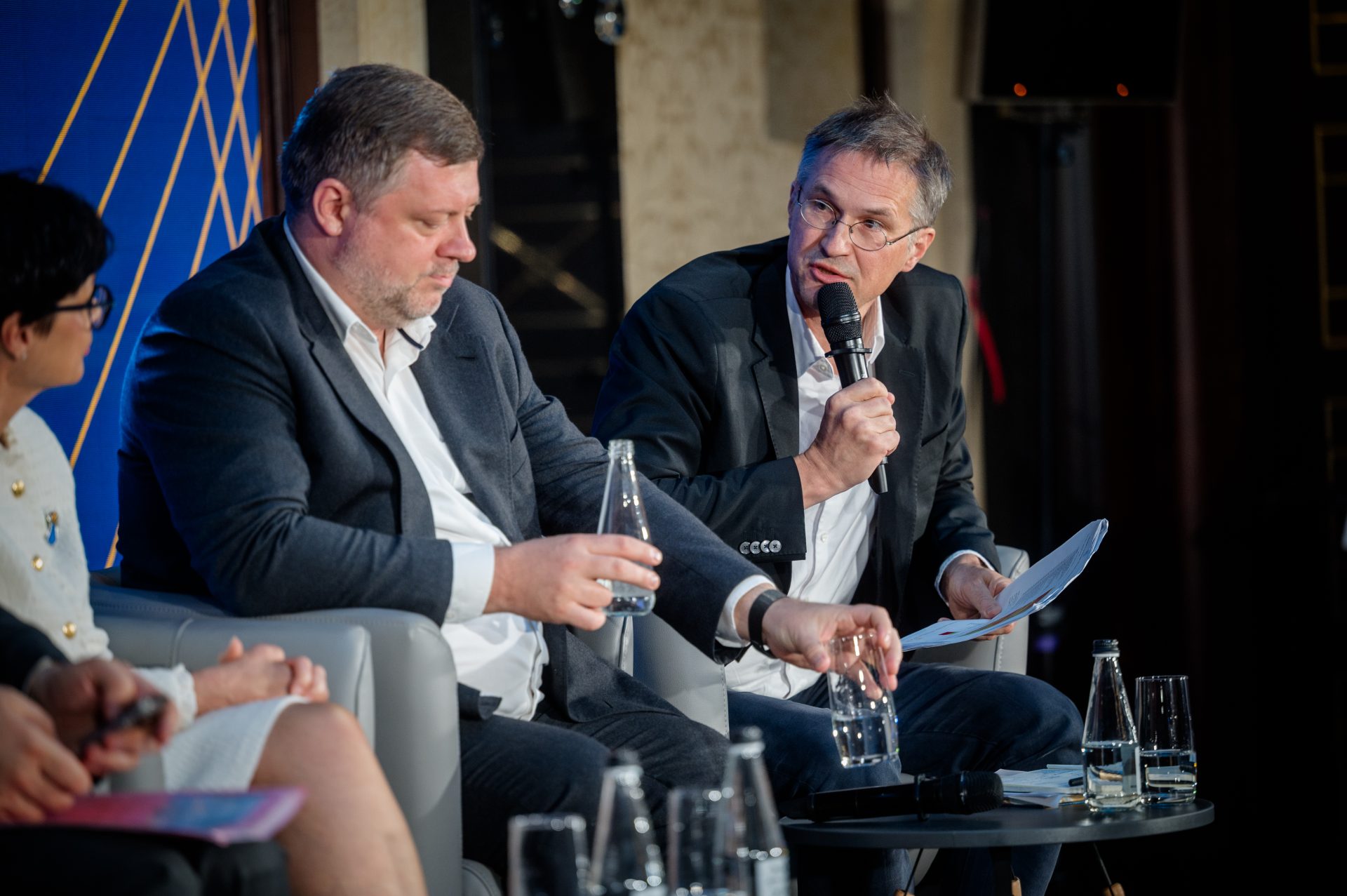
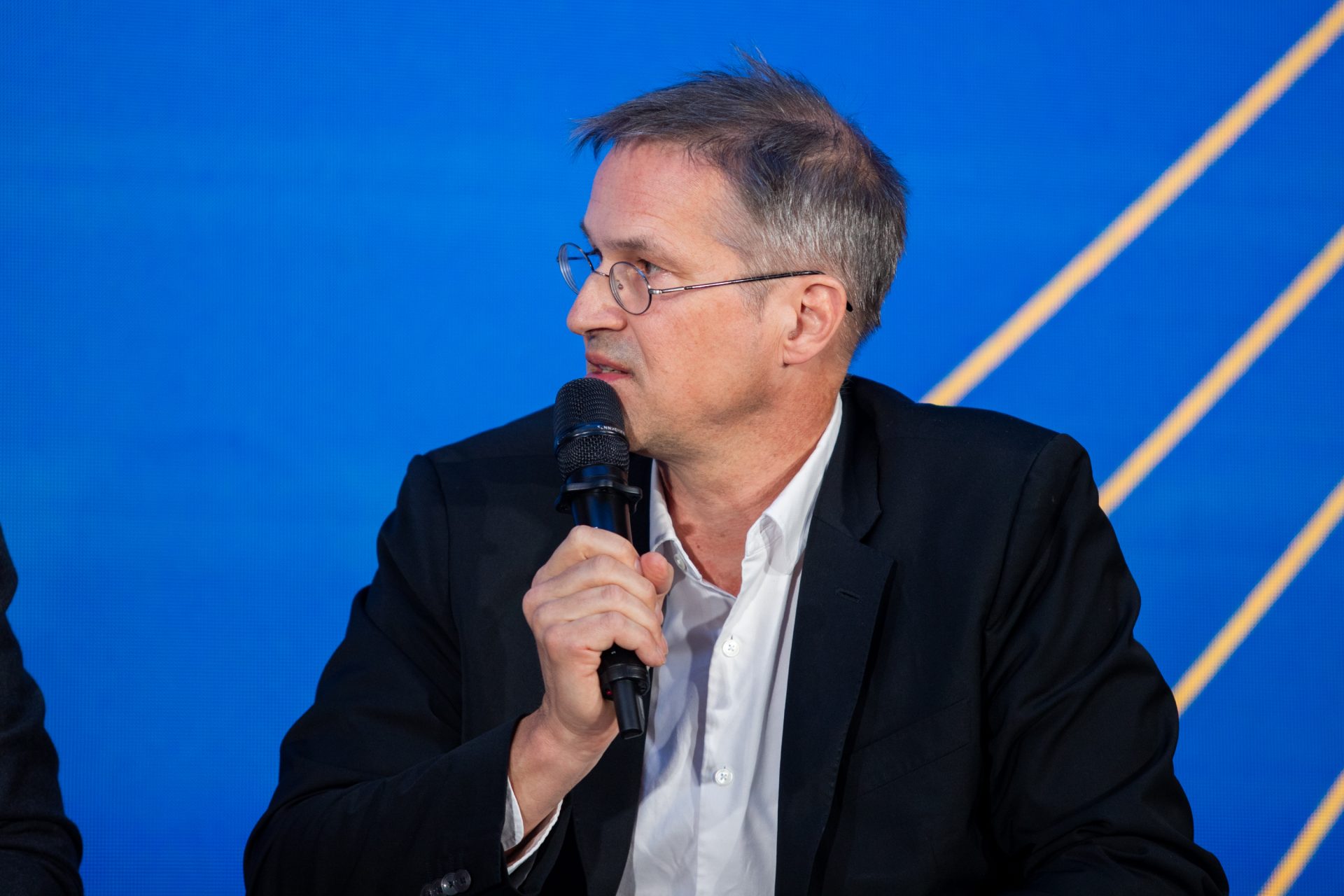
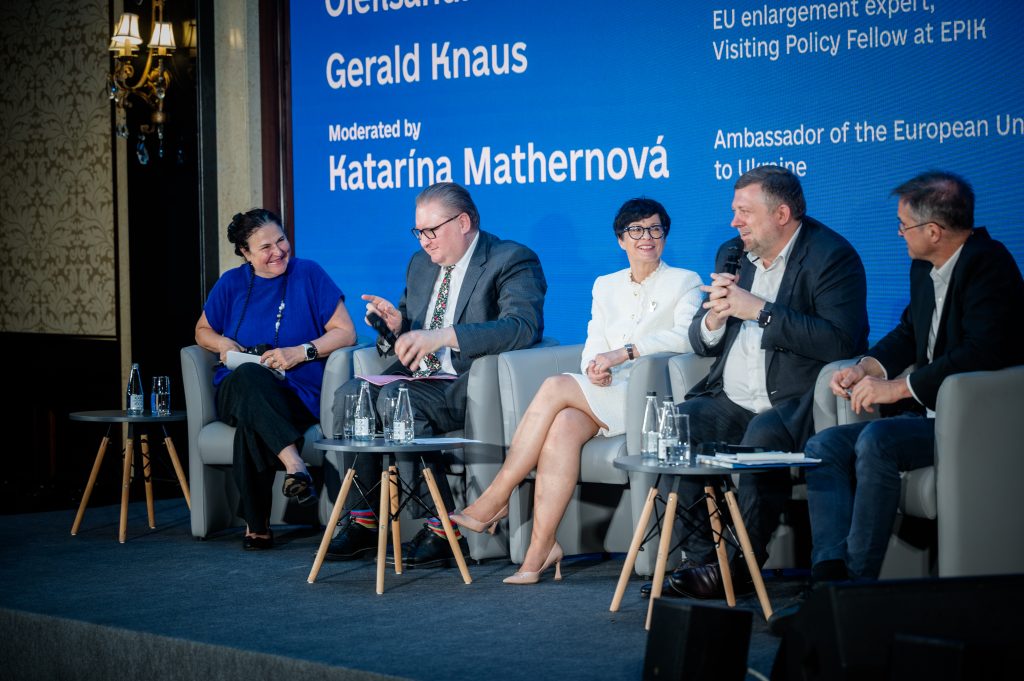
Taras Kachka, Deputy Prime Minister for European and Euro-Atlantic Integration, together with Oleksandr Korniyenko, Deputy Chairman of the Verkhovna Rada of Ukraine, and Gerald Knaus, EU enlargement expert and Visiting Policy Fellow at EPIK, joined the discussion moderated by Ambassador of the European Union to Ukraine Katarína Mathernová.

As the European Union prepares to open Cluster 1 on Fundamentals with Ukraine, Ukraine’s European integration is entering a new phase – one defined not by aspirations, but by implementation and delivery.

Opening remarks
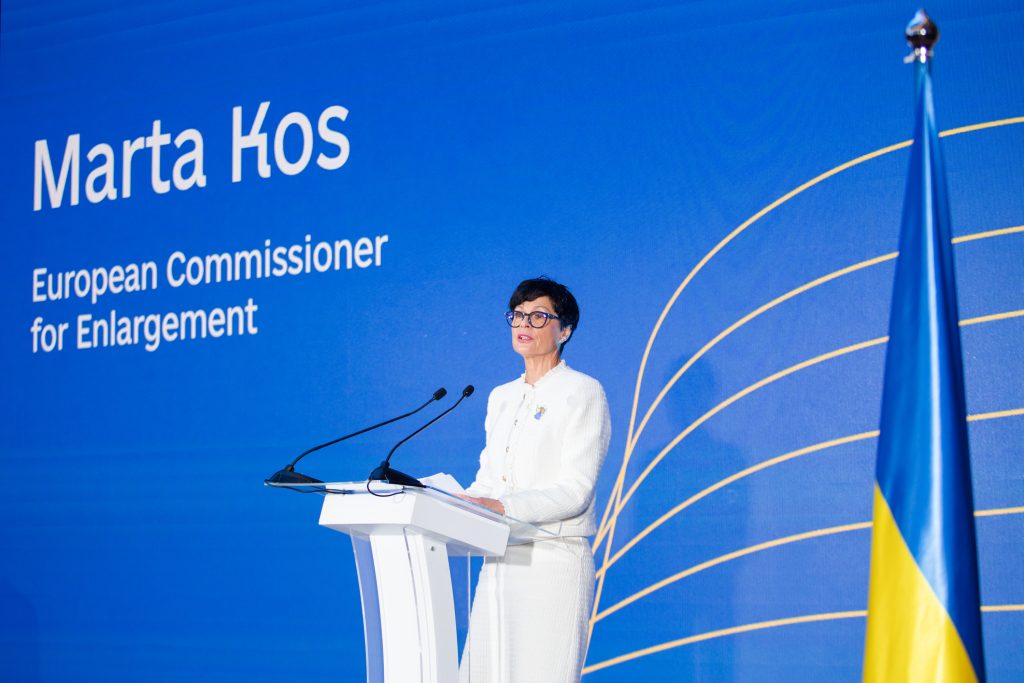
I'm very happy that we are about to take the biggest step with the opening of Cluster 1 in mid-June. This achievement belongs to everybody. It belongs to the government, it belongs to Parliament, but above all, it belongs to local communities, civil society, and ultimately, the Ukrainian people. European integration is a project of the whole nation. And because it is a national project, the next stage of accession requires a national effort. Enlargement is not about setting dates, but about reforms. The coming months will be decisive, and Ukraine needs to deliver reforms consistently. It might not be easy, but one thing is clear: Ukraine belongs to Europe, and a united Ukraine will receive support. Marta Kos, European Commissioner for Enlargement
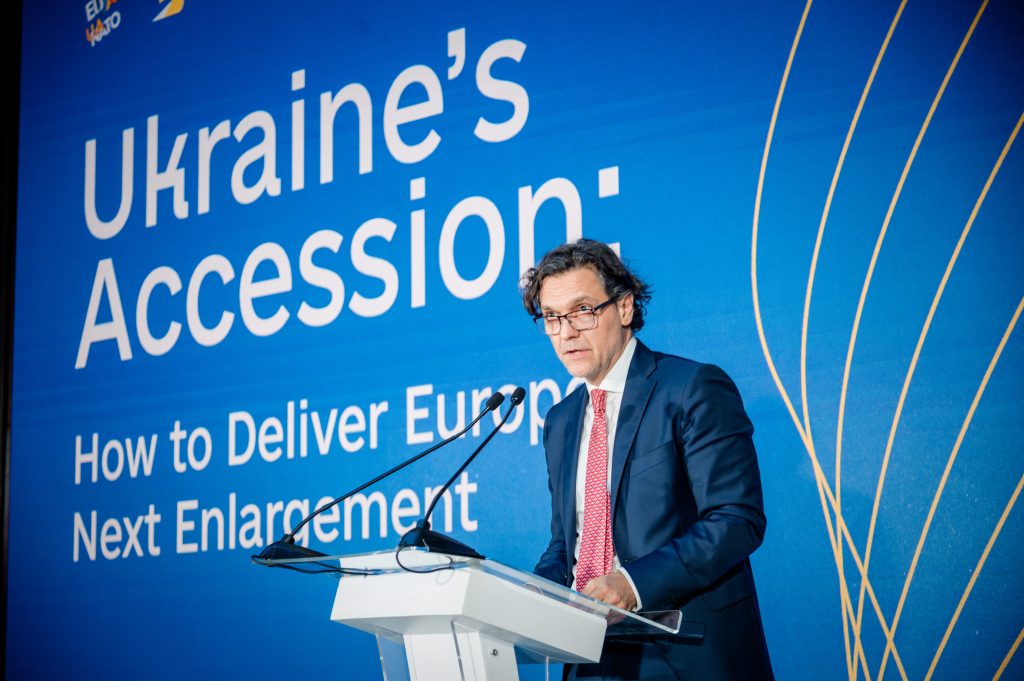
Ukraine has repeatedly shown that it can surprise Europe through the resilience of its society, the determination of its institutions, and adaptability under extraordinary pressure. I am convinced Ukraine can surprise us once again: by delivering reforms, and by proving that accession is not only a strategic choice, but a practical route to prosperity, security and full membership in the European Union. Matteo Mecacci, Director of European Policy Institute in Kyiv (EPIK)

Panel discussion

Few – if any – countries have pursued EU membership under circumstances as extraordinary as Ukraine’s. While defending itself against Russia’s aggression, Ukraine has continued to advance reforms, strengthen institutions and move forward on its European path. 

At the same time, Ukraine’s accession is reshaping the conversation about enlargement itself, returning it to the centre of Europe’s political agenda as a strategic investment in a stronger, more secure and resilient continent.

Against this backdrop, the discussion focused on three questions:

  • What must be delivered in the months ahead to sustain momentum?
  • What political and institutional choices will determine success?
  • And how can Ukraine’s accession help shape the future of Europe in the decade to come?
"The next six months will be critically important for the EU enlargement process. Our priority remains opening all negotiating clusters. Thanks to the frontloading approach, Ukraine has already completed a significant share of the preparatory work, so it is now important to finalise this stage and move to full-scale negotiations. At the same time, continued reforms remain equally important. The rule of law is the foundation of the EU accession process, as it lies at the heart of the European Union itself. Many reforms are already at an advanced stage of implementation, so it is now important to properly assess the progress achieved. This is precisely why tools such as the EU Enlargement Package and the Interim Benchmark Assessment Report (IBAR) are so valuable — they will allow us to evaluate Ukraine's readiness for the next stages of the accession process." Taras Kachka, Deputy Prime Minister for European and Euro-Atlantic Integration
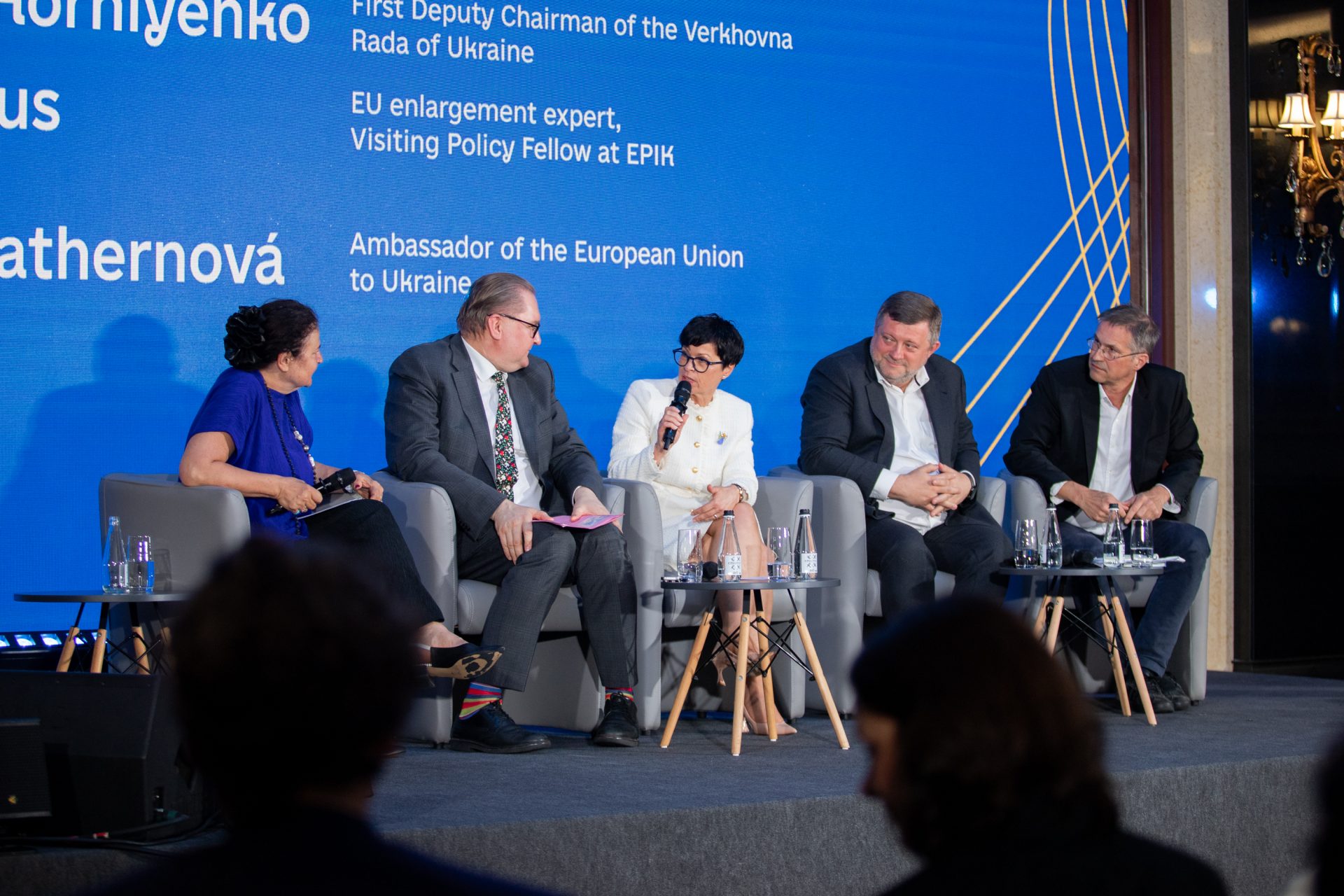
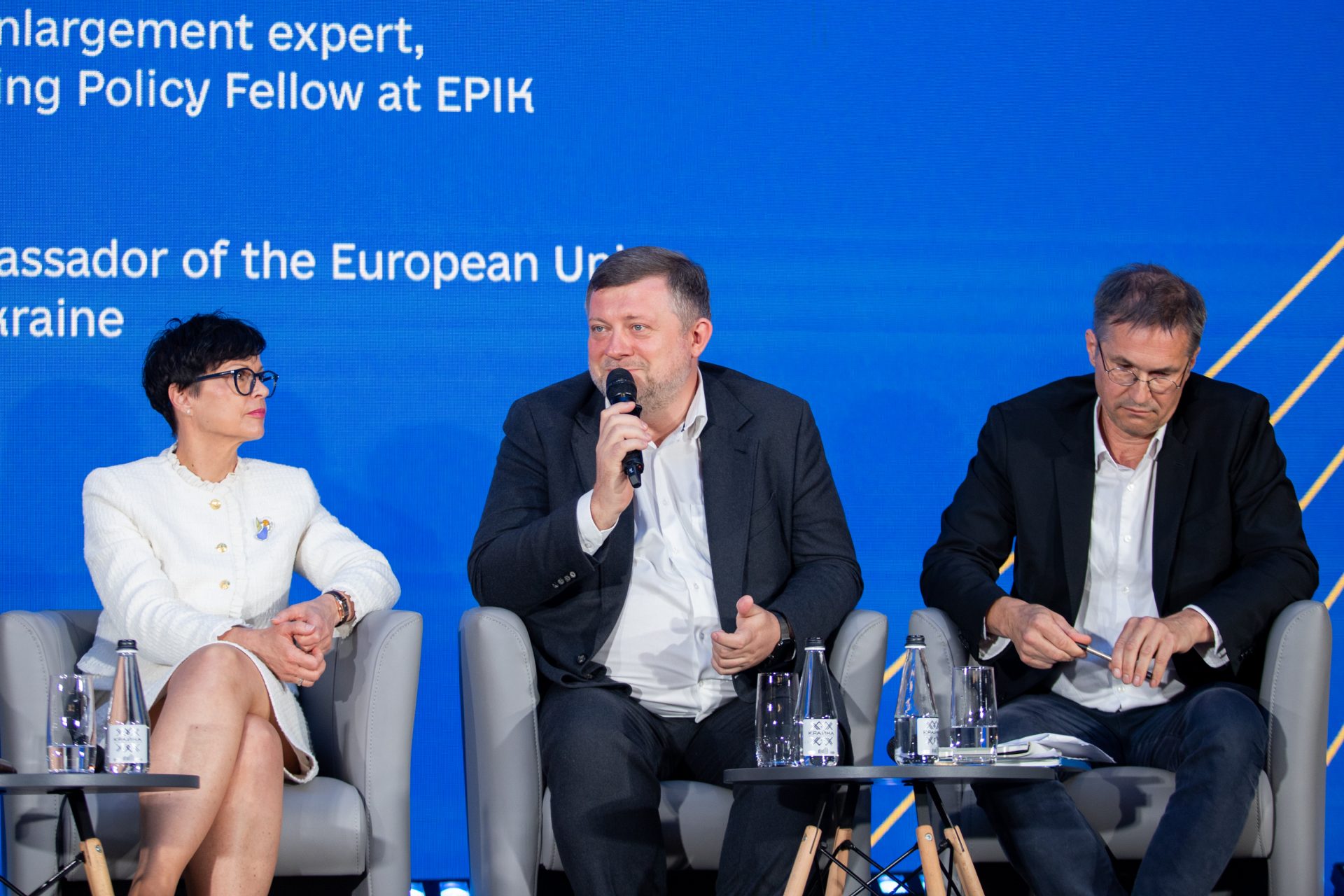
For the Verkhovna Rada, one of the key tasks in the coming months is adapting internal procedures to the unprecedented volume of legislation related to EU accession. At the same time, it is essential to have a clear understanding of the timeline for the accession process. Our society needs a coherent vision of the next steps and membership prospects, — as this will help sustain public support for reforms and confidence in the irreversibility of Ukraine's European course. Oleksandr Korniyenko, First Deputy Speaker of the Verkhovna Rada of Ukraine
The image of Ukraine in Europe has changed tremendously since 2022. Now Ukraine is contributing as much to European security as Europeans are contributing to Ukraine with their budget support also for the military spending in Ukraine. It's a mutual dependency that has changed dramatically. Gerald Knaus, EU enlargement expert and Visiting Policy Fellow at EPIK
Print PDF

The European Policy Institute in Kyiv kicks off

Based in Kyiv, the institute will bring together European and Ukrainian policy experts to work on the most acute issues facing Ukraine and Europe today.

YT Thumbnail
Text size:

The European Policy Institute in Kyiv (EPIK) was officially launched on 31 March at an inaugural ceremony and panel discussion.  

EPIK will provide policy-makers with rigorous analysis, strategic insight, and forward-leaning policy ideas on Ukraine’s EU integration and European security. EPIK will be an independent platform for analysts and researchers from Europe and beyond to come to Ukraine and get first-hand knowledge of the country, deepen expertise on Eastern Europe and bring Ukrainian perspectives into pan-European policy debates.

EPIK’s analysis spans the following areas: European security and defence, Ukraine’s EU accession and related reforms, geopolitics in the European context, post-war reconstruction, and economic development.

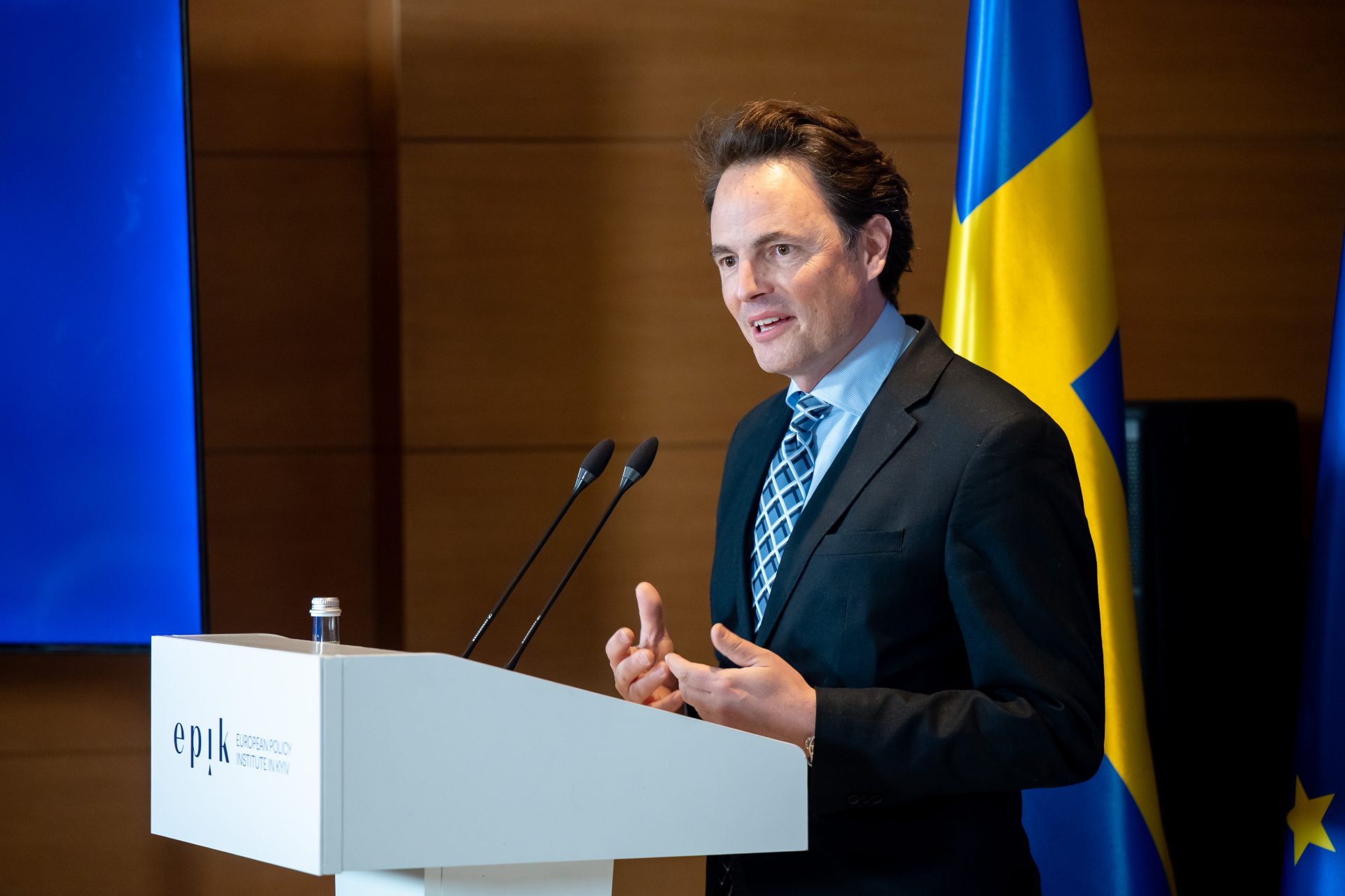
Europe has a great deal to learn from Ukraine – be it modern warfare, resilience, civic engagement – Ukraine is an example for us all. EPIK should be a platform where European experts can listen and learn from their Ukrainian counterparts. Fredrik Wesslau, Director of EPIK

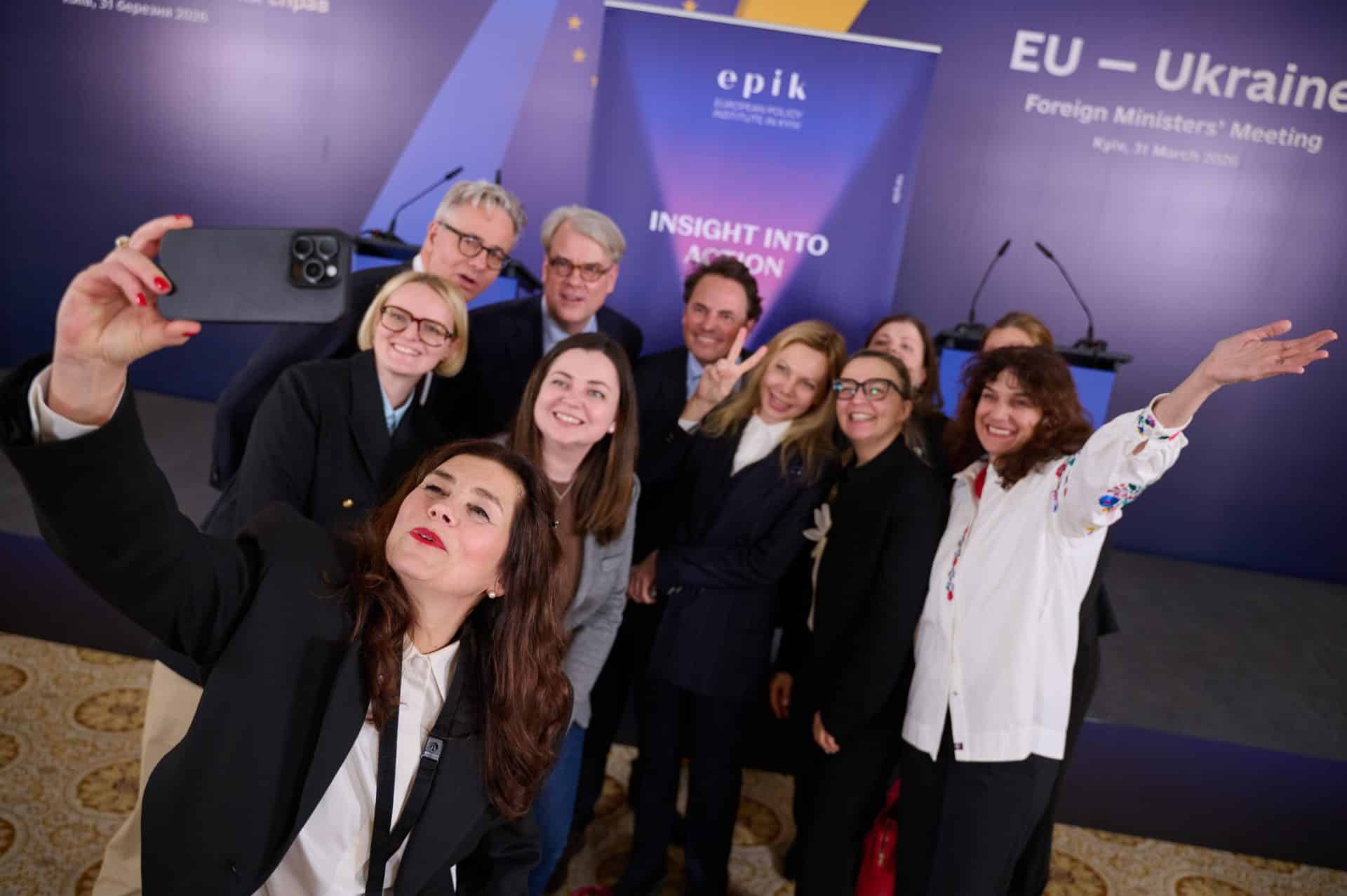
The inaugural event brought together decision-makers, diplomats, experts, civil society representatives and journalists to discuss Ukraine’s path to EU membership at the intersection of war, reform, and geopolitics.

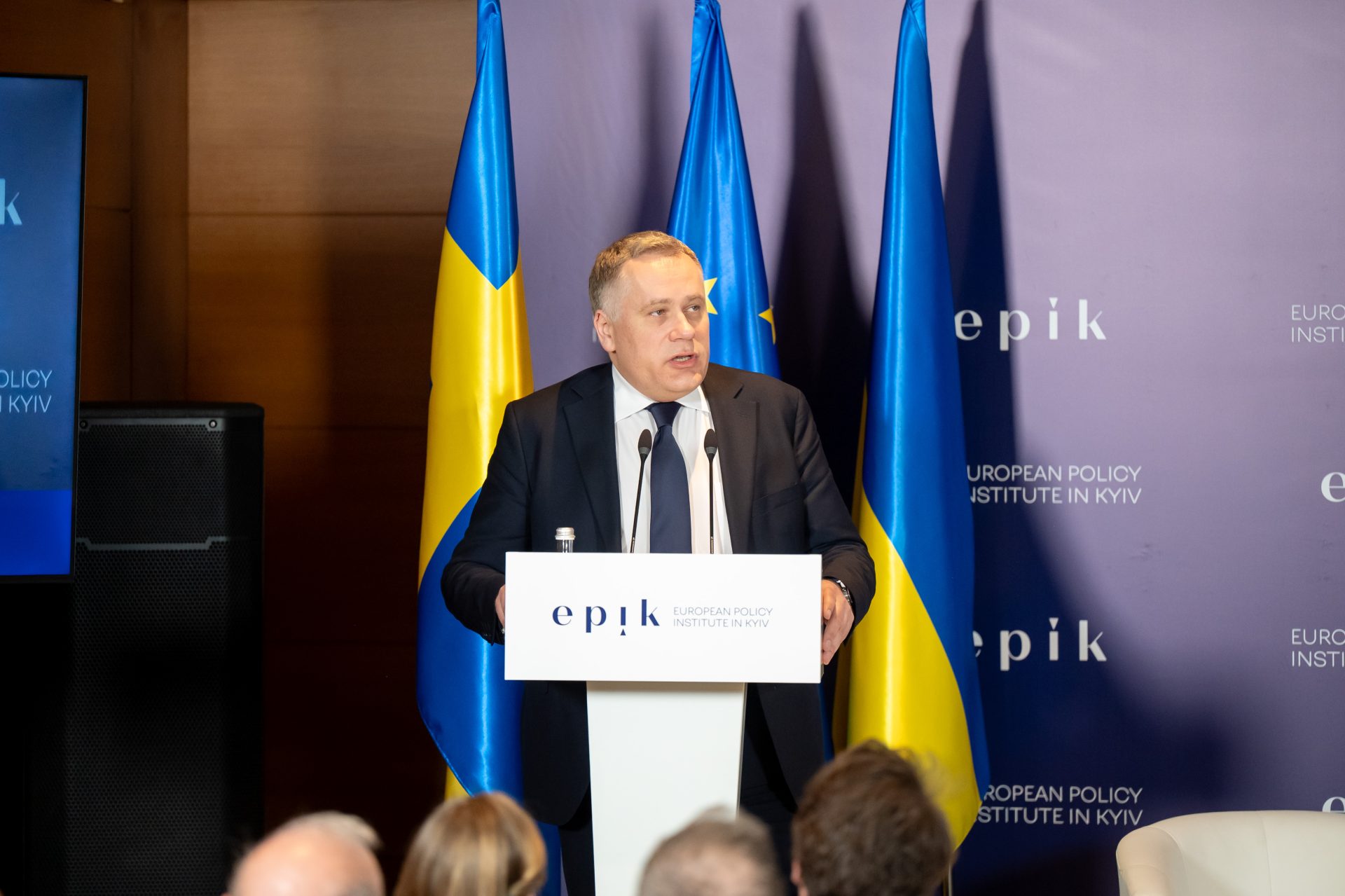
Now more than ever, it is clear that Ukraine’s EU accession is not only about Ukraine’s future. It is a defining test of Europe’s ability to ensure its own security. Ukraine is the only country in Europe with real-world experience of defending its territory while advancing reforms. Conventional approaches do not work in wartime – we must constantly search for new ideas. Bringing European and Ukrainian minds together is the best way to generate the bold, innovative solutions this moment demands. Ihor Zhovkva, Deputy Head of the Presidential Office of Ukraine

The panel discussion

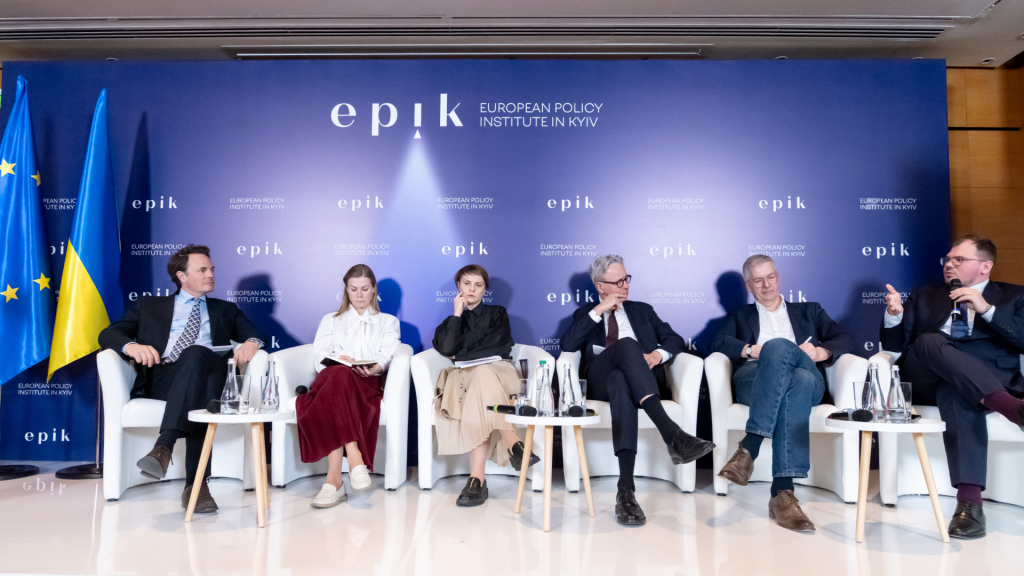
The panel discussion “Europe Reordered: Ukraine’s EU Path and the New Security Order” explored how Ukraine’s EU accession is reshaping not only its own future but also the future of Europe as a whole.

Moderated by Fredrik Wesslau, Director of EPIK, the discussion featured:

  • Stefan Schleuning, Head of Cooperation at the EU Delegation to Ukraine
  • Jakob Hallgren, Director of the Swedish Institute of International Affairs
  • Lesia Ogryzko, Co-founder and Director of the Sahaidachnyi Security Center
  • Nataliya Gumenyuk, journalist, CEO of the Public Interest Journalism Lab
  • Ivan Nagornyak, EPIK Policy Fellow, Adviser to the Deputy Prime Minister on European and Euro-Atlantic Integration of Ukraine
An inaugural ceremony

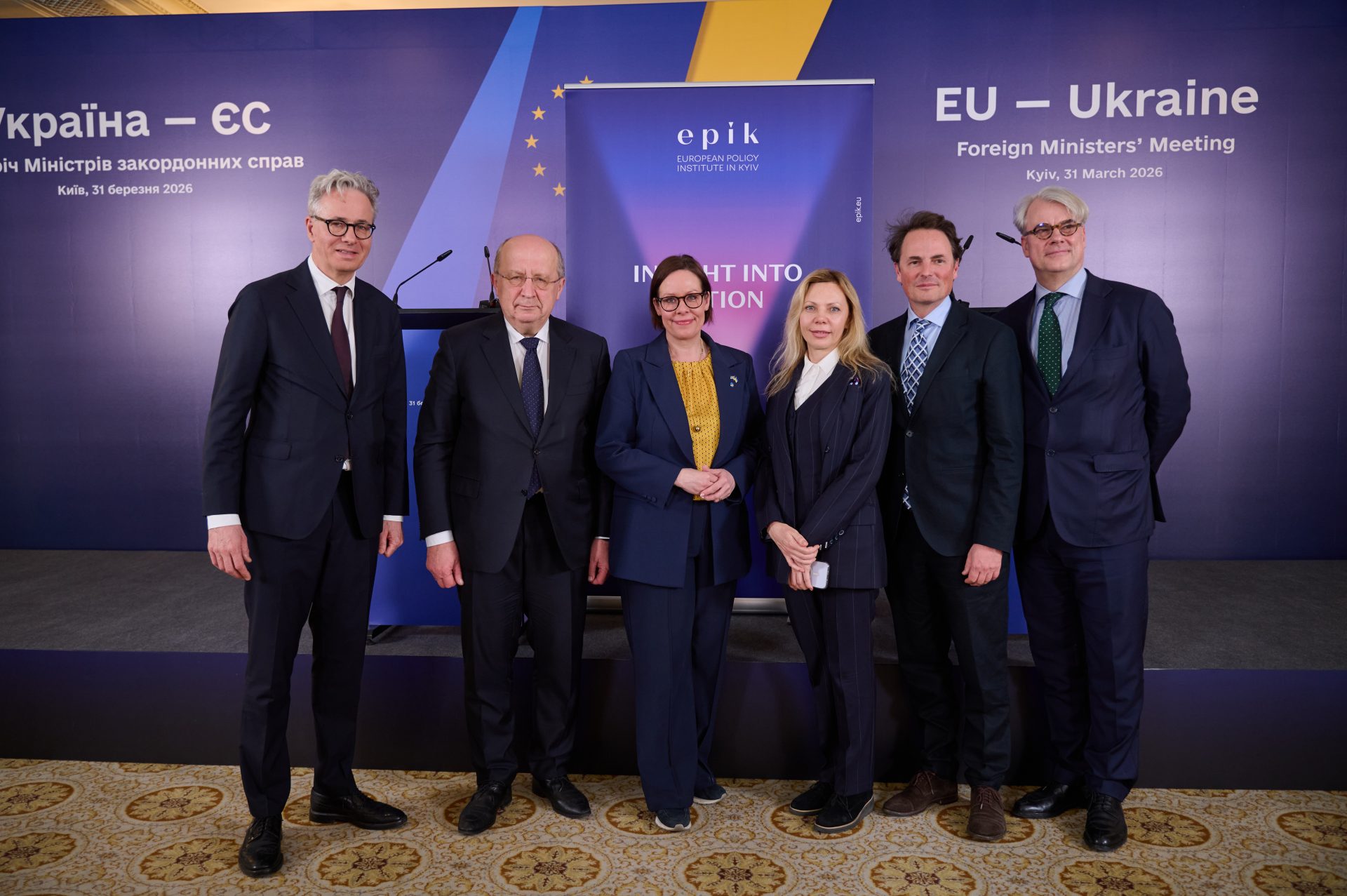
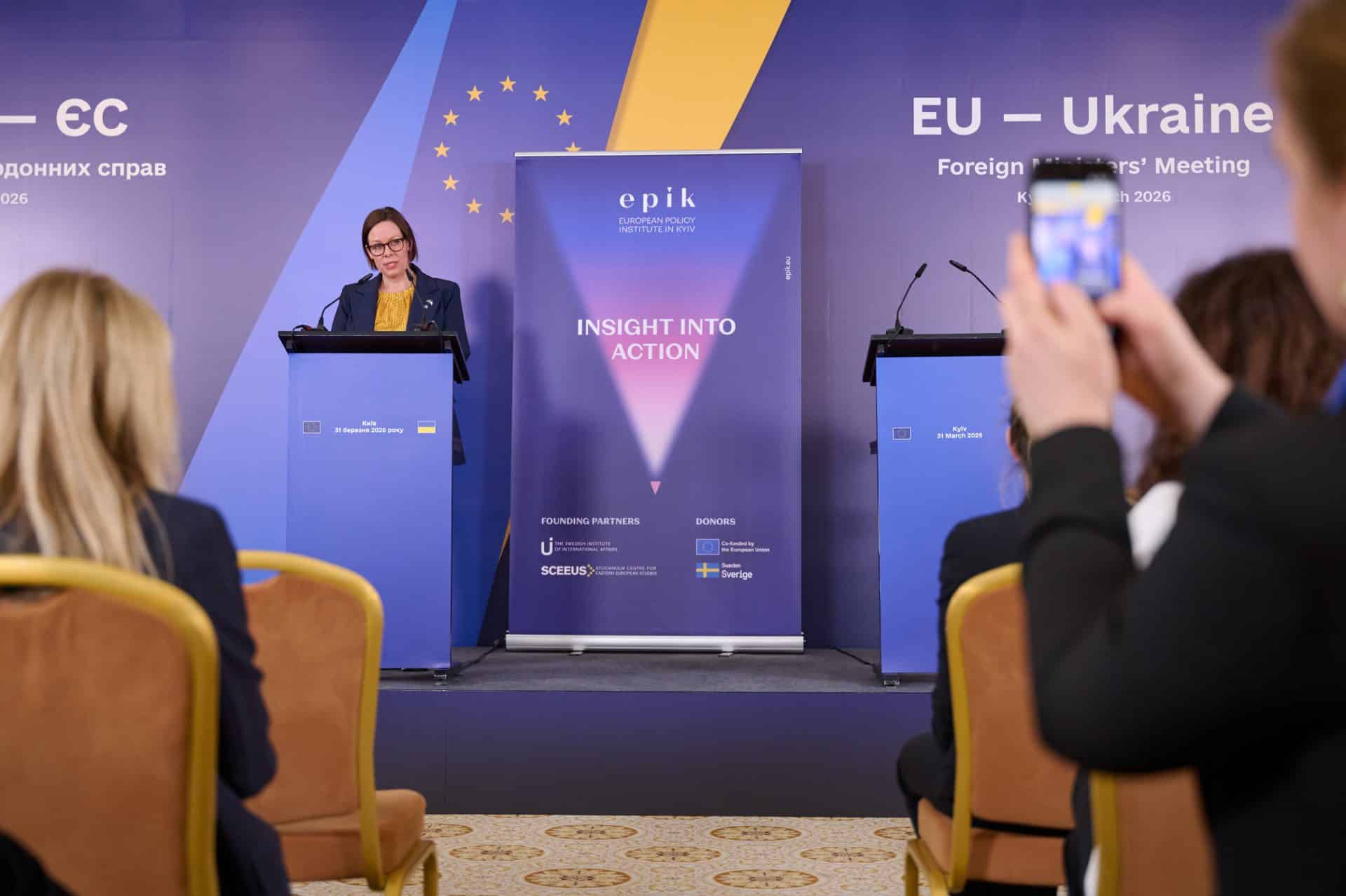
Following a ministerial meeting with EU foreign ministers in Kyiv, the Foreign Minister of Sweden Maria Malmer Stenergard and European Commissioner for Defence and Space Andrius Kubilius participated in a ceremony to mark the launch of the European Policy Institute in Kyiv (EPIK).

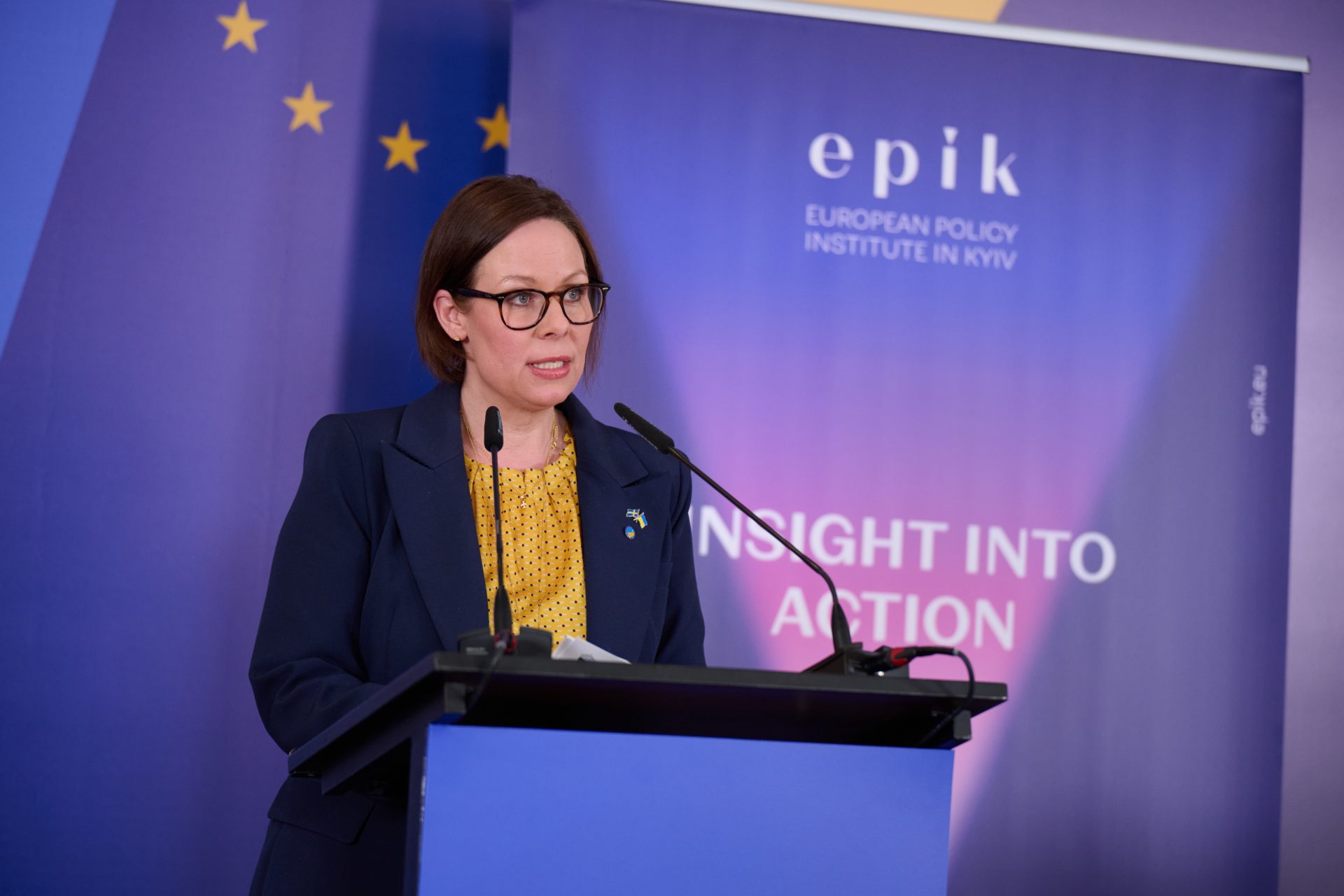
Ukraine is already contributing to European security, stability, and our shared future while continuing to defend itself against brutal Russian aggression. I’m proud that, with EPIK’s launch, Sweden will also support the exchange of bold and creative ideas between leading Ukrainian and European minds. Maria Malmer Stenergard, Foreign Minister of Sweden
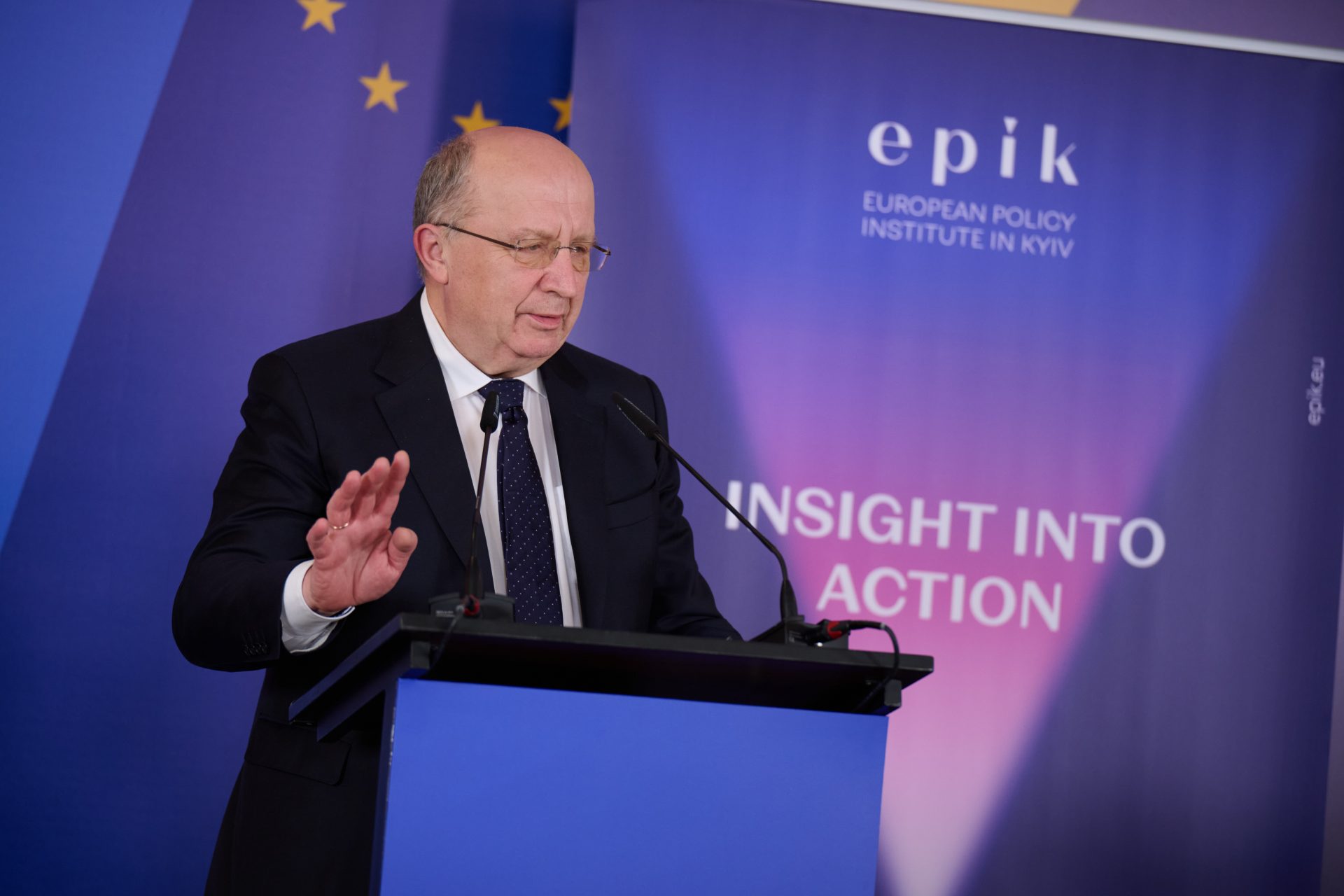
Ukraine is a master of drones. A master of missile and air defence. A master of defence innovation. This excellence is recognized by the world. Ukraine has learned these lessons by paying a very high price on the battlefield. So we have a duty to learn from Ukraine. And now, thanks to EPIK, Ukraine will also become a master in thinking about European security, defence and foreign policy. Andrius Kubilius, European Commissioner for Defence and Space

Founding partners and donors

Established by the Swedish Institute of International Affairs (UI) through Stockholm Centre for Eastern European Studies (SCEEUS), EPIK operates as an independent European think tank. The European Policy Institute in Kyiv (EPIK) is co-funded by the European Union and the Swedish International Development Cooperation Agency (Sida). 

Print PDF

Success message background

Thank you!

You will now receive EPIK’s latest analysis, publications, event invitations, and other updates directly in your inbox.

Success message background

Thank you!

You will now receive EPIK’s latest analysis, publications, event invitations, and other updates directly in your inbox.

Go Home Page Button
Success message background

Thank you!

The form has been successfully submitted. We value your time, so please expect a call or email from our manager shortly.

Go Home Page Button
Success message background

Thank you!

You will now receive EPIK’s latest analysis, publications, event invitations, and other updates directly in your inbox.

Success message background

Thanks you!

We have received your application and we will be reviewing it shortly.

Go Home Page Button
Success message background

Thank you for subscribing

You will now receive EPIK’s latest analysis, publications, and event updates directly in your email.

Go Home Page Button